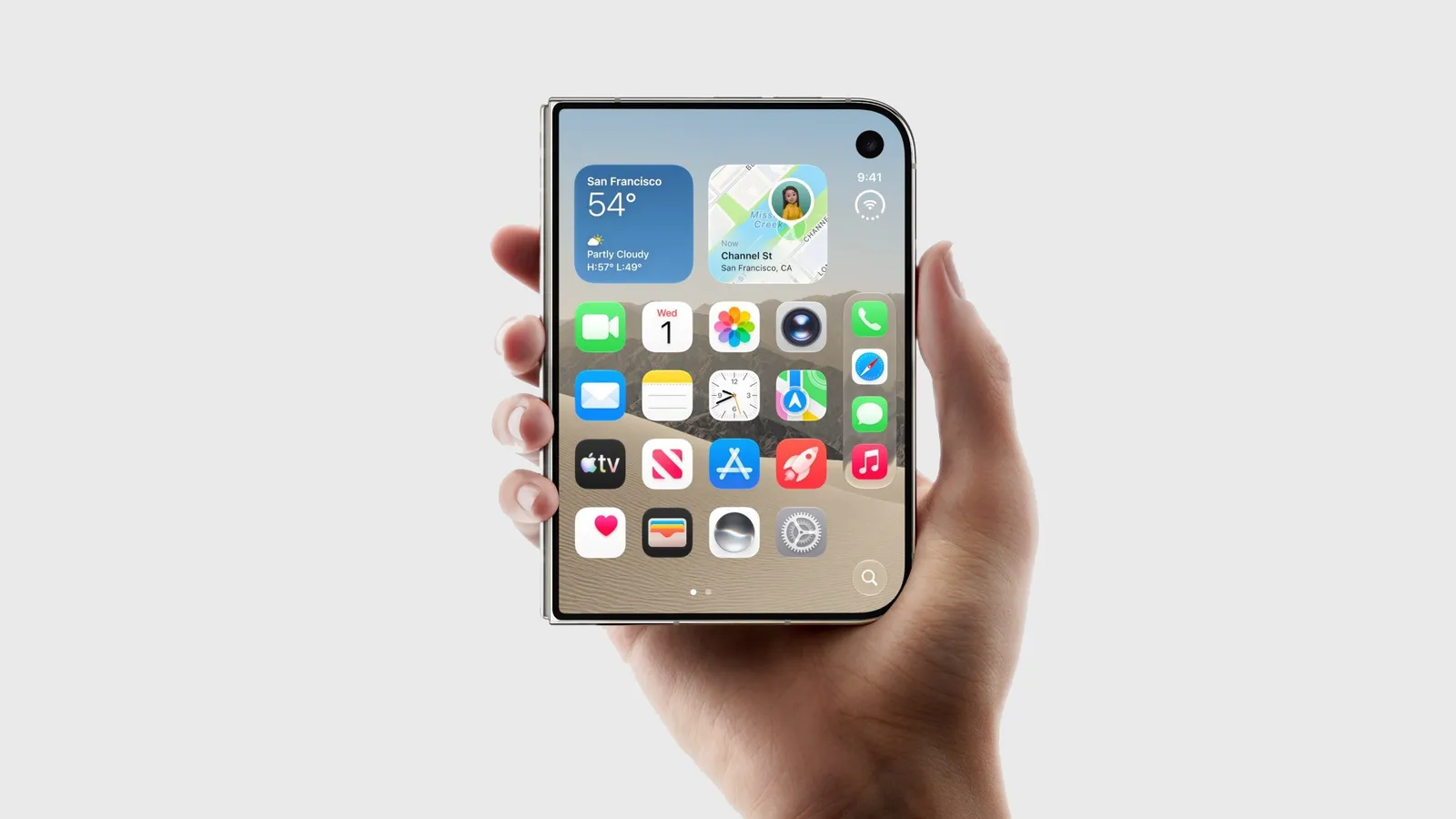
iPhone Duo fails durability test as dust jams its hinge shut
JerryRigEverything's iPhone Duo test showed dust entering the hinge on 24 October 2026, blocking the $1,999 foldable from closing and leaving its inner screen unresponsive after one bend.
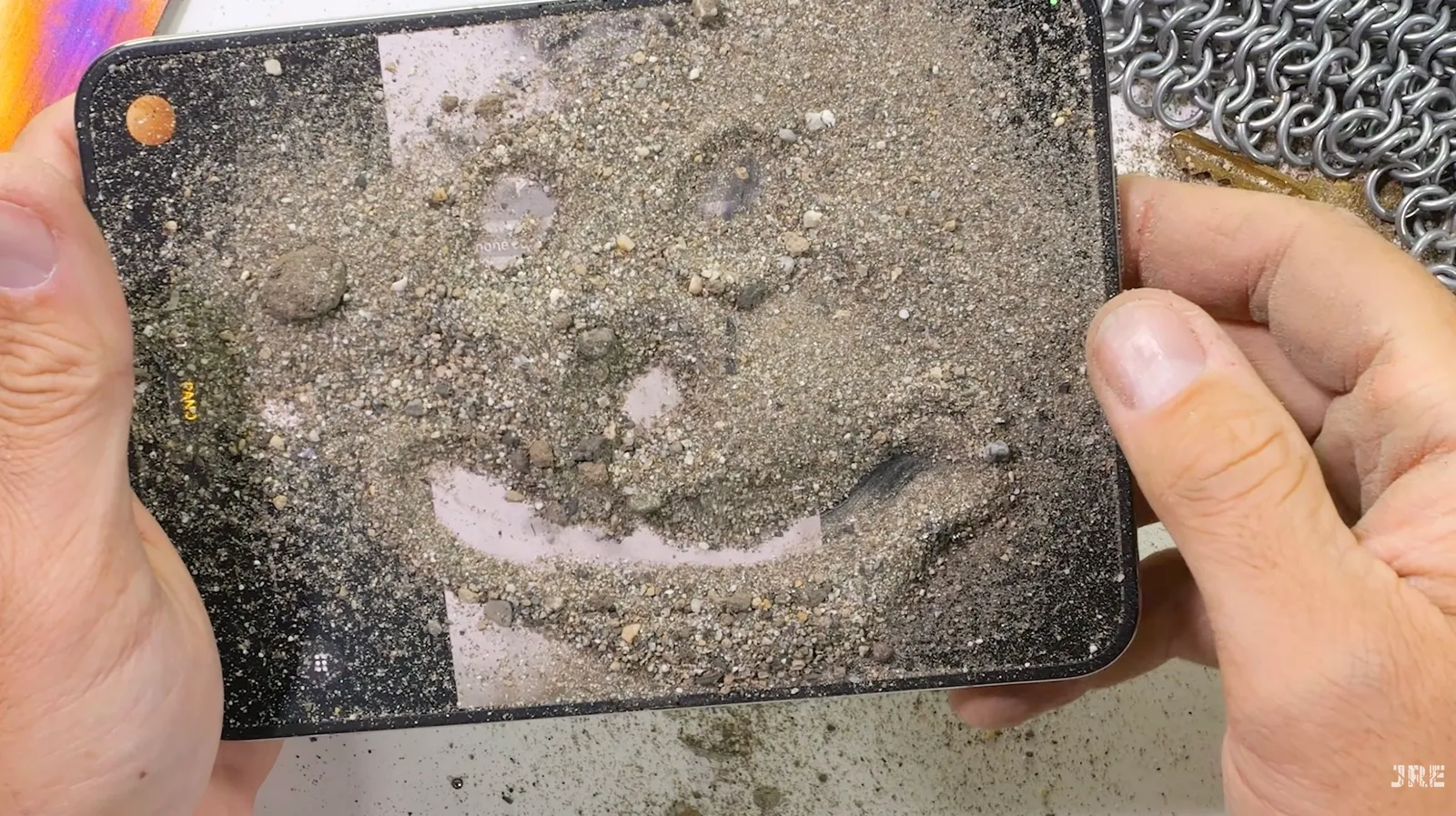 Photo: MacRumors
Key points
The iPhone Duo failed JerryRigEverything's durability test after dust jammed the hinge shut and one bend left the inner screen unresponsive.
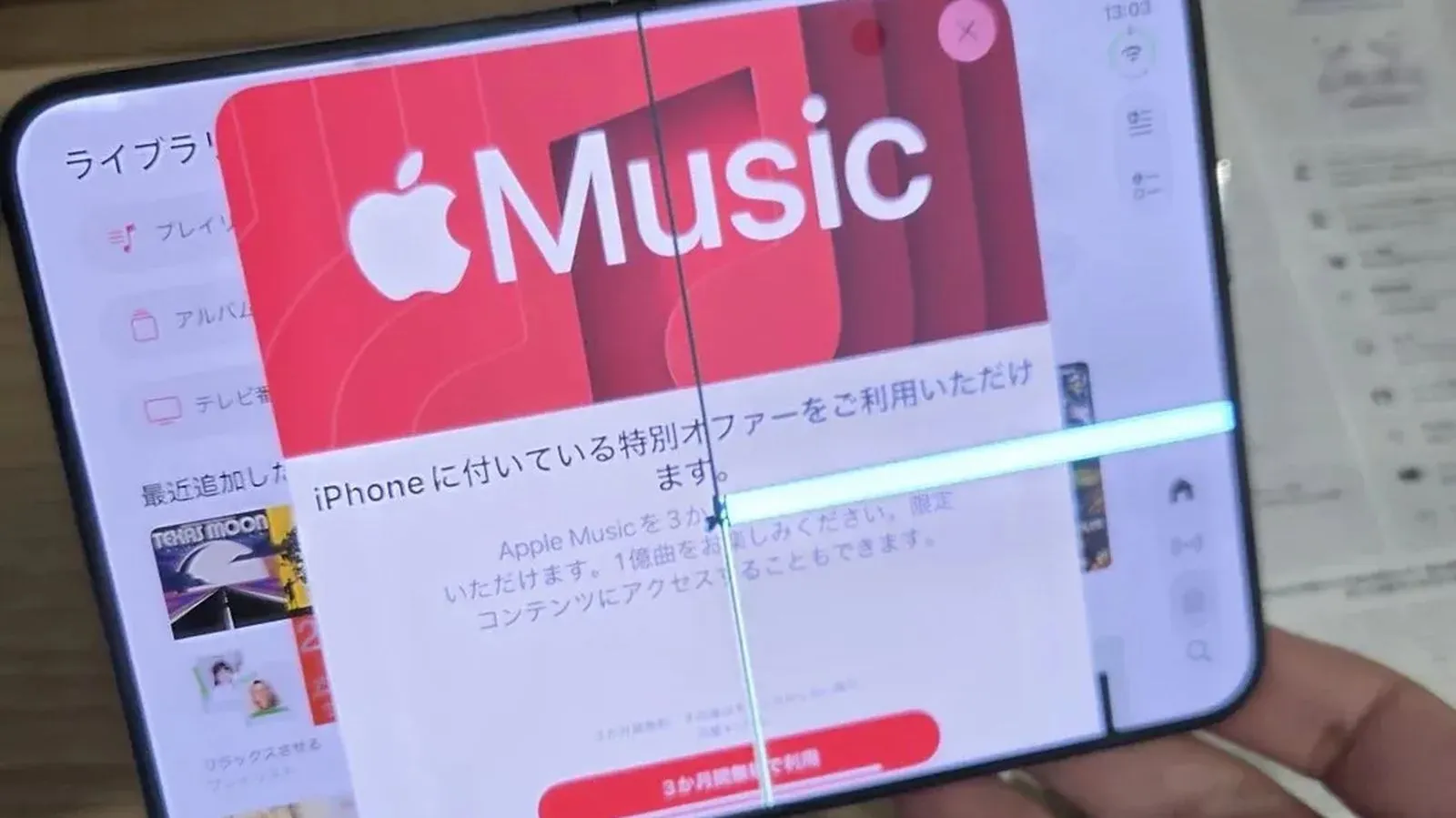
Apple's iPhone Duo failed JerryRigEverything's durability test after dust entered the hinge at several points, jamming it so the magnets could no longer pull the $1,999 foldable shut. A single bend then left a permanent green line across the inner display, and the screen stopped responding to touch. The test, by tech reviewer Zach Nelson, was published on 24 October 2026, a day after the phone went on sale.
The failure matters because Apple rates the iPhone Duo IP68, a dust-and-water resistance rating, for up to 6 metres and 30 minutes in lab testing. That rating did not stop dirt from reaching the hinge. The test is the first public durability check of Apple's first foldable iPhone, and it shows the moving hinge, not the screens, is the weak point in dusty conditions.
How dust disabled the hinge
Dust did not enter through the screen or around the frame. It got in at a few points around the hinge, which Apple builds from more than 100 components, and enough collected inside the titanium hinge that the magnets could no longer pull the phone shut. A second set of magnets on the back, used for wireless charging, picked up dust as well. Apple notes that IP68 resistance is not permanent and can drop with normal wear.
Nelson covered the phone in sand, dust and dirt, and the hinge gave out. Notebookcheck reported that after an intensive bath in sand, dirt and soil, the phone would no longer close completely, and the built-in magnets would not help. Notebookcheck wrote that such extensive exposure to dirt is probably not an everyday occurrence, but that the hinge can be a weak point in everyday use, for example at the beach.
The bend test showed more flex than expected, and the body stayed in one piece, but the inner screen picked up a permanent green line running from the centre of the display out to the titanium frame. A second bend brought the total to three lines. After that the whole inner screen stopped responding to touch, and the hinge still would not close because of the dust.
What the bend test broke
The iPhone Duo does not snap when bent against the folding direction, but the AMOLED panel — the flexible screen technology used in foldables — can sustain permanent damage needing expensive repairs. Replacing the inner display costs $999 without AppleCare+ and $99 with it; Notebookcheck put the repair at US$1,000.
The outer display uses Ceramic Shield 2 and showed only faint marks at level 7 on the Mohs scale, a hardness test where higher numbers mean deeper scratches. The inner screen scratched at level 2, the same as other folding phones, which is where plastic starts to mark. Apple covers the inner display with a nano-textured cover layer of custom polymer; the matte finish hides scratches while the screen is on, but marks show once it turns off and isopropyl alcohol does not wipe them off.
Scratch results differ by screen
In the burn test, the outer display lasted more than 20 seconds before damage against about 10 seconds for the inner panel. Nelson handled medieval chainmail, dirt and pebbles without major damage, which CNET partly credited to the matte finish hiding imperfections. On a second iPhone Duo, Nelson peeled the cover layer off; colours looked brighter underneath but glare returned, so he does not recommend it. Apple replaces the cover layer for $49, or $19 with AppleCare+.
Nelson, who has tested folding phones since the first generation seven years ago, said most do survive, but the iPhone Duo did not. CNET's senior technology reporter Abrar Al-Heeti recommended getting a case and AppleCare, or being prepared to pay a lot for repairs. Owners have also posted about cracked inner screens near the hinge since launch. CNET is running a Fold-a-Phone machine that passed 20,000 open-and-close cycles. The next test result to watch is CNET's Fold-a-Phone machine, which is counting how many times the iPhone Duo can open and close and comparing that with the Galaxy Z Fold 8; the Duo has already passed 20,000 cycles.
Frequently asked questions
Why did the iPhone Duo hinge fail the durability test?
Dust entered the hinge at several points rather than through the screen or frame, and enough collected inside the titanium hinge that the magnets could no longer pull the phone shut. Apple builds the hinge from more than 100 components.
How much does it cost to replace the iPhone Duo inner screen?
Replacing the inner display costs $999 without AppleCare+ and $99 with it. Replacing the cover layer costs $49, or $19 with AppleCare+.
What scratch results did the iPhone Duo screens get?
The outer display, using Ceramic Shield 2, showed faint marks at level 7 on the Mohs scale. The inner screen scratched at level 2, the same as other folding phones, where plastic starts to mark.