ASEAN and China fail to conclude South China Sea code, 80% draft agreed
ASEAN and China failed to conclude a South China Sea code of conduct in Manila, agreeing on 80% of the draft but leaving legal force unresolved.
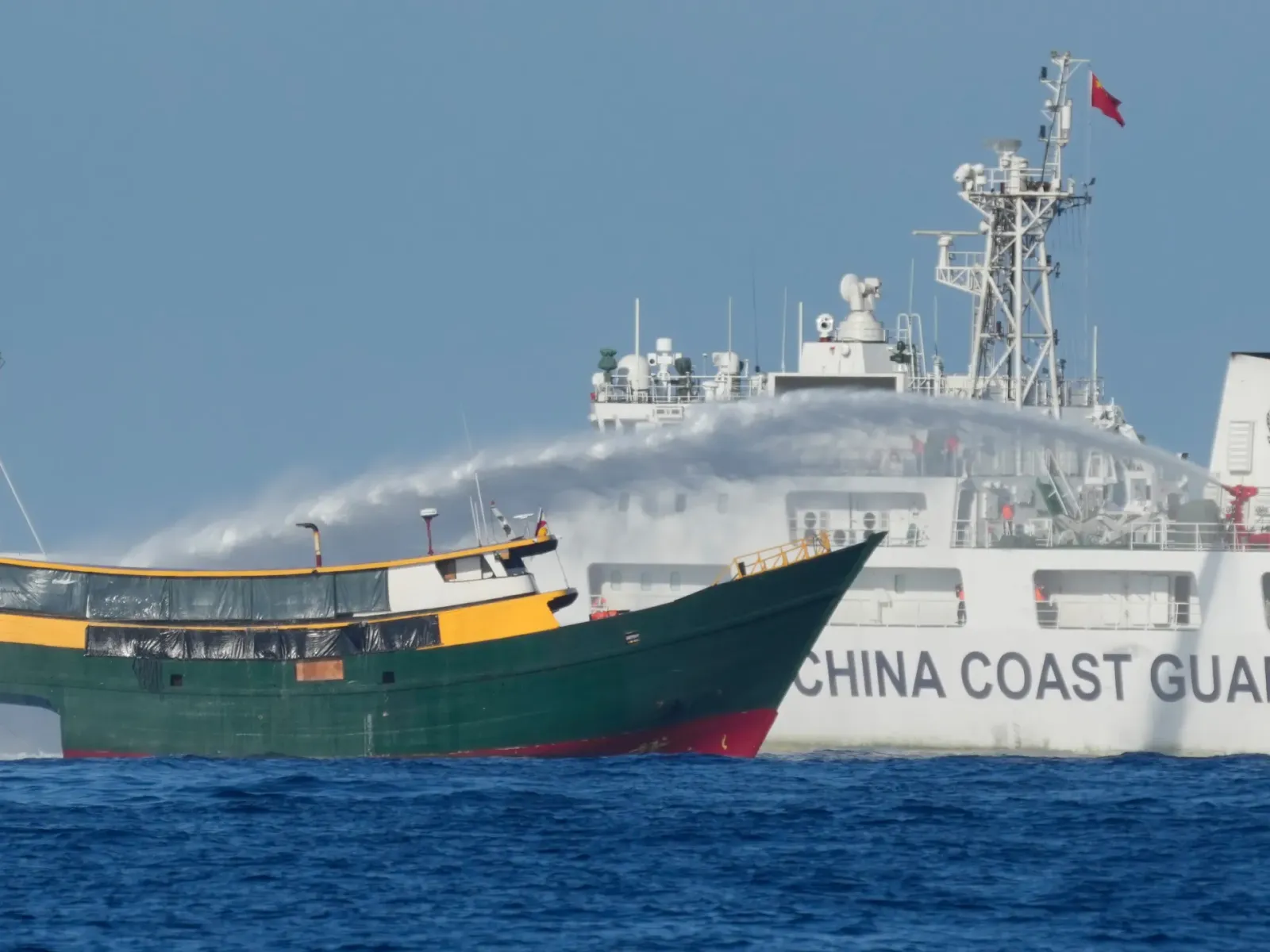 Photo: Al Jazeera
Key points
ASEAN and China failed to conclude a South China Sea code of conduct in Manila, agreeing on 80% of the draft but leaving legal force unresolved.
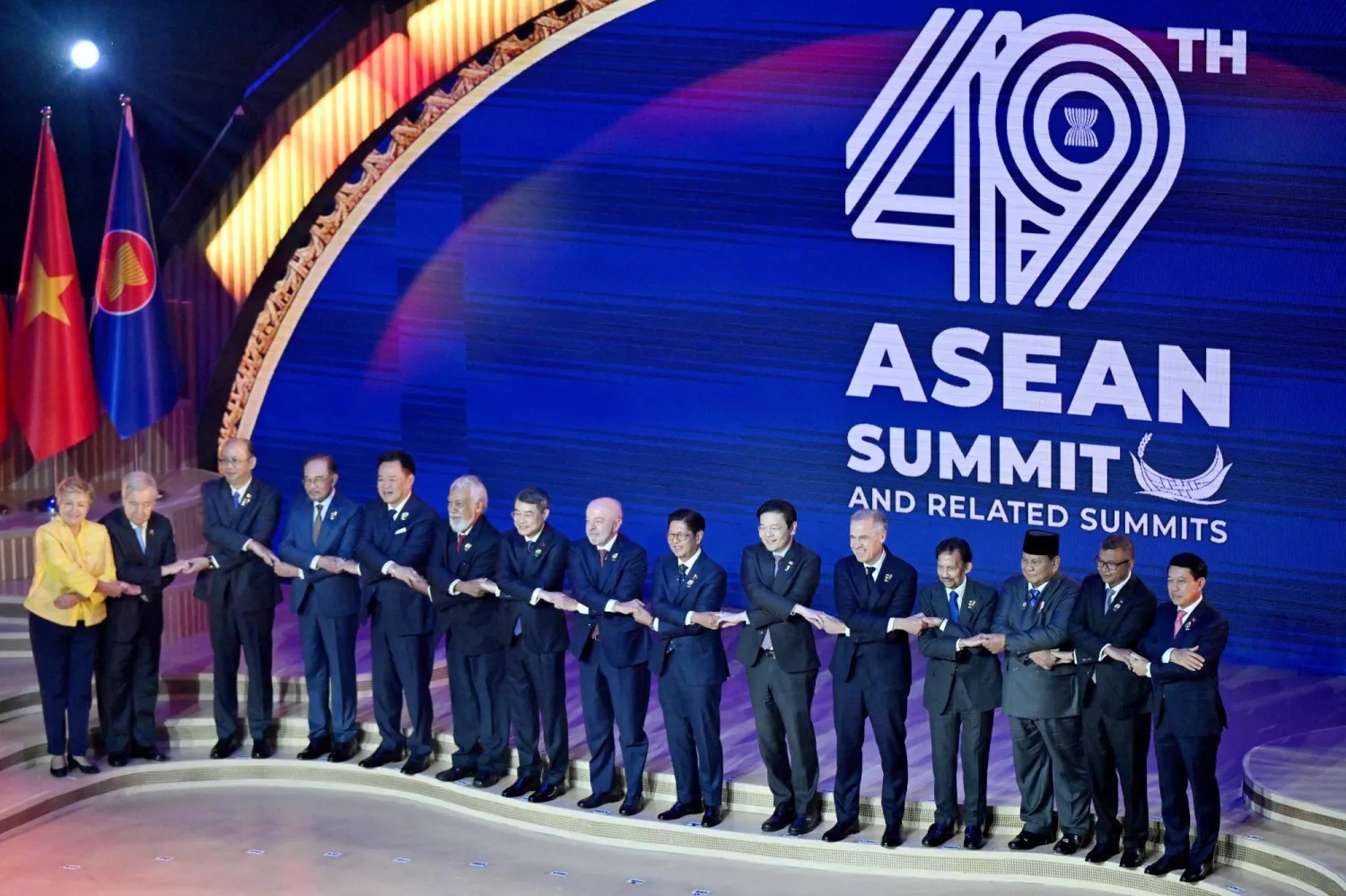
ASEAN and China failed to conclude a code of conduct for the South China Sea during meetings in Manila, despite provisional agreement on about 80 percent of the draft, Philippine Foreign Secretary Maria Theresa Lazaro said on Sunday. "There is no conclusion yet," Lazaro told reporters at the ASEAN summit, adding that several key issues remain unresolved, including whether the code would be legally binding.
The failure means the Philippines, as ASEAN chair in 2026, will not meet the deadline set by ASEAN foreign ministers in 2023 to finish the talks by the end of this year. Lazaro said she still hoped the code could be concluded under Singapore's auspices, as the city-state takes over as chair next year. "Konti na lang pag-uusapan nila sa Singapore," she said, meaning "They have few details left to talk about in Singapore."
What remains unresolved
The proposed code of conduct is a set of rules China and ASEAN members have pursued for more than two decades to prevent accidental encounters at sea and manage disputes. The Philippines, as this year's chair, had pledged to speed up the process and reach a deal by the end of the year. Lazaro said the proposed text was only at 50 percent before the country's shepherding.
The pending milestone issues are whether the code will be legally binding, its geographic scope, and how terms would be defined in the code. Lazaro said the parties affirmed that the existing 2002 Declaration on the Conduct of Parties in the South China Sea will provide the foundation for the proposed code. The code will also set out "more effective and substantive provisions" to guide conduct.
ASEAN members themselves are divided over issues including the code's geographic scope. Collin Koh, a senior fellow at the S. Rajaratnam School of International Studies at Nanyang Technological University in Singapore, said differences within ASEAN, as well as disagreements with China, are significantly slowing the talks. Koh said resolving the remaining issues will require "significant concessions" by each party.
Why the talks stalled
China has laid claim to most of the South China Sea, clashing with the exclusive economic zones of Brunei, Indonesia, Malaysia, the Philippines and Vietnam. An international arbitration tribunal ruled in 2016 that China's sweeping claims have no basis under international law, a decision Beijing rejects. Southeast Asian nations want the code to reflect international law, which some of them accuse China of ignoring.
The Philippines and China have faced off in a series of maritime confrontations in recent years. The Philippines accuses Chinese ships of repeated aggressive actions inside its exclusive economic zone, including dangerous manoeuvres, firing water cannons and disrupting resupply missions. China accuses the Philippines of intruding on its territory. Tensions escalated after Philippine President Ferdinand Marcos Jr took office in 2022.
Lazaro said the parties agree to continue to work constructively with a view to concluding the negotiations on an effective and substantive code of conduct at the earliest possible time. She also said the code, in addition to guiding conduct, will serve as a platform for practical maritime cooperation on a "voluntary basis" that respects "the sovereignty, sovereign rights, and jurisdiction of coastal states."
Singapore will assume the ASEAN chairmanship in 2027, and Lazaro said she trusts Singapore will be able to finish the discussions. The delay is not only due to a China-ASEAN standoff; ASEAN members are also split over issues such as where the code would apply. How far China and ASEAN members can bridge their differing interests is expected to determine the outcome of the next phase of talks.
Frequently asked questions
Why did ASEAN and China fail to conclude the South China Sea code of conduct?
They failed because key issues remain unresolved, including whether the code will be legally binding, its geographic scope, and how terms would be defined. Differences within ASEAN and disagreements with China slowed the talks, requiring significant concessions.
What is the status of the South China Sea code of conduct negotiations?
Negotiators have provisionally agreed on about 80% of the draft text. The Philippines, as ASEAN chair in 2026, initiated nine rounds of negotiations and two senior officials' meetings. The talks will continue under Singapore's chairmanship in 2027.
When will the South China Sea code of conduct be concluded?
The code was not concluded by the end of 2026 as hoped. Philippine Foreign Secretary Maria Theresa Lazaro said she hopes it can be concluded under Singapore's auspices, as Singapore takes over as ASEAN chair in 2027.