Asean ministers sign digital economy pact in Manila
Trade ministers from eleven economies ink the Digital Economy Framework Agreement on 14 November to support a region valued at around one trillion dollars.
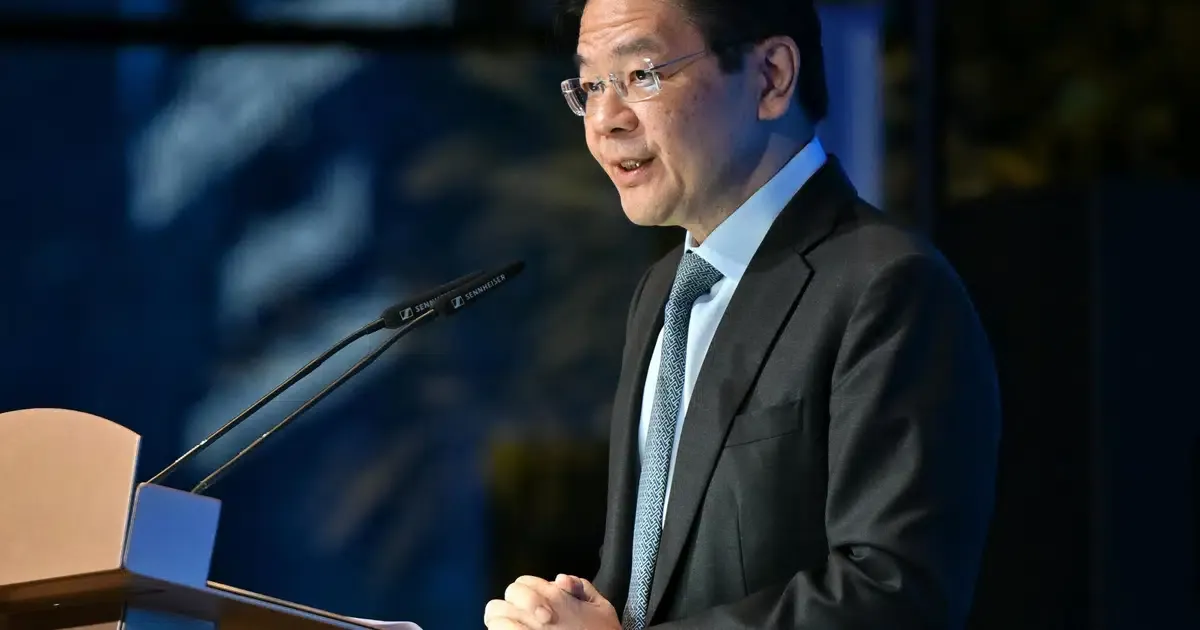 Photo: The Business Times
Key points
Asean trade ministers signed the Digital Economy Framework Agreement in Manila on 14 November to support a region valued at around one trillion dollars.
Trade ministers from the eleven member economies of the Association of Southeast Asian Nations signed the Digital Economy Framework Agreement on Saturday 14 November. The signing ceremony took place at a hotel in Pasay City near Manila where regional leaders gathered for the forty-ninth ASEAN Summit and related meetings. Officials confirmed the pact will help businesses operate across the region by simplifying digital trade procedures and facilitating cross-border data flows.
The agreement aims to support a digital economy valued at around one trillion dollars and forecast to double. Trade and Industry Secretary Ma. Cristina Roque stated that the pact provides a common framework for cross-border e-commerce and electronic payments to help businesses reach customers across the region. She added that the framework aims to give consumers greater confidence in online transactions through better cooperation on cybersecurity and online consumer protection.
A common framework for trade
The text of the agreement covers cooperation on digital trade and data protection among other priorities for the regional bloc. It aims to promote greater interoperability across digitally enabled sectors such as technology and logistics and supply chains to let businesses of all sizes expand across the ASEAN region. The framework also includes rules for using electronic documentation instead of paper documents to facilitate trade and reduce costs.
Singapore Deputy Prime Minister Gan Kim Yong said the pact took several years to negotiate and reflects the diverse state of readiness among member countries. He noted that it is not easy to negotiate an agreement that is sufficiently ambitious while remaining acceptable to all member countries at the same time. The agreement will hopefully come into force sometime early next year according to remarks made by Mr Gan after the signing ceremony in the Philippine capital.
Negotiation timeline and flexibility The Digital Economy Framework Agreement is the first standalone digital economy agreement for the bloc according to a press release from the Ministry of Energy Trade and Industry. Mr Gan said that while the framework sets out basic cross-border data flow rules each country has specific concerns regarding privacy laws and business confidentiality that allow for exceptions. He explained that the framework is designed to be flexible so the bloc is not restricted to progressing at the pace of its slowest member.
Negotiation timeline and flexibility
Minister Gan also said that the important thing is to keep the door open for other countries who are not quite ready to join in any time when they are ready. This approach allows for inclusive progress while enabling member states to move forward at a faster pace. He emphasized that governments can negotiate agreements but it will be up to the firms themselves to make use of the new framework to benefit their operations.
Businesses can benefit from the agreement through improved digital identification systems that help partners know who they are trading with across borders. The framework also covers cooperation on artificial intelligence and cybersecurity as these areas require collective effort to be able to make advances. Mr Gan said governments will reach out to engage the private sector to share what the digital economy framework is all about and how firms can tap on it.
What comes after the signing Trade officials said their real task now is to translate commitments into practical outcomes by putting necessary policies and infrastructure and systems in place. They stressed that implementation must respond to the needs of businesses particularly micro and small and medium enterprises so opportunities are not limited to those with the greatest resources. Roque urged businesses to invest in digital solutions and strengthen regional partnerships to bring smaller enterprises into the digital economy.
What comes after the signing
The meetings in Manila also saw plans to study a Green Economy Framework Agreement with an update received on the feasibility study. Mr Gan said they hope to complete the study soon and launch discussions on the Green Economy Framework Agreement next year. The summit under the Philippines chairmanship theme of Navigating Our Future Together will see leaders reaffirm commitment to community building and discuss ways to promote an open regional architecture.
Frequently asked questions
What is the Digital Economy Framework Agreement
The Digital Economy Framework Agreement is a pact signed by ASEAN trade ministers on 14 November to support a digital economy valued at around one trillion dollars.
When will the pact come into force
Officials hope the agreement will come into force sometime early next year after the signing on 14 November in Manila.
Who signed the framework deal
Trade ministers from all eleven ASEAN member states including Philippine Trade and Industry Secretary Cristina Roque signed the deal in Pasay City.