AWS launches Kiro bots to coordinate AI coding agents
AWS launched Kiro bots on 5 November 2026, adding long-running, named agents with persistent memory to its Kiro Crew workspace.
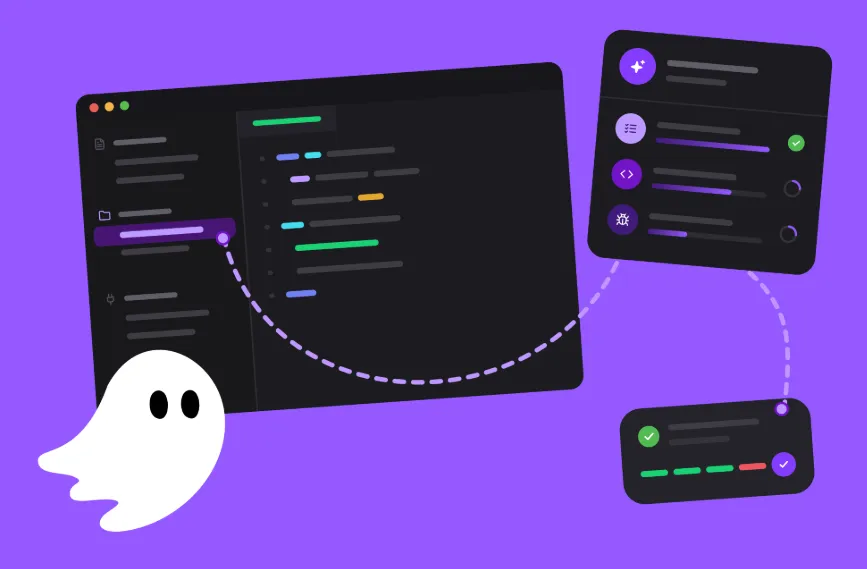 Photo: SD Times
Key points
AWS launched Kiro bots, long-running agents with persistent memory, to help developers coordinate parallel AI coding tasks.
AWS launched Kiro bots on 5 November 2026, adding long-running, named agents with persistent memory to Kiro Crew, its open-source multi-agent development environment. The bots aim to help developers coordinate parallel coding tasks and automate recurring workflows, according to an AWS statement. Kiro bots replace temporary task sessions with goal-oriented agents that maintain their own memory and operate within tailored workspaces. Each bot has a custom name, avatar, workspace, inspectable notes, and an ongoing chat stream where engineers define direction and review results, as described in a Kiro blog post.
How bots work
The introduction targets context fragmentation, a challenge where developers run multiple parallel AI sessions for tasks like refactoring modules or investigating flaky tests. Running isolated sessions often leads to coordination overhead, with engineers spending time catching up on task execution and transferring context between sessions. Each bot can spawn parallel worker sessions, monitor their progress, redirect tasks drifting from the plan, and bring consolidated findings back to its primary chat thread. If a subtask requires human judgment, the bot prompts the user while continuing independent progress on unrelated items, and bots support automated scheduling for tasks like inspecting overnight build failures.
Bots operate with strictly defined permissions and isolated memory. A research bot can search the web and read codebase files without edit authority, while a deployment bot can execute deployment scripts but requires explicit user sign-off for changes. Developers can assign different underlying models to a bot and its worker agents, using powerful models for planning and faster, lower-cost models for routine checks.
Coordination tax concerns
AWS suggests bots for specific roles: an intake bot reviews ticket queues, a build-health bot inspects CI pipelines every 30 minutes, a code review bot checks pull requests against historical rules, and a release-readiness bot manages pre-release checklists. Developers can start configuring bots today by accessing kiro.dev/crew.
Analysts say the bots could reduce the coordination burden on developers, shifting focus from managing individual sessions to overseeing broader workflows. Stephanie Walter, practice lead of AI stack at HyperFrame Research, said, 'Running several agents in parallel can turn the developer into a dispatcher, checking progress, reconnecting context and deciding what happens next. Kiro Bots attempts to take over more of that coordination, resulting in less supervision of individual sessions.'
However, orchestrating multiple worker agents through a supervisory bot introduces what Dave McCarthy, group vice president at IDC, terms 'coordination tax' because parallel background retries and tool calls can rapidly compound token consumption and compute costs. CIOs should evaluate productivity gains against operating costs, according to Walter, who advised starting with one bounded process and measuring the full result.
Governance and costs
Beyond costs, the growing autonomy of bots could make it harder to trace decisions across sessions, cautioned Ashish Chaturvedi, executive research leader at HFS Research. While Kiro allows developers to inspect, edit, or delete Notes and review work logs, explaining why a bot made a decision could become more difficult as its behavior evolves through weeks of interactions, and different developers could end up with bots that behave differently.
Chaturvedi also warned of potential permission creep, where bots request access to additional tools and developers become accustomed to approving such requests without reassessing authority. CIOs and IT leaders will need to govern bots much like human contractors, with strict identity scopes, budget guardrails, and centralized telemetry, McCarthy said. On cost, an AWS spokesperson said, 'All of the Kiro bots bill together through a developer’s existing Kiro plan. Each bot in Kiro Crew has its own memory and sessions, and their learned context is intentionally kept separate so that what one bot learns doesn’t bleed into another’s work. However, all bots operate within the same Kiro Crew workspace, use the same harness, and have access to the same codebase, project files, MCP, skills, and tools—so they don’t need to independently rediscover your project structure.' Kiro Crew evolved from Amazon's MeshClaw project, initially released in August 2026, and was picked up by more than 39,000 builders in under six months before its open-source release. Kiro first launched on 14 July 2025 and reached general availability on 7 May 2026.
Frequently asked questions
What are Kiro bots?
Kiro bots are long-running, named AI agents with persistent memory and sessions, launched by AWS on 5 November 2026 within Kiro Crew. They coordinate parallel coding tasks and automate recurring workflows.
How do Kiro bots reduce coordination overhead?
Each bot maintains its own memory and sessions, so developers don't track tasks individually. Bots can spawn worker agents, monitor progress, and consolidate results, reducing the need for manual context transfer.
What are the costs of using Kiro bots?
Analysts warn of a 'coordination tax' from token consumption and compute costs due to parallel retries and tool calls. AWS says all bots bill together through a developer's existing Kiro plan.