Bangladesh forms six-member wage board as garment protests spread
Bangladesh announced a six-member wage board on 1 November to review garment pay, as thousands of workers demanding 30,000 taka a month clashed with police near Dhaka.
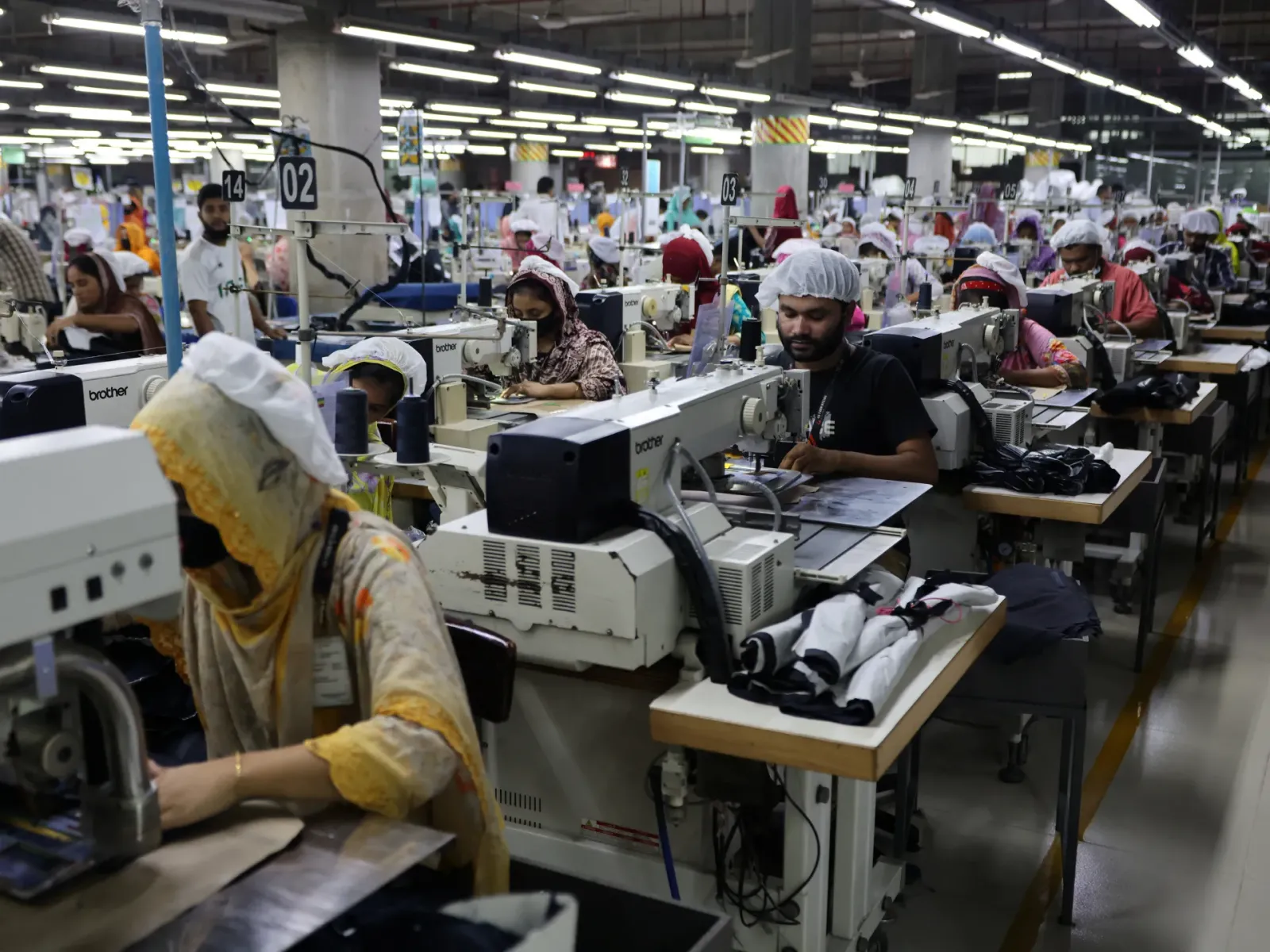 Photo: Al Jazeera
Key points
Bangladesh formed a six-member wage board on 1 November to review garment workers' minimum wage as protests demanding 30,000 taka a month disrupted factories near Dhaka.
Bangladesh formed a six-member wage board on 1 November to review the minimum wage for garment workers, as thousands of protesters demanding higher pay clashed with police around Dhaka. Police fired tear gas and sound grenades at demonstrators, and about 30 factories on the outskirts of the capital declared holidays on Saturday.
The announcement matters because the garment sector is the backbone of Bangladesh's export-driven economy, employing about 4 million workers and generating more than 80% of the country's export earnings. The board is new in that it follows three days of discussions with labour leaders and factory owners, after protests that disrupted key industrial hubs around the capital.
Why the wage board was formed
Workers are demanding a minimum monthly wage of 30,000 taka, more than double the current minimum of 12,500 taka. They say rising costs of food, housing, transport and healthcare have sharply eroded their purchasing power. Kalpona Akhter of the Bangladesh Centre for Workers Solidarity said workers currently earn about 13,000 taka a month.
Labour and Employment Minister Ariful Haque Chowdhury said the board was formed after discussions with workers' representatives and industry leaders, and urged employees to return to work. Ministry of Labour and Employment adviser M Sakhawat Hossain Chowdhury told reporters the issue of forming the wage board had been resolved, and that there would be no more problems now.
The six-member board includes representatives of the government, workers and factory owners, and is tasked with determining a new minimum wage. Labour leaders said their grievances went beyond the board's creation, citing inflation and household expenses. Kalpona Akhter said workers were demanding a bit more than 30,000 taka, considering inflation and the rising cost of living.
What the protests shut down
Protests began on Saturday and prompted about 30 garment factories in Ashulia, a major manufacturing hub on the outskirts of Dhaka, to declare holidays, according to Mohammad Mominul Islam Bhuiyan, superintendent of the Ashulia Industrial Police. Clashes between workers and police in Ashulia injured several people, including police officers, police said.
On Sunday, demonstrators blocked a busy intersection in Dhaka, where police used tear gas and water cannon, and some protesters hurled bricks at officers. Hundreds of workers also blocked a major highway in Gazipur, disrupting transport in one of the country's key industrial belts. Factory owners shut 25 to 30 factories there, and authorities deployed Border Guard Bangladesh personnel to maintain order, Gazipur Industrial Police Superintendent Mohammad Amjad Hossain said.
Chowdhury warned that prolonged factory closures and production disruptions could delay export shipments and payments from international buyers, creating further difficulties for manufacturers and workers alike. The sector already faces rising production costs, periodic gas and electricity shortages, and energy market uncertainty linked to tensions in the Middle East during the United States-Israel war on Iran.
What the sector faces next
The industry is the world's largest garment exporter after China, contributing about 10% of gross domestic product. Manufacturers said the wage dispute arrives at a difficult time, with prolonged disruptions threatening production schedules and timely fulfilment of overseas orders. The industry is also seeking to expand beyond traditional markets, having recently secured greater access to Japan while exploring new destinations as it competes with rivals such as Vietnam. No date for the wage board's decision has been announced. The board's task of determining a new minimum wage follows the protests that began on Saturday and continued with fresh demonstrations on Sunday, as workers pressed their demand for 30,000 taka a month.
Frequently asked questions
Why did Bangladesh form a wage board?
Bangladesh formed a six-member wage board on 1 November to review the minimum wage for garment workers, after protests demanding higher pay disrupted key industrial hubs around Dhaka. The board includes government, worker and factory owner representatives.
How much are garment workers demanding?
Workers demand a minimum monthly wage of 30,000 taka, more than double the current minimum of 12,500 taka, saying rising costs of food, housing, transport and healthcare have eroded their purchasing power.
How many factories closed during the protests?
About 30 factories in Ashulia declared holidays on Saturday, and 25 to 30 factories shut in Gazipur on Sunday, where hundreds of workers blocked a major highway.