Bolivia declares state of emergency over El Nino drought
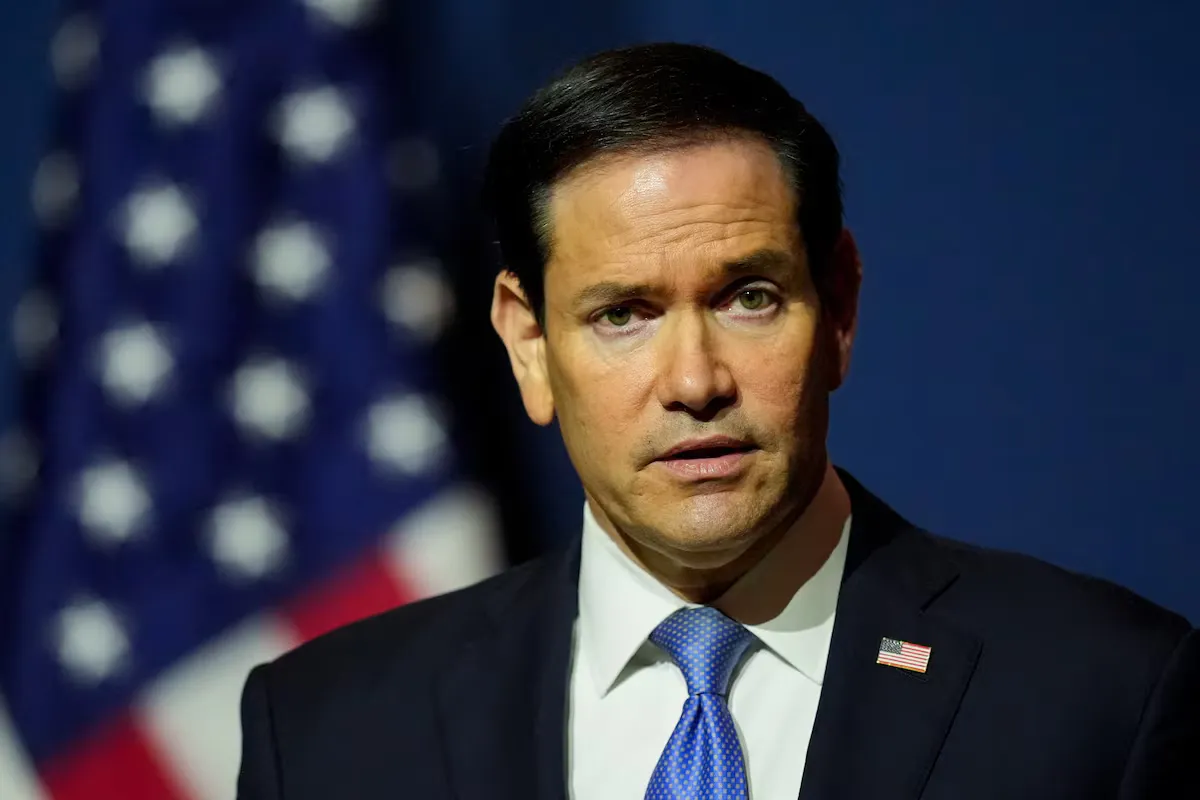
Bolivian President Rodrigo Paz signed a decree on 31 October declaring a national state of emergency, as drought affects 78,000 families in six of nine departments and kills more than 75,000 cattle.
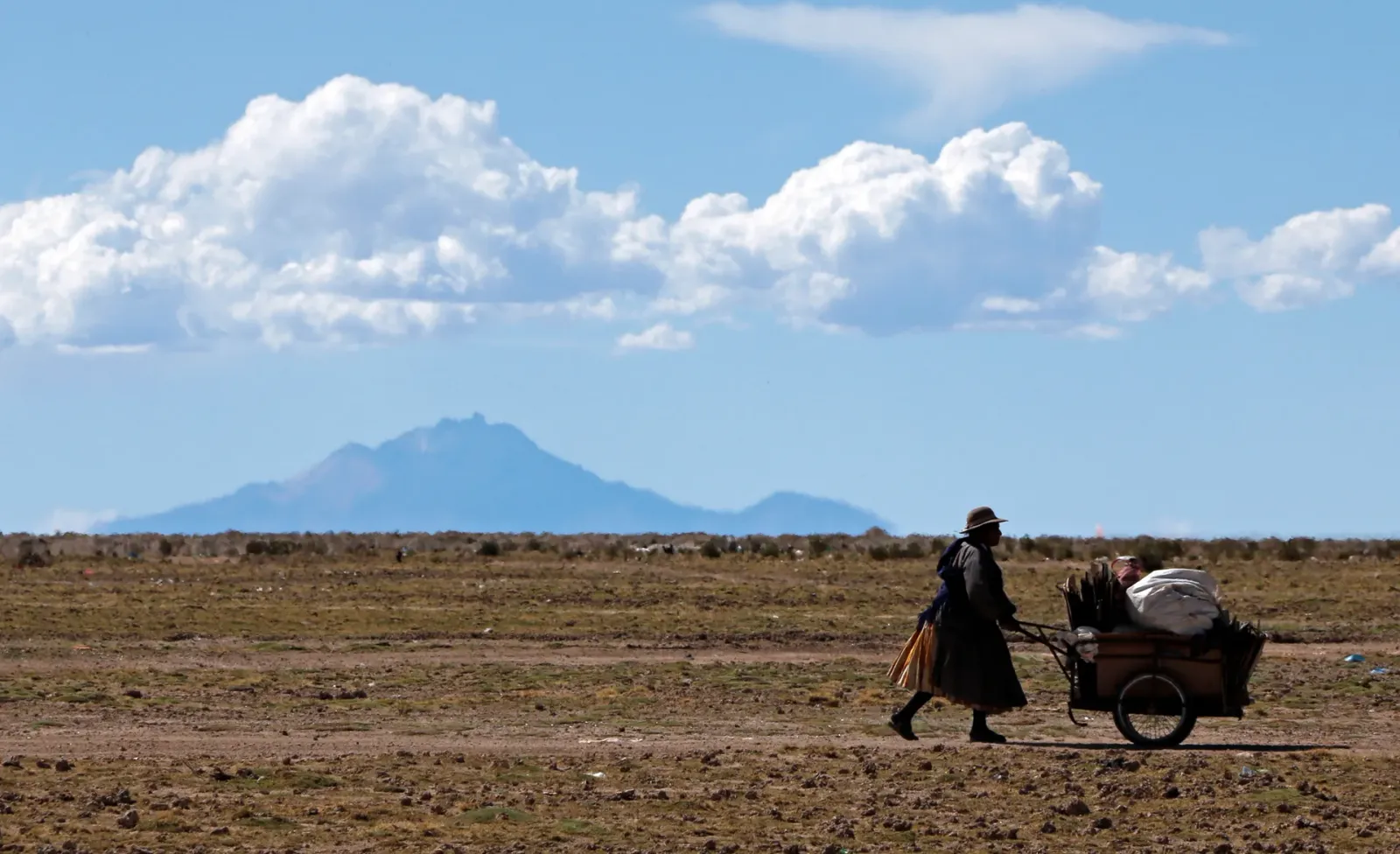 Photo: Al Jazeera
Key points
Bolivia's president signed a decree on 31 October declaring a national state of emergency to address drought and flooding driven by El Nino.
Bolivia's President Rodrigo Paz signed a decree on 31 October declaring a national state of emergency to address the impacts of El Nino, freeing up resources and calling for further deployments of rescue teams in areas hit by flooding and drought. The decree, signed on Saturday, aims to mobilise financial and human resources, strengthen coordination among government agencies and seek international cooperation to assist affected families and mitigate the impact of climate-related disasters on lives and economic activities, Paz said.
What the decree authorises
The declaration matters because it allows authorities to deploy resources more quickly where they are needed, and because Bolivia faces both drought and flooding at once. Paz said El Nino will have "very severe impacts in terms of drought and floods" and that Bolivia needs "the cooperation of all institutions".
Drought is affecting 78,000 families in six of Bolivia's nine departments and has led to the loss of more than 75,000 cattle, according to a government report this week. Bolivia's Vice Ministry of Civil Defense said on Wednesday that nearly 80,000 families across six departments had been affected by water shortages.
Paz said 63 communities in Bolivia have already been affected by drought, while the livestock sector struggles with shortages of animal feed. The decree also calls for deploying more rescue teams in hard-hit areas as Bolivia grapples with both flooding and drought, Paz said in an address to the nation.
Scale of drought and cattle losses
El Nino warms surface temperatures in the central and eastern equatorial Pacific Ocean, bringing worldwide changes in winds, pressure and rainfall patterns. The phenomenon occurs roughly every two to seven years as part of the planet's natural weather cycle, and its intensity varies by geographic location. This cycle could be the strongest in recorded history, and El Nino is due to peak at the end of 2026, though its impacts could continue well into 2027. In early September, the World Meteorological Organization reported a nearly 100 percent likelihood that El Nino will continue through February 2027.
El Nino's regional and global reach
The United Nations warned this week that El Nino could have "unprecedented" strength, bringing havoc to Latin America, eastern and southern Africa, Asia and the Pacific. Scientists predict El Nino could cause more than 450,000 deaths globally, with the poorest countries worst impacted. Bolivia's neighbours are already affected. Peru has seen increased temperatures and wildfires that have killed at least 12 people, while Chile's capital Santiago recorded the rainiest October ever. Bolivia is also prone to flooding: in December 2025, floods in the Santa Cruz region killed dozens of people. El Nino's impacts could continue well into 2027, with the World Meteorological Organization's early September forecast pointing to continuation through February 2027, and Paz seeking international cooperation to assist affected families as the country prepares for potential flooding in the coming months.
Frequently asked questions
Why did Bolivia declare a state of emergency?
President Rodrigo Paz signed a decree on 31 October to free up resources, deploy more rescue teams and mobilise financial and human resources to address drought and prepare for potential flooding driven by El Nino.
How many families and cattle has the drought affected in Bolivia?
A government report says drought affects 78,000 families in six of Bolivia's nine departments and has killed more than 75,000 cattle. The Vice Ministry of Civil Defense said nearly 80,000 families had been affected by water shortages.
When is El Nino expected to peak?
El Nino is due to peak at the end of 2026, with impacts possibly continuing into 2027. The World Meteorological Organization reported in early September a nearly 100 percent likelihood it continues through February 2027.