Bayer's $7.25bn Roundup cancer settlement approved by Missouri judge
Judge Timothy Boyer approved Bayer's payment of up to $7.25 billion over 21 years to settle claims that Roundup causes cancer, with payouts averaging $10,000 to $165,000.
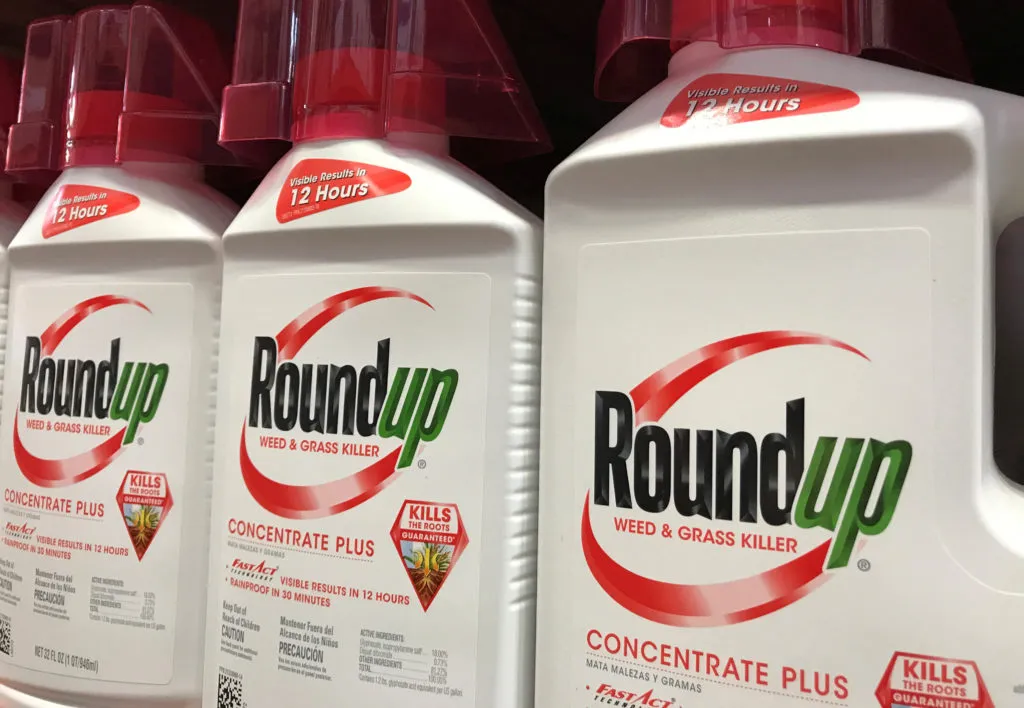 Photo: PBS NewsHour
Key points
A Missouri judge approved Bayer's settlement of up to $7.25 billion over 21 years to resolve claims that its Roundup weedkiller causes cancer.
A Missouri judge on Friday approved Bayer's $7.25 billion settlement of lawsuits alleging that its weedkiller Roundup causes cancer. The German company says the deal resolves thousands of claims from US patients who said it should have warned them. Judge Timothy Boyer of a state court in St Louis found the agreement "fair, reasonable and adequate".
The approval gives Bayer financial certainty against litigation costs that the company has said led it to consider pulling the product from US agricultural markets. The settlement was announced in February and aims to resolve nearly all current and future Roundup claims in the United States. It covers people already ill and those diagnosed with non-Hodgkin lymphoma in future years.
How the payouts are set
Bayer will pay up to $7.25 billion into a special fund over up to 21 years, making annual payments. Individual participants could receive an average of between $10,000 and $165,000, depending on how they used the product, how old they were when diagnosed and the severity of their illness, according to the settlement terms.
Boyer overruled objections that payouts to individual cancer victims would be too low because claimants who previously settled were paid more. He said delaying payouts could force victims, including those whose cancer is terminal, to wait "an indeterminate number of years" to be paid. The settlement follows a US Supreme Court ruling that undercut a central argument in the Roundup lawsuits. The court agreed with Bayer that a federal law regulating pesticides barred failure-to-warn claims brought under state law, because federal regulations do not require a cancer warning label and states cannot impose additional labelling requirements.
The Supreme Court ruling behind it
That ruling narrowed the ability of Roundup victims to pursue claims in court, said Christopher Seeger, a lawyer for many of the plaintiffs. "We look forward to getting this relief into the hands of all Roundup victims as quickly as possible," Seeger said in a statement. Bayer chief executive Bill Anderson called the court's final approval "a decisive milestone in the company's strategy to mitigate the risks of both pending and future Roundup litigation".
Bayer has long maintained that Roundup and its active ingredient glyphosate are safe. The World Health Organization's International Agency for Research on Cancer classified the chemical as "probably carcinogenic" in 2015, while the US Environmental Protection Agency has determined that it is not likely to cause cancer in humans when used as directed.
What remains outside the deal
The settlement excludes some lawsuits that remain pending in federal court. Bayer has said about 200 of those cases were still being litigated and that the Supreme Court decision gave it strong defences. In the first Roundup verdict since that ruling, a Missouri jury in October sided with Bayer in a case alleging design defects, negligence and fraud.
Bayer previously set aside $16 billion to cover legal costs related to Roundup cases, and the new settlement is in addition to that. The company settled much of the Roundup litigation for $10.9 billion in 2020 but was unable to win court approval of a $1.25 billion settlement to resolve future claims.
Roundup has been used on weeds for more than 50 years. Missouri-based Monsanto debuted the weedkiller in 1974 with glyphosate as its active ingredient, and Bayer added the product to its portfolio when it acquired Monsanto for $63 billion in 2018. Bayer's share price has fallen 46% since that takeover. About 200,000 Roundup-related claims have been made against Bayer, many from people who used it on residential lawns and gardens. Bayer has removed glyphosate from its new versions of Roundup sold for residential markets. The decision approving the settlement could still be appealed.
Frequently asked questions
How much will Bayer pay in the Roundup settlement?
Bayer will pay up to $7.25 billion into a special fund over up to 21 years, making annual payments. The settlement is in addition to $16 billion Bayer previously set aside for Roundup legal costs.
How much will individual cancer patients receive?
Payments are expected to average between $10,000 and $165,000, depending on how the person used Roundup, their age at diagnosis and the severity of the illness.
Why did Bayer settle the Roundup lawsuits?
Bayer denies Roundup causes cancer but said the settlement gives it financial certainty against litigation costs. A US Supreme Court ruling barred failure-to-warn claims under state law, making it harder for plaintiffs to win.