Two Libyan soldiers die after Ukrainian drone strike on Russian ships in Benghazi
Two Libyan soldiers died of injuries from a Ukrainian naval drone attack on Russian vessels in Benghazi port, eastern Libya's administration said, as Kyiv called the strike self-defence.
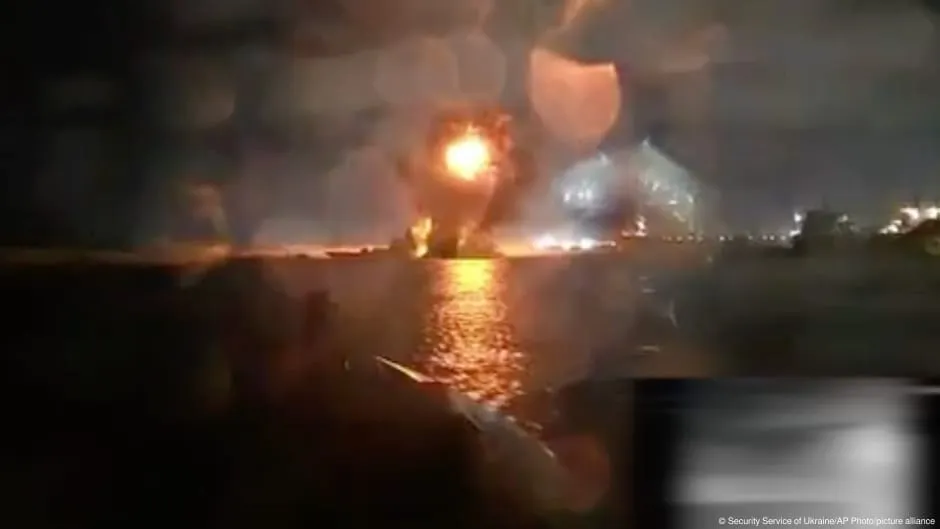 Photo: DW
Key points
Two Libyan soldiers died of injuries from a Ukrainian naval drone attack on Russian ships in Benghazi port, eastern Libya's administration said.
Two Libyan soldiers have died from injuries sustained during a Ukrainian attack on a Russian warship docked in the port of Benghazi, the head of the eastern administration, Oussama Hamad, said. Hamad described the deaths as a result of "their injuries during the treacherous Ukrainian aggression against the port of Benghazi." Libya is divided between a UN-recognized government in Tripoli and a parallel administration in the east of the country that controls Benghazi.
The strike put a Russian warship and a Russian-owned cargo vessel under attack in a third country's port, drawing denunciations from both Libyan administrations. Ukraine has in recent months sought to attack Russian targets further and further away, including a series of strikes in Siberia. The Benghazi operation extended Kyiv's campaign against Russian ships beyond the Black Sea, into a port that hosts vessels Moscow uses for refuelling and resupply.
What the drones struck
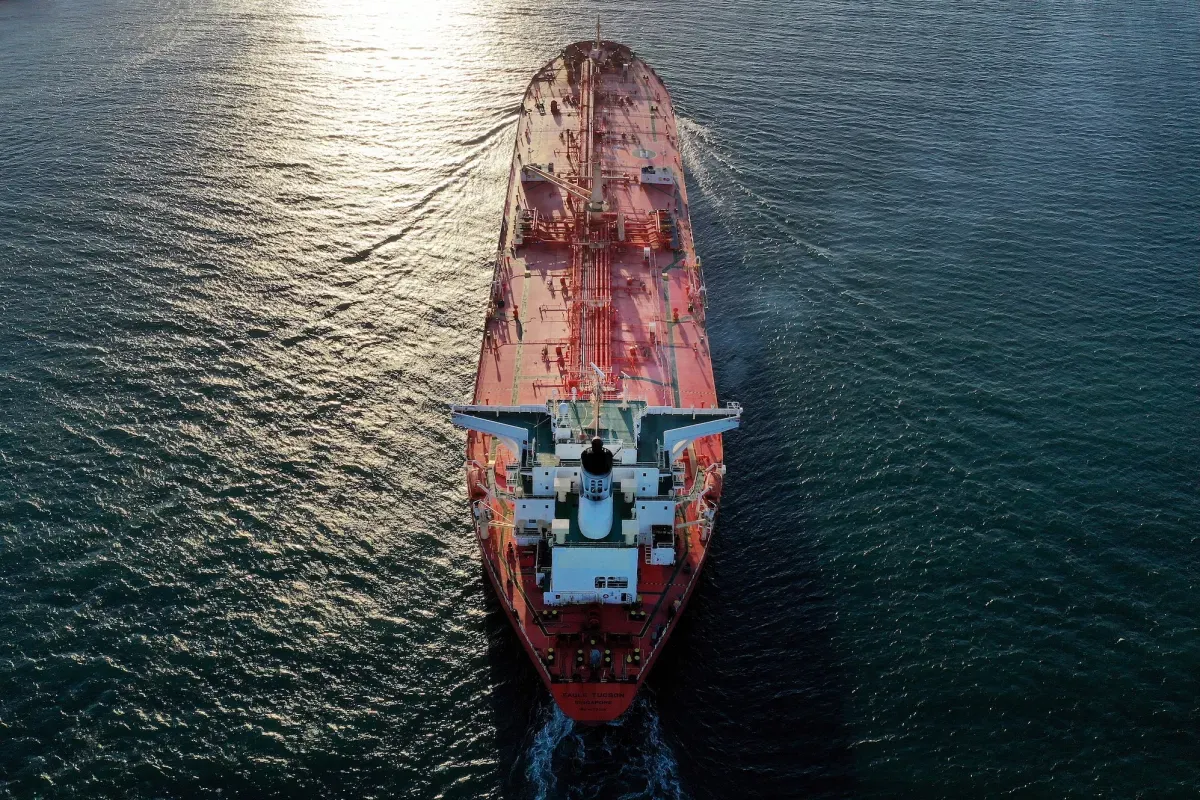
Ukrainian naval drones struck the Russian navy corvette Merkury and the Russian cargo ship MV Angara near Benghazi, according to screen grabs from video provided by the Security Service of Ukraine. Ukraine claimed responsibility for the attacks, which used unmanned sea vehicles. President Volodymyr Zelenskyy claimed the naval drone attack a day after it occurred.
According to the Institute for the Study of War, the Russian corvette had stopped for several days in Benghazi's port to refuel and resupply. The strikes targeted vessels Kyiv says support Russia's war effort, including warships, cargo ships carrying military supplies and shadow fleet carriers. Kyiv has argued that hitting such vessels abroad is part of its campaign against the Russian fleet rather than an operation against Libya itself.
Saddam Haftar, widely seen as heir apparent to military commander Khalifa Haftar, said "it is with deep sadness and great pride that I pay tribute today to two heroes of our naval forces." He said they "were martyred as a result of their injuries sustained during the performance of their national duty following the criminal attack on the Benghazi Naval Base." Haftar's camp has maintained close military and strategic ties with Russia for several years.
Tripoli rejects the operation
Libya's Foreign Ministry, based in Tripoli, denounced the attacks on Monday and said it did not authorize "any foreign military operations within [Libya's] territory or territorial waters." It asked Ukraine to provide clarifications about the operation. The UN Mission in Libya also expressed concern, stressing that Libya's sovereignty, territorial integrity and the security of its citizens and assets must be fully respected.
The Libyan National Army General Command said a response would come "at the appropriate time and place." The warning came as the eastern administration buried the two naval personnel. Libya's divided governance means the Tripoli government and the eastern administration have issued separate responses to the same attack, with Tripoli rejecting the strike as a violation and the east framing the dead as martyrs.
Ukrainian Foreign Ministry spokesperson Heorhii Tykhyi said Ukraine intended no harm to Libya or its people. "Ukraine is not 'dragging' anyone into the war, nor is it 'carrying' the war anywhere. Ukraine's actions are directed solely against (Russia) and not against any third party," he said. Foreign Minister Andrii Sybiha made a similar statement on Telegram.
Kyiv cites right to self-defence
Ukraine's Foreign Ministry argued that its operations fall within the right to self-defence stipulated in Article 51 of the United Nations Charter. It said international law does not restrict the right to self-defence to the place where the aggression occurs, whether inside the aggressor state's territory or in international waters. Kyiv said it adheres to proportionality and works to minimize collateral risks.
Tykhyi said Russia uses the civilian infrastructure of third countries for its military purposes and puts those countries at risk. "The threat to Libya has been created by Russian warships and the Russian arms carriers that regularly arrive there," he said. Ukraine's ministry said Moscow uses military presence and logistics networks outside its territory, especially in Africa, to support its war against Ukraine.
The Benghazi strike came as Russia's bombardments seek to knock out Ukraine's power supply before winter. A Russian nighttime attack on Zaporizhzhia in southern Ukraine killed two civilians and wounded 48 others, including four children, according to Mykhailo Semikin, head of the Zaporizhzhia Regional Military Administration. The glide bomb attack destroyed a private house and partially destroyed a five-story apartment building.
Zelenskyy said the Ukrainian military is sending reinforcements to the Zaporizhzhia region, which lies on the roughly 1,250-kilometer front line snaking through eastern and southern Ukraine. He said Ukraine needs 115 billion euros ($126 billion) in aid from foreign countries next year, with 90 billion euros ($98.7 billion) already assured and another 25 billion euros ($27.4 billion) still to be found. Russia and Ukraine have escalated aerial strikes even as they engage in U.S.-mediated talks.
Frequently asked questions
What happened in Benghazi?
Ukrainian naval drones struck the Russian corvette Merkury and the cargo ship MV Angara in Benghazi port. Two Libyan soldiers died from injuries in the attack, according to the eastern administration's Oussama Hamad.
Why did Ukraine attack Russian ships in Libya?
Ukraine said its operations target Russian military assets supporting the war against Ukraine and fall within the right to self-defence under Article 51 of the UN Charter. Kyiv said it did not intend to harm Libya.
How did Libya respond to the Benghazi attack?
Libya's Tripoli-based Foreign Ministry denounced the attack and said it did not authorise any foreign military operations in its territory or waters. The Libyan National Army General Command said a response would come at the appropriate time and place.