Trump administration asks Supreme Court to lift Big Bend border wall block
The administration filed an emergency petition on Wednesday to overturn Judge Kathleen Cardone's 2 October order pausing construction across about 500 miles in Texas's Big Bend region.
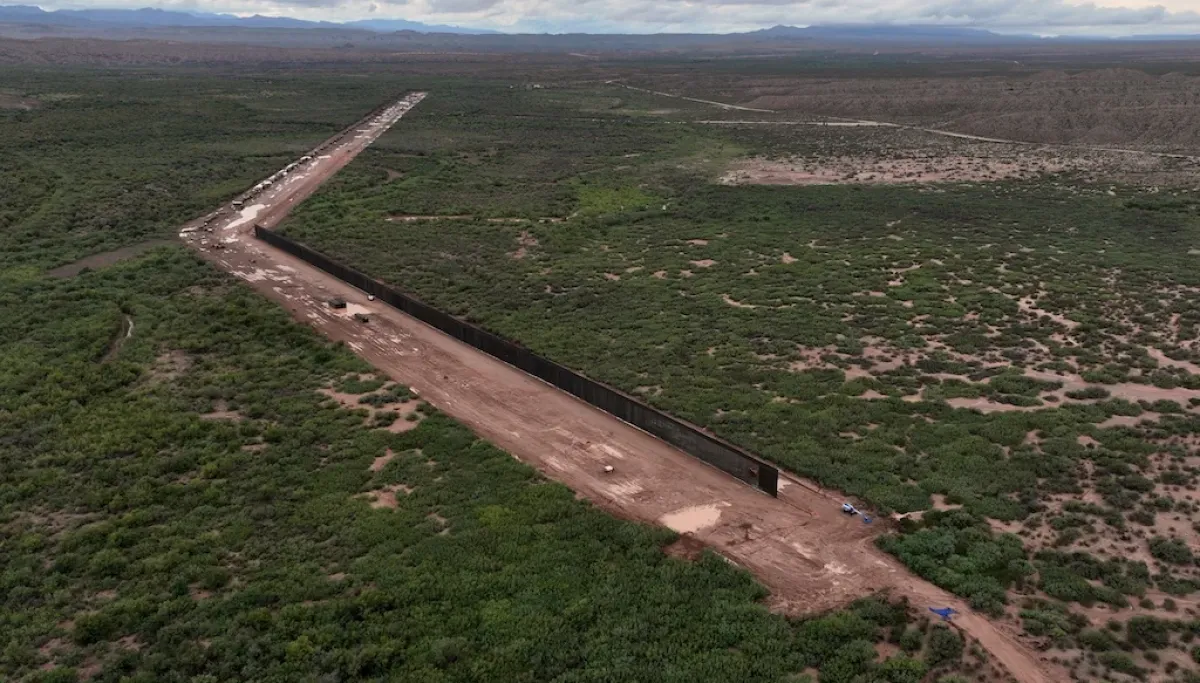 Photo: Washington Examiner
Key points
The Trump administration asked the Supreme Court on Wednesday to lift a lower court order blocking border wall construction in Texas's Big Bend region.
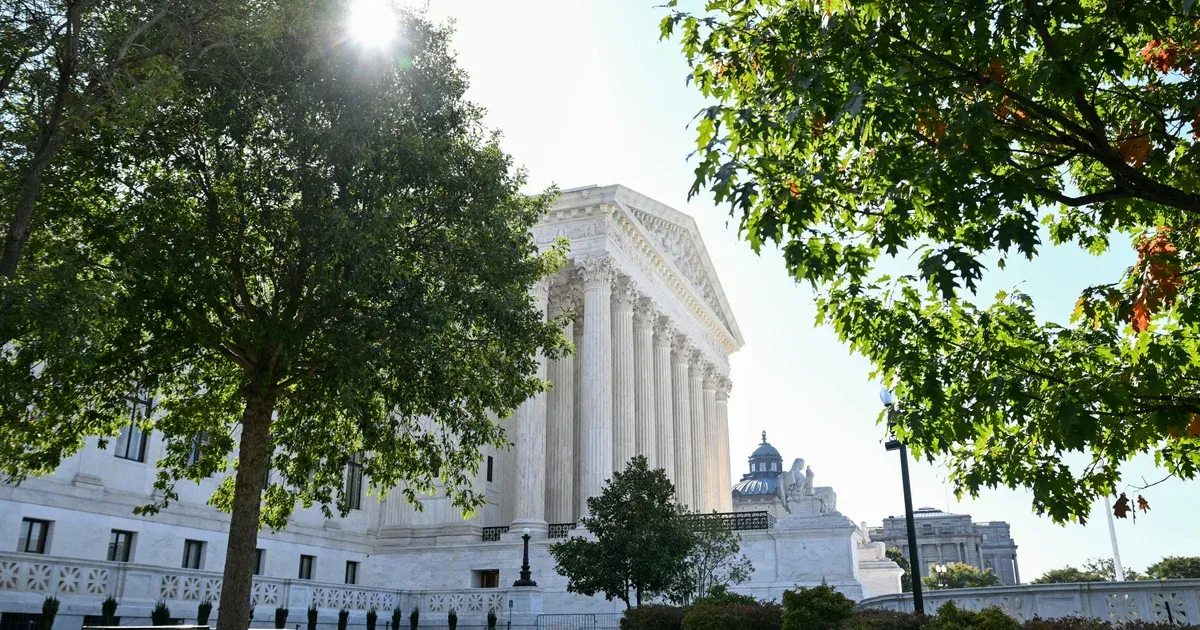
The Trump administration asked the Supreme Court on Wednesday to allow construction to resume on a border wall in Texas's Big Bend region. The administration filed an emergency petition asking the justices to lift a lower court's injunction halting border wall construction there. Solicitor General D. John Sauer pleaded to the high court to lift a "baseless injunction that halts a major portion of the construction of the border wall."
The injunction was issued by the U.S. District Court for the Western District of Texas earlier this month. U.S. District Judge Kathleen Cardone, an appointee of former President George W. Bush, blocked three waivers issued by the Department of Homeland Security that allowed for border wall construction. She sided with environmental activists who sued to halt construction in the region.
What Judge Cardone ruled
Cardone's order came on October 2. She directed the government to pause construction across a project area of about 500 miles. The work includes walls, vehicle barriers and surveillance technology. The ruling was described as a key win for a bipartisan group opposing the project. The court order remains in place while the lawsuit continues.
Cardone's decision focused on broad waivers signed by the secretary of Homeland Security. The waivers let U.S. Customs and Border Protection avoid environmental and other rules. Those rules could slow a large project near the border. The dispute centred on whether the waivers were allowed for Big Bend. The judge agreed with the challengers and questioned the legal basis for the waivers.
"The Court finds that Plaintiffs are likely to succeed on the merits of their major questions doctrine claim that the Big Bend Waivers were issued in excess of the Secretarys authority," Cardone wrote. The major questions doctrine is a legal principle under which courts require clear congressional authorisation for decisions of vast economic or political significance. The preliminary injunction covered Big Bend National Park and nearby areas, and also applied to land up and downriver owned privately or by the state.
The 1996 waiver power dispute
The government said Big Bend faced high levels of illegal entry. It argued that a 1996 law clearly gave the secretary strong waiver powers. Officials said those powers were needed to build physical barriers or roads near the border. The goal, the filing said, was to stop unlawful crossings. The administration also warned that gaps could redirect illegal immigration into Big Bend.
Opponents disputed that reading of the law. They said Congress allowed waivers only for places with high illegal entry. They argued Big Bend is remote and rugged, and does not meet that standard. In Big Bend, resistance came from ranchers, residents, business owners and environmentalists. Opponents said illegal immigration has stayed low in the area for years, and argued the spending was not justified there.
Many warned that new construction could damage the region's scenic landscapes. The legal fight included several lawsuits seeking to block the Big Bend project. Tensions increased in August after bulldozers were seen clearing land in Big Bend National Park. Opponents said other tools could address border security without new wall segments, pointing to drones and surveillance towers as alternatives that could be effective and cheaper than wall construction.
USD 46 billion for wall completion
Trump pledged to build a border wall along the roughly 2,000-mile southwest border. Republicans in Congress allocated Homeland Security USD 46 billion last summer for completion. Plans call for a mix of 30-foot-tall steel bollard walls, vehicle barriers and surveillance technology. Construction has moved from the Pacific Ocean to the Gulf of Mexico.
The emergency petition now seeks to restart building while the wider case continues. The Supreme Court's 2026-27 term officially started less than three weeks before the filing, so the first opinion day is likely still months away. The court's interim docket handles emergency requests such as this one, and the administration has asked for such relief around three dozen times since January 2025.
Frequently asked questions
What did the Trump administration ask the Supreme Court to do?
It filed an emergency petition on Wednesday asking the justices to lift a lower court's injunction halting border wall construction in Texas's Big Bend region. Solicitor General D. John Sauer asked the court to lift a "baseless injunction that halts a major portion of the construction of the border wall."
Why did Judge Kathleen Cardone block the Big Bend border wall?
Cardone found the challengers were likely to succeed on their major questions doctrine claim that the Big Bend waivers were issued in excess of the Homeland Security secretary's authority. Her 2 October order paused construction across a project area of about 500 miles.
How much did Congress allocate for border wall completion?
Republicans in Congress allocated Homeland Security USD 46 billion last summer for completion of the border wall. Plans call for a mix of 30-foot-tall steel bollard walls, vehicle barriers and surveillance technology along the roughly 2,000-mile southwest border.