Supreme Court leaves blocked trans inmate care policy in place
On 21 October 2026 the Supreme Court declined to pause a lower court order blocking a Bureau of Prisons policy ending hormone therapy, surgery and social accommodations for transgender inmates.
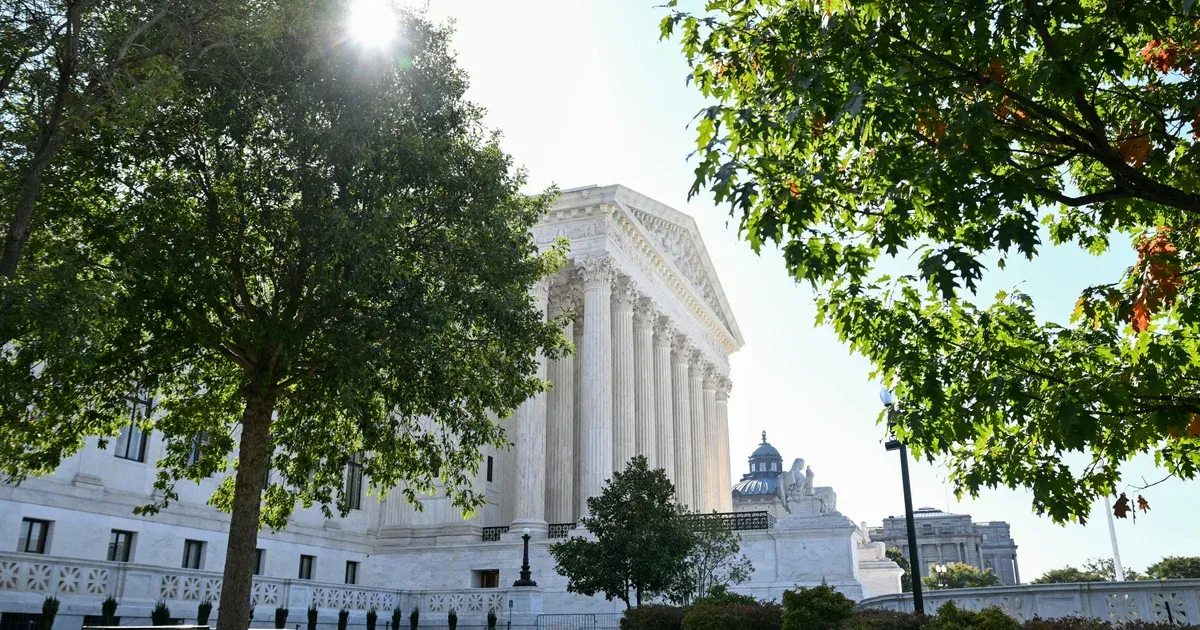 Photo: CBS News
Key points
The Supreme Court on 21 October 2026 rejected the Trump administration's emergency appeal to enforce a policy ending medical treatments for transgender federal inmates.
The Supreme Court on 21 October 2026 rejected an emergency appeal from the Trump administration, leaving intact a lower court order that blocks a new Bureau of Prisons policy ending certain medical treatments for transgender federal inmates. The unsigned, one-line order declined to freeze the district court's injunction, so the policy cannot be enforced while the case proceeds.
The decision matters because the blocked policy would cut off surgical and hormone therapy treatments, as well as social accommodations such as breast padding, binders, wigs and makeup, for inmates diagnosed with gender dysphoria. Justices Samuel Alito and Clarence Thomas said they would have allowed the Trump administration to enforce the change, but did not explain their reasoning.
What the unsigned order did
The dispute stems from an executive order President Trump signed on the first day of his second term, directing the attorney general to ensure that no federal funds are expended for any medical procedure, treatment or drug for the purpose of conforming an inmate's appearance to that of the opposite sex. In response, the Bureau of Prisons issued a new policy in February 2026 stating it would not provide surgeries or hormone therapy to address gender dysphoria.
Inmates already receiving hormone treatments could be placed on a tapering plan that would eventually lead to discontinuation. The Bureau of Prisons also would no longer provide social accommodations such as breast padding, binders, wigs and makeup. In a memo accompanying the policy, the agency said it changed its rules to reflect treatment more aligned with the latest scientific information and to account for security and administration concerns.
The Bureau of Prisons adopted the February 2026 policy roughly one year after issuing two memoranda to implement the executive order. The agency emphasised that it adopted the policy independently of the February 2025 executive order, and included an extensive administrative record and a 43-page memorandum attributing the change to the latest scientific information. Earlier policies had relied on recommendations by the World Professional Association for Transgender Health, which the agency said prison administrators deemed unreliable and unpersuasive.
How the policy reached the court
Solicitor General D. John Sauer argued the district court substituted its own policy judgment for that of the Bureau of Prisons and denied prison administrators the deference they are due. Lawyers for the inmates countered that the agency had not pointed to a single security incident related to providing medical interventions for gender dysphoria, and that the policy would end treatment for nearly 1,000 inmates in the bureau's custody.
What each side argued
The inmates' lawyers also argued the Bureau of Prisons replaced treatment its own healthcare providers had recommended for decades with psychotherapy, which they said its own expert acknowledged is backed by no evidence demonstrating efficacy as a treatment for gender dysphoria, and psychotropic medications that do not treat gender dysphoria itself. Li Nowlin-Sohl of the American Civil Liberties Union, who represented the inmates, said denying medically necessary health care in prison violates fundamental constitutional rights.
The Supreme Court issued its one-sentence order on 21 October 2026, 12 days after the government filed its reply brief, without providing reasoning for the decision or explaining the delay. The court did not rule on the merits of the case, which continues in the lower courts. The court has previously allowed other policies restricting transgender people to move ahead, including restrictions on military service and passport sex markers.
Frequently asked questions
What did the Supreme Court decide on 21 October 2026?
The Supreme Court issued a one-sentence unsigned order rejecting the Trump administration's emergency request to pause a lower court injunction, leaving the block on the Bureau of Prisons policy ending medical treatments for transgender inmates in place.
What would the blocked Bureau of Prisons policy do?
The policy, adopted in February 2026, would end surgeries and hormone therapy for inmates with gender dysphoria, taper off existing hormone treatments, and end social accommodations such as makeup, wigs, binders and breast padding.
Who dissented from the Supreme Court's decision?
Justices Samuel Alito and Clarence Thomas said they would have allowed the Trump administration to enforce the policy, without explaining their reasoning.