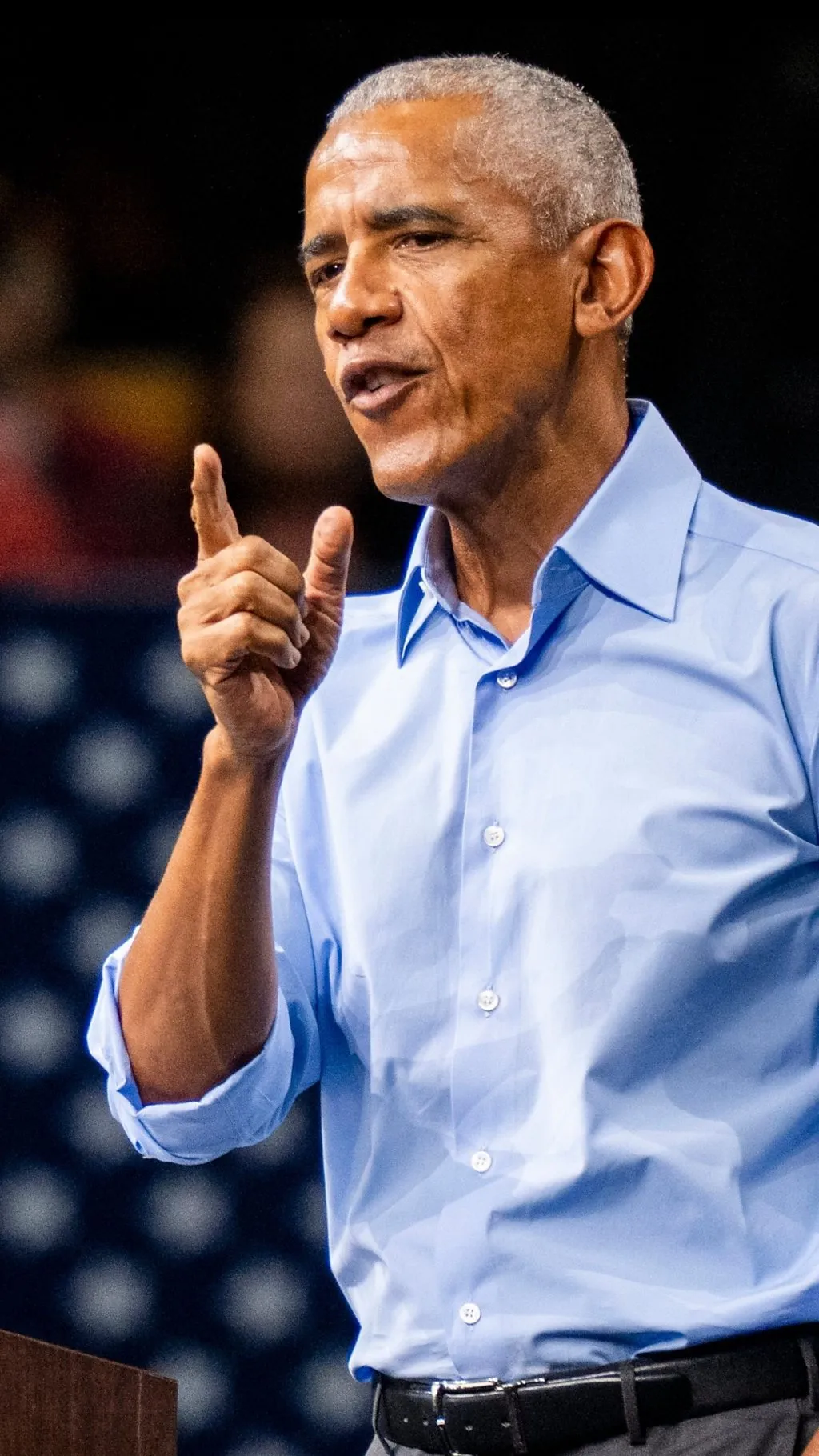
Brazilians vote in runoff between Lula and Flávio Bolsonaro
Brazilians voted on 25 October 2026 in a tight presidential runoff between incumbent Luiz Inácio Lula da Silva and Senator Flávio Bolsonaro, with polls showing the candidates neck and neck.
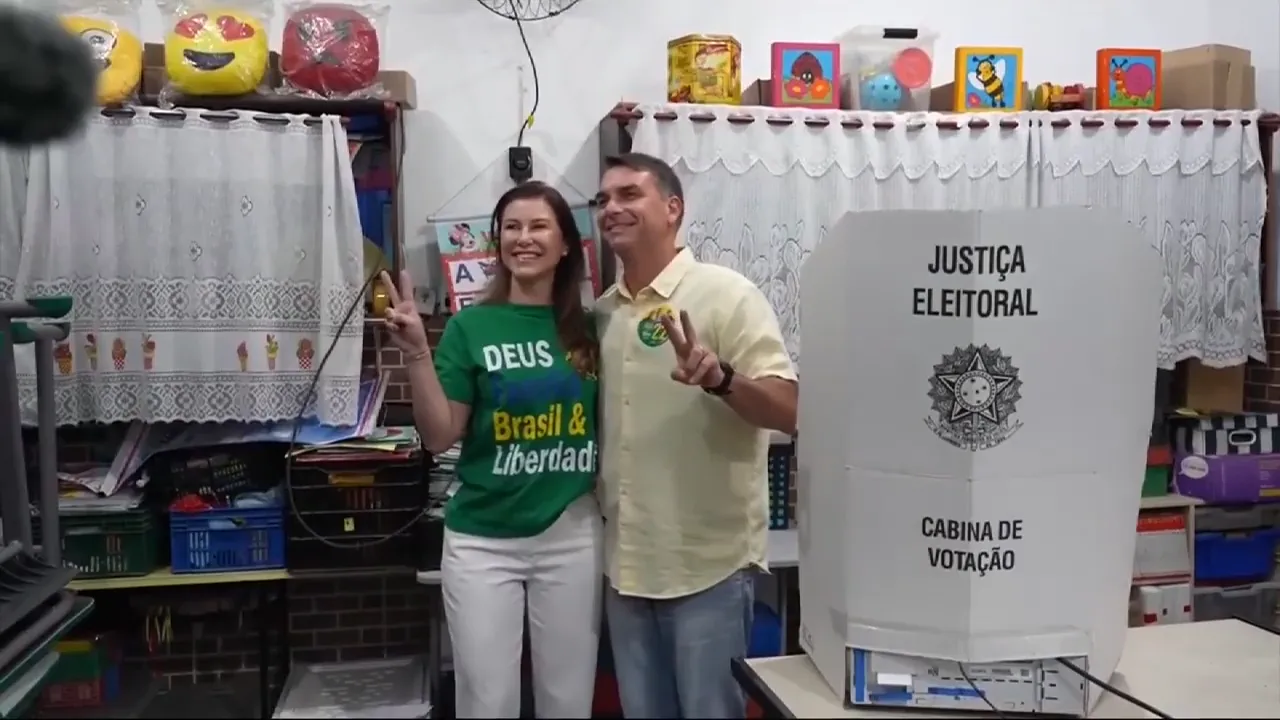 Photo: WSVN 7News
Key points
Brazilians voted on 25 October 2026 in a tight presidential runoff between incumbent Lula and Senator Flávio Bolsonaro, who led the first round with 47% against Lula's 45%.
Brazilians voted on Sunday in a polarising presidential runoff between incumbent President Luiz Inácio Lula da Silva and Senator Flávio Bolsonaro, with polls showing the two candidates neck and neck. Both need more than 50% of the vote to become Brazil's next leader in January. The contest will determine whether the United States significantly expands its influence in Latin America.
The vote matters because a win for Flávio Bolsonaro, 45, would mark a pivot to the right by Latin America's most populous country and largest economy, in a year when allies of US President Donald Trump have scored victories in Chile, Peru and Colombia. A victory for Lula would leave Brazil and Mexico with left-of-centre leaders. The two hold opposing views on US-Brazil relations, climate change and social welfare.
Why the runoff matters
Flávio Bolsonaro, a senator and the son of imprisoned former President Jair Bolsonaro, bested Lula by more than 2.2 million votes in the first round earlier this month. He picked up 47% of ballots cast, while Lula trailed with 45%. Historical precedent favours Bolsonaro, as no candidate has ever won the presidency after coming second in the first-round vote.
More than 33 million voters out of nearly 160 million did not turn out in the first round, even though voting is compulsory. Third-party voters and first-round abstentions could decide the runoff. Kelvin Gomes Pimental, a 28-year-old data analyst in Brasilia who voted for a third-party candidate first time, ultimately chose Lula. Diogo Furtado, a 35-year-old Uber driver in Rio de Janeiro, said he would vote blank.
Both campaigns have been hit by corruption suspicions involving family members and allies. Flávio Bolsonaro admitted accepting about $12 million from disgraced former banker Daniel Vorcaro to produce a film on his father's life, and is under investigation for corruption, money laundering and tax evasion in connection with the case. Lula previously spent more than a year in prison on corruption convictions that were eventually annulled.
First-round numbers and turnout
The race has also been shaped by Jair Bolsonaro's 2025 conviction for plotting a 2022 coup; he is under house arrest. Flávio has pledged to seek amnesty for his father if elected. A Reuters report on Saturday revealed a campaign within Trump's State Department to help return the Bolsonaros to power, which Washington denies. Trump has called the case a witch hunt.
Trump imposed a 50% tariff on Brazil in 2025, explicitly linked to Jair Bolsonaro's trial, and later unleashed new levies citing unfair trade practices. Lula has cast the Trump administration's proximity to the Bolsonaro clan as an attempt to sway the election, labelling the tariffs bullying. The next president will name at least three of 11 Supreme Court justices due to retirements.
Scandals shadow both campaigns
As Flávio Bolsonaro voted at a school in Rio de Janeiro, his supporters shouted at Lula's backers. He told journalists, "The time of real change has arrived," adding that Brazil cannot go on another four years on its current trajectory. Lula voted in Sao Bernardo do Campo, where he began his career as a union leader in the 1960s.
Lula, who governed Brazil between 2003 and 2010, has faced a tough reelection battle over cost-of-living and security concerns. His government endorsed a debt relief programme for small businesses, promised free public transport on weekends, and saw the Senate back ending the six-day working week. Bolsonaro made a tough-on-crime approach the cornerstone of his campaign, pledging maximum-security jails and lower food costs.
What voters said at polling stations
Voters split on the choice. Luzia da Souza, who runs a bar in Rio de Janeiro, called Lula "a man of the people," while Fabianne Borges Santoro, a 45-year-old physiotherapist, said things are really expensive and taxes too high. Elenildes dos Reis, a 60-year-old lawyer in Sao Paulo, said voting for Lula was a way of standing up to Trump.
Polls showed the candidates practically tied going into the runoff, with Lula closing the gap in the final days. Flávio Bolsonaro's first-round win sent Brazil's markets and currency soaring on expectations of pro-business reforms, and was mirrored in congressional elections for his Liberal Party, which could pave a legislative path for him or complicate governance for Lula.
The winner will take office in January as Brazil's next leader, with the runoff result expected to be known after polls close on Sunday, 25 October 2026. The incoming president will also confront the naming of at least three Supreme Court justices and the fallout from US tariffs on Brazilian trade.
Frequently asked questions
Who is running in Brazil's presidential runoff?
Incumbent President Luiz Inácio Lula da Silva faces Senator Flávio Bolsonaro, 45, son of former President Jair Bolsonaro. Flávio led the first round with 47% of ballots against Lula's 45%, a gap of more than 2.2 million votes.
What are the main issues in the election?
The candidates hold opposing views on US-Brazil relations, climate change and social welfare. Lula has focused on cost-of-living relief and debt relief for small businesses, while Bolsonaro campaigned on tough-on-crime policies and lower food costs.
Why does the outcome matter for US influence in Latin America?
A win for Bolsonaro would extend a wave of right-wing victories for Latin American candidates friendly to President Trump, while a fourth mandate for Lula would disappoint Washington, which has clashed with his government over trade and security.