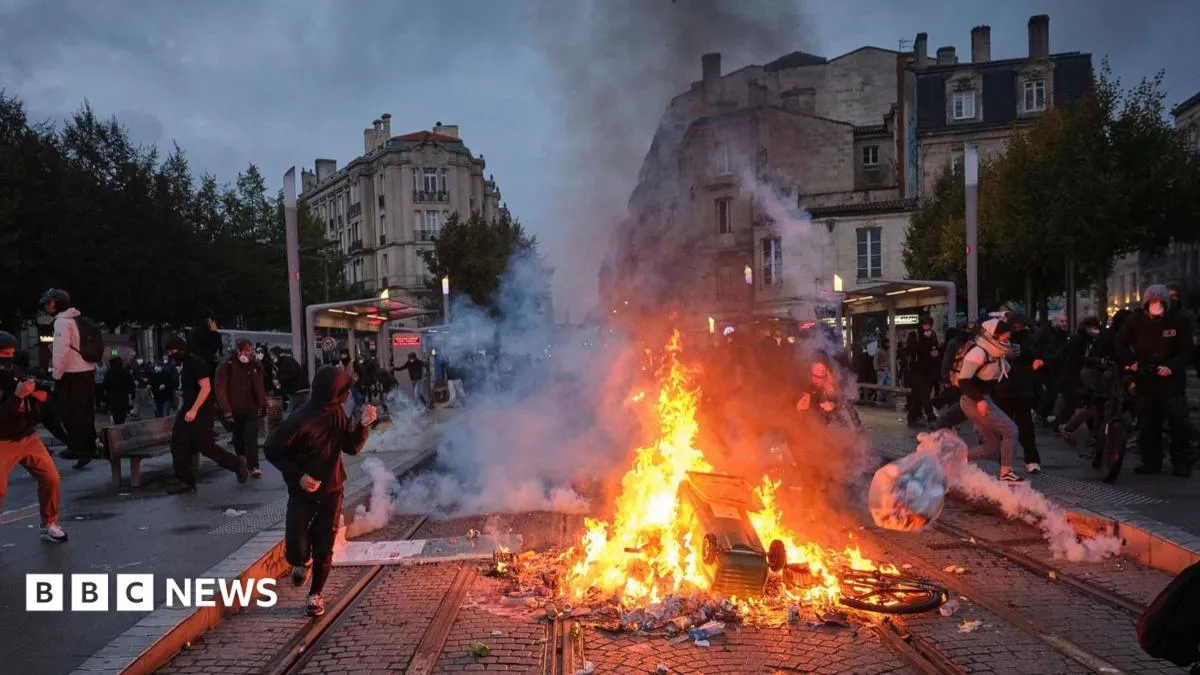
Israel to close all West Bank land crossings on election day
The Israel Defense Forces said on Sunday that all land crossings between Israel and the West Bank would close during Tuesday's parliamentary election on October 27, after a deadly attack near Hebron.
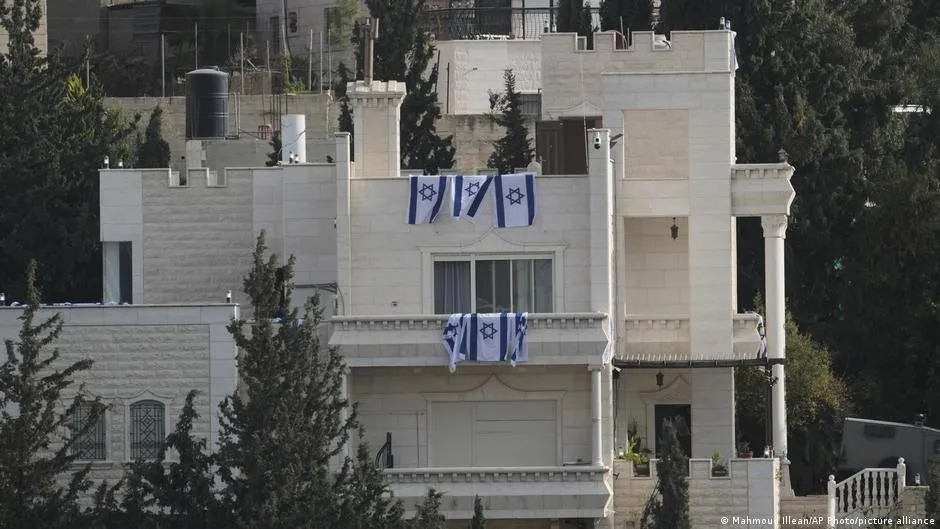 Photo: Deutsche Welle
Key points
Israel will close all West Bank land crossings on election day, October 27, following a deadly shooting near Hebron.
The Israeli military said on Sunday that all land crossings between Israel and the West Bank would be closed during Tuesday's parliamentary election on October 27. The announcement came amid an ongoing Israeli military operation in the West Bank following a deadly attack by Palestinian gunmen near the city of Hebron on Friday.
The closure matters because it restricts Palestinian movement during Israel's election, at a time when Prime Minister Benjamin Netanyahu faces a tough battle to secure a new term. The Israel Defense Forces said it would enforce a ban on the entry and exit of Palestinian workers as well as the closure of all land crossings throughout Election Day on October 27.
What the closure covers
The Israel Defense Forces said that, from Sunday, Palestinians would not be permitted to enter Israeli communities in Judea and Samaria and the Jordan Valley for work. The military added that from Sunday through Monday, Palestinian workers would also not be permitted to enter Judea, Samaria or the Jordan Valley to work, with the exception of industrial zones and a few other approved areas.
Two Israeli soldiers were killed and three others injured in the attack near Hebron on Friday, according to the Israel Defense Forces, which said the two suspected attackers were also killed. The Palestinian militant group Hamas hailed the attack but did not claim credit for carrying it out. Prime Minister Benjamin Netanyahu vowed to exact a heavy price for the attack.
Displacement figures differ across sources. The mayor of Hebron, Yousef al-Jabari, told broadcaster Al Jazeera that some 2,200 people had been forced from their homes since Israeli raids began on Friday. The Palestinian News Agency (Wafa) reported on Sunday that more than 200 families have been displaced in Hebron over the past three days, with around 2,500 people forcibly removed from their homes in the al-Jilda and Ain Deir Baha areas.
Displacement figures diverge
The Israel Defense Forces said it had launched a targeted operation around Hebron that aimed to dismantle terrorist infrastructure and prevent future attacks. The military said that to reduce the risk to civilians, civilians were permitted to temporarily leave the area through designated screening points, and that no civilians were forced to evacuate. The Israel Defense Forces said it had been operating in 40 areas throughout the West Bank on Friday and Saturday.
B'Tselem, an Israeli human rights group, condemned Israeli plans to forcibly displace Palestinian residents from their homes and carry out widespread destruction in the area, and called on the international community to act immediately to put a stop to Israel's campaign in Hebron. Israeli Defense Minister Israel Katz confirmed the displacement figure, telling Israeli broadcaster Kan that Palestinians will not be allowed to return until we've finished dealing with all the Hamas issues in Hebron.
Hebron accounts for about 40 percent of Palestinian industrial output and 30 percent of exports, but economic activity has been badly affected by recent Israeli restrictions and assaults. Economic researcher Ahmed Abu Qamar said any restrictions imposed on Hebron or closures of its outlets will put pressure on the entire Palestinian economy in the West Bank.
Economic stakes in Hebron
Hebron has the highest concentration of military obstacles in the West Bank, with about 40 percent of the 89 main checkpoints in the occupied territory concentrated in the city's most highly restricted zones. Israeli authorities installed three iron gates across a 200-metre stretch of the Old City in early October, further cutting off historical commercial arteries such as Shuhada Street.
Thousands of people took to the streets of Tel Aviv on Saturday to protest against the government ahead of Tuesday's election. The rally was organised by the October Council, a group set up by families of victims and hostages taken by militants during the attacks. The group wrote on social media on Sunday that the coming Tuesday, we're all going out to vote.
Israel's far-right finance minister, Bezalel Smotrich, who also holds a Defense Ministry position overseeing civilian affairs in the West Bank, said he personally ordered the immediate demolition of a row of illegal structures in the territory following Friday's shooting. He wrote on social media that anyone who messes with us will quickly understand that he will pay a painful price.
The Israel Defense Forces said it had apprehended approximately 40 suspects, including terrorists affiliated with the Hamas and Islamic Jihad terrorist organizations. Netanyahu vowed the response so far would be followed by an operation on a scale not seen since Israel first occupied the West Bank in 1967. The parliamentary election takes place on October 27.
Frequently asked questions
When will Israel close the West Bank crossings?
The Israel Defense Forces said all land crossings between Israel and the West Bank will be closed during Tuesday's parliamentary election on October 27, and that a ban on the entry and exit of Palestinian workers would be enforced throughout Election Day.
Why is Israel closing the crossings on election day?
The closure followed a deadly attack by Palestinian gunmen near Hebron on Friday, in which two Israeli soldiers were killed and three others injured, according to the Israel Defense Forces, which launched a military operation in response.
How many people have been displaced in Hebron?
Figures differ: the mayor of Hebron, Yousef al-Jabari, told Al Jazeera that some 2,200 people had been forced from their homes, while the Palestinian News Agency (Wafa) reported around 2,500 people forcibly removed from their homes in the al-Jilda and Ain Deir Baha areas.