Carney says Canada could turn to Chinese automakers if US talks fail
Canadian Prime Minister Mark Carney said on 16 November that Canada could seek European or Asian auto partners, including Chinese automakers, if US trade talks fail.
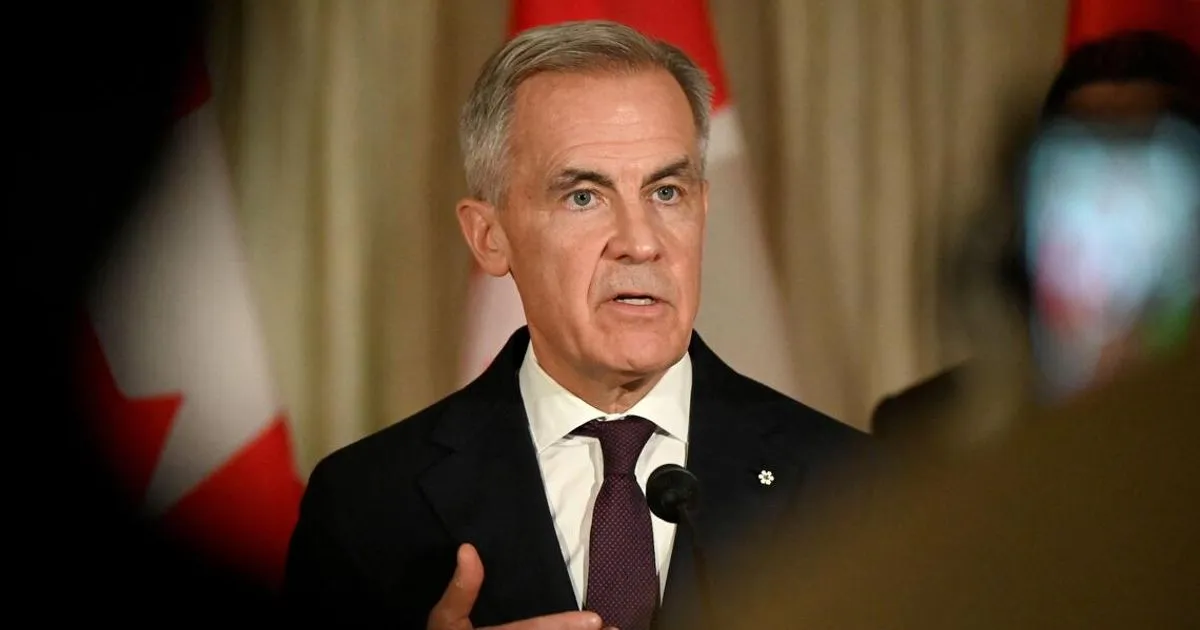 Photo: The Straits Times
Key points
Carney said Canada could turn to Chinese automakers if US trade talks fail to preserve an integrated North American auto industry.
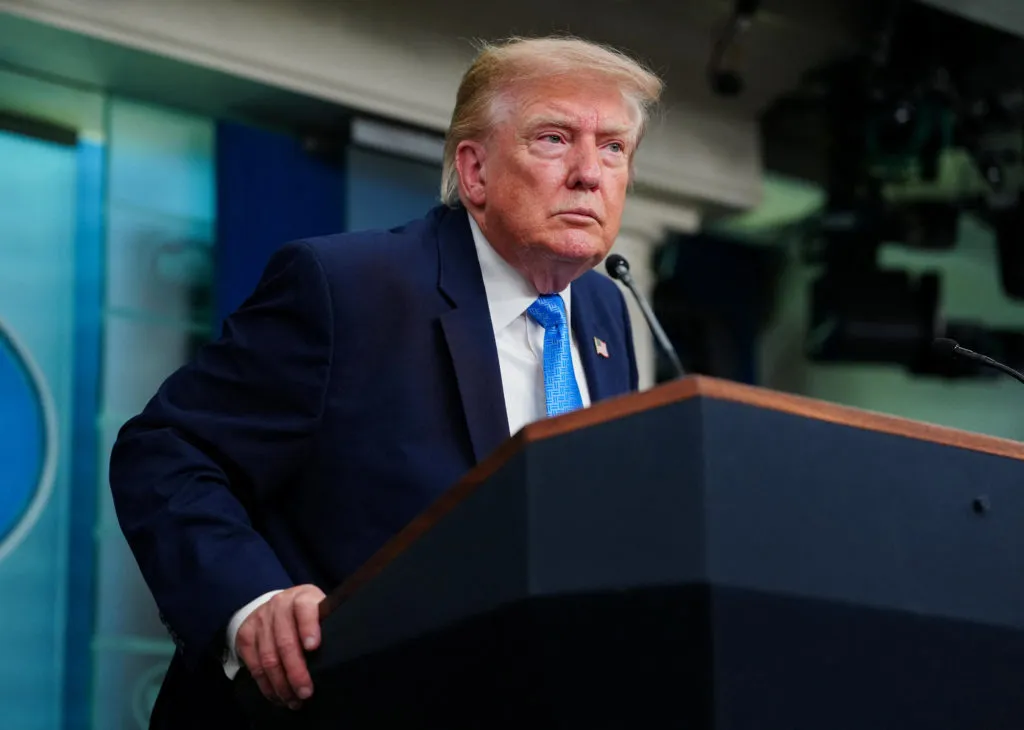
Canadian Prime Minister Mark Carney said on 16 November that Canada could turn to Chinese automakers if trade negotiations with US President Donald Trump fail to preserve an integrated North American auto industry. Speaking to reporters in Cambodia, Carney said the North American market "has become less integrated because of US trade actions." He was referring to Trump's 25% tariffs on cars built in Canada and Mexico.
US tariffs disrupt supply chain
The Detroit Three – Ford, General Motors and Stellantis – operate factories across Canada, the US and Mexico, with parts sometimes crossing borders multiple times before a vehicle is completed. Trump has repeatedly pushed automakers to move production to the US from Canada. Carney said negotiations with the US remain his priority, but their outcome could determine whether Canada pursues alternatives involving European, Chinese or Japanese automakers.
Asked whether potential Chinese investment was leverage in US negotiations, Carney replied: "It's not leverage. But action, reaction." He said Canada has productive workers, an important car market and large manufacturing facilities. "If they're not fully utilised in a North American context that provides other opportunities, Canada's going to move forward either way," he said.
Carney said any Chinese investment would have to involve substantial manufacturing in Canada rather than simply assembling imported parts. He said it would require proper labour standards, manufacturing facilities and domestic supply chains that expand over time, including Canadian critical minerals used in electric vehicles. "It's not just about kit cars," he said. "There has to be a manufacturing aspect involved."
Conditions for Chinese investment
Under a January agreement, Canada reduced its 100% tariff on Chinese electric vehicles to 6.1%, initially allowing up to 49,000 vehicles annually, with the cap increasing over time. In exchange, China agreed to lower tariffs on Canadian agricultural products, including canola. Carney said at the time that he expected the agreement to attract Chinese investment in Canada's auto industry and create jobs.
The deal drew criticism from Ontario Premier Doug Ford, whose province is the centre of Canada's auto industry. Ford warned that allowing Chinese electric vehicles into Canada could threaten Canadian jobs and jeopardise access to the US market. Trump administration officials have also criticised Carney's government for opening up its market to Chinese automakers.
January deal and criticism
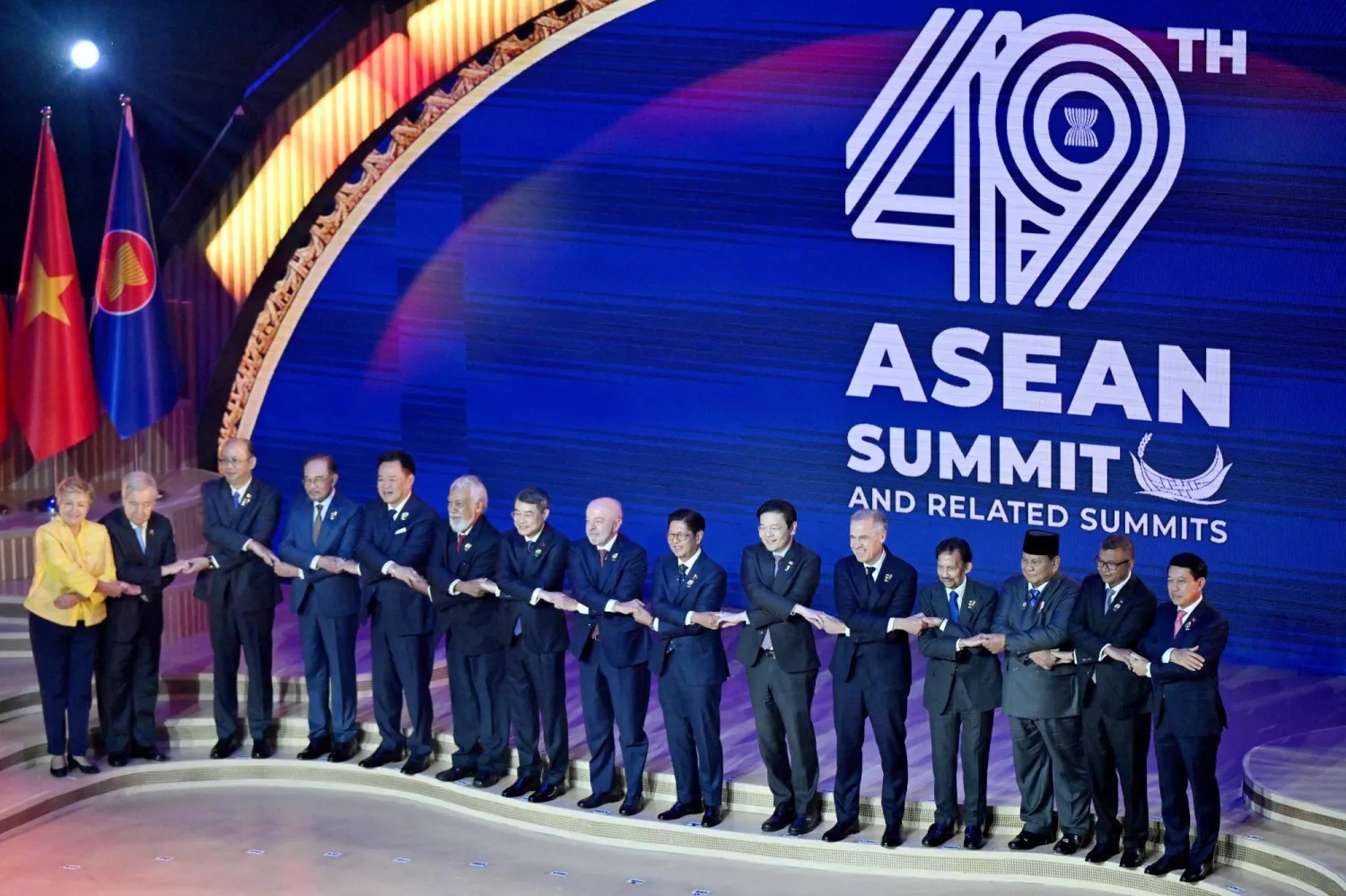
Carney is in the midst of a lengthy trip to attend summits in Europe and Asia, and is preparing to fly to China for the Asia-Pacific Economic Cooperation meeting. On 17 November, he is set to have a separate sit-down with Xi. Trump is also expected to attend the APEC summit, but it is not yet known if he and Carney will meet separately. Mexican President Claudia Sheinbaum has said she plans to meet Carney while at APEC.
Carney also said he and Xi are looking to expand trade opportunities that can help farmers, businesses and consumers in both countries. "We've established pretty clear guardrails on the areas that we're going to focus on," he said. He listed food security, financial services, and energy trade – both Canadian energy supply into China along with Chinese clean energy technology entering Canada – as the main priorities.
Frequently asked questions
What did Carney say about Chinese automakers?
Carney said Canada could turn to Chinese automakers if US trade talks fail to preserve an integrated North American auto industry. He said any Chinese investment must involve substantial manufacturing in Canada, not just assembling imported parts.
When will Carney meet Xi Jinping?
Carney is set to meet Xi Jinping on 17 November in Shenzhen, China, where auto manufacturing is expected to be discussed. The meeting comes ahead of the APEC summit.
What is the January agreement between Canada and China?
Under the January agreement, Canada reduced its 100% tariff on Chinese electric vehicles to 6.1%, initially allowing up to 49,000 vehicles annually. In exchange, China agreed to lower tariffs on Canadian agricultural products, including canola.