COP31 ends in Antalya with no deal as EU rejects text omitting fossil fuels
The UN climate summit in Antalya ended on 22 November without a final agreement after the EU and dozens of countries rejected a cover text that did not mention fossil fuels, 48 hours late.
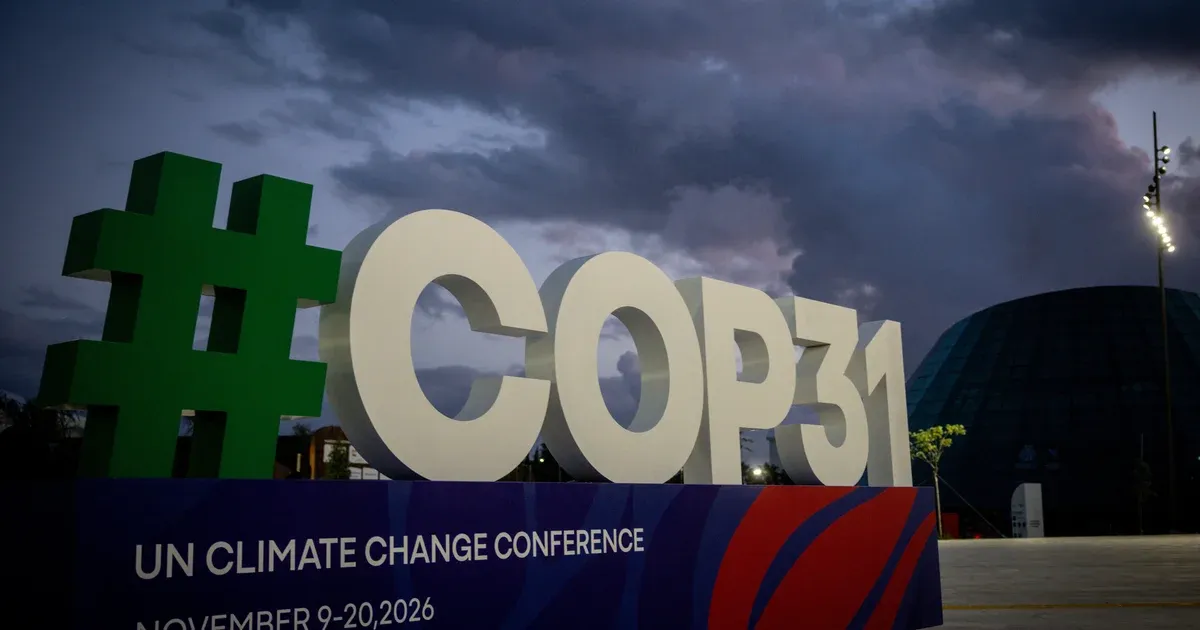 Photo: CBS News
Key points
COP31 in Antalya ended without a final agreement after the EU and dozens of countries rejected a draft that did not mention fossil fuels.
The COP31 climate summit in Antalya, Turkey, ended on 22 November without a final agreement after the European Union rejected the proposed cover text in the closing plenary. The conference, which began on 9 November, ran 48 hours past its scheduled finish, becoming the longest COP summit in history. The collapse turned on a single omission. The draft cover text, the overarching document setting out the summit's decisions, did not mention fossil fuels. The EU and dozens of other countries refused to accept it, and the conference ended with large parts of its mandated business unachieved.
Why the EU walked away
Ireland's climate minister, Darragh O'Brien, speaking for the EU in Antalya, said the bloc would not endorse a text that did not name the main driver of climate change. "We will not accept a COP that greenwashes fossil fuel," he said. Britain, Belize, Fiji, the Marshall Islands, Norway, Panama and Vanuatu backed the EU's position.
COP31 President Murat Kurum, Turkey's environment minister, told viewers in televised comments from Antalya that the draft had not been adopted for lack of consensus. Conference rules require unanimous agreement, so a single nation's dissent can derail a deal. Kurum said he did not impose the text on anyone. The fight had been visible for days. An initial draft had called for "accelerated action to phase out fossil fuels" and urged an end to inefficient fossil fuel subsidies. That language was gone days later, reflecting divisions over timelines and financing. Later drafts still avoided mentioning fossil fuels.
What the drafts said
Those later drafts instead set targets to capture billions of tons of carbon dioxide annually from the atmosphere by 2035, using technology critics say distracts from cutting fossil fuel use. They also called for electricity to supply more than a third of the world's energy by the same deadline, alongside goals on renewable energy and efficiency.
Saudi Arabia and Russia opposed language on transitioning away from fossil fuels, and the final text contained none. The final text of what was to have been the "Antalya pact" avoided any mention of transition from fossil fuels while including bullish language on scaling up carbon capture and storage. Climate-vulnerable countries have criticised that approach as a fig-leaf for continued fossil fuel use.
The United States sent no representatives to the conference for the second year in a row, following the Trump administration's withdrawal from the 2015 Paris Agreement. That accord set a goal of limiting warming to 1.5 degrees Celsius above preindustrial levels, a target the world is now poised to overshoot.
The joint presidency problem
Australia's climate and energy minister, Chris Bowen, who shared the COP31 presidency with Kurum as Turkey and Australia jointly hosted, said talks broke down over "unbridgeable red lines". He said the situation coming into the summit was the most complicated and fraught geopolitical environment in living memory. The joint structure was a first for the talks.
The failure was not total. The conference adopted some decisions mandated by previous meetings and the Paris Agreement, including a programme to stop poorer countries' development being curtailed by the expense and difficulty of shifting to renewable energy. Measures meant to help countries cut emissions faster were at best kicked down the road.
UN Secretary-General António Guterres said in a statement that he was "deeply disappointed" by the outcome. "There may be no consensus in the negotiating room. There is no ambiguity in the science," he said. Simon Stiell, executive secretary of the UN Framework Convention on Climate Change, told the resumed plenary: "We must evolve."
Drafted text had expressed "deep concern" that warming at its peak is projected to exceed 1.5 degrees, and warned that every increment of additional warming increases the frequency and intensity of climate-related loss and damage. It noted that full implementation of current national plans would put the world on track for just over 2.5 degrees of warming, down from projections of more than 4 degrees before the Paris accord.
The summit closed in a year of record heat, with this year's temperature likely to stand at something like 1.6 degrees Celsius above the pre-industrial norm. The warming effects of the current El Niño event boosted that figure, but the world is moving past the 1.5 degrees it promised at Paris to try to prevent, and doing so sooner than most had expected.
Frequently asked questions
Why did COP31 end without a deal?
The European Union and dozens of other countries rejected the proposed cover text because it did not mention fossil fuels. Conference rules require unanimous agreement, so the objection blocked adoption of the text in the final plenary on 22 November.
Where and when was COP31 held?
COP31 was held in Antalya, Turkey, beginning on 9 November. It ran 48 hours past its scheduled finish and ended on 22 November without a final agreement, becoming the longest climate summit in history.
What did the final draft say about fossil fuels?
The final text of what was to have been the "Antalya pact" avoided any mention of a transition from fossil fuels. An initial draft had called for accelerated action to phase out fossil fuels, but that language was gone days later.