Cop31 draft calls for immediate fossil fuel transition
Negotiators at Cop31 in Antalya published an 18-page draft on 16 November calling for an immediate transition away from fossil fuels, with a final deal due by 20 November.
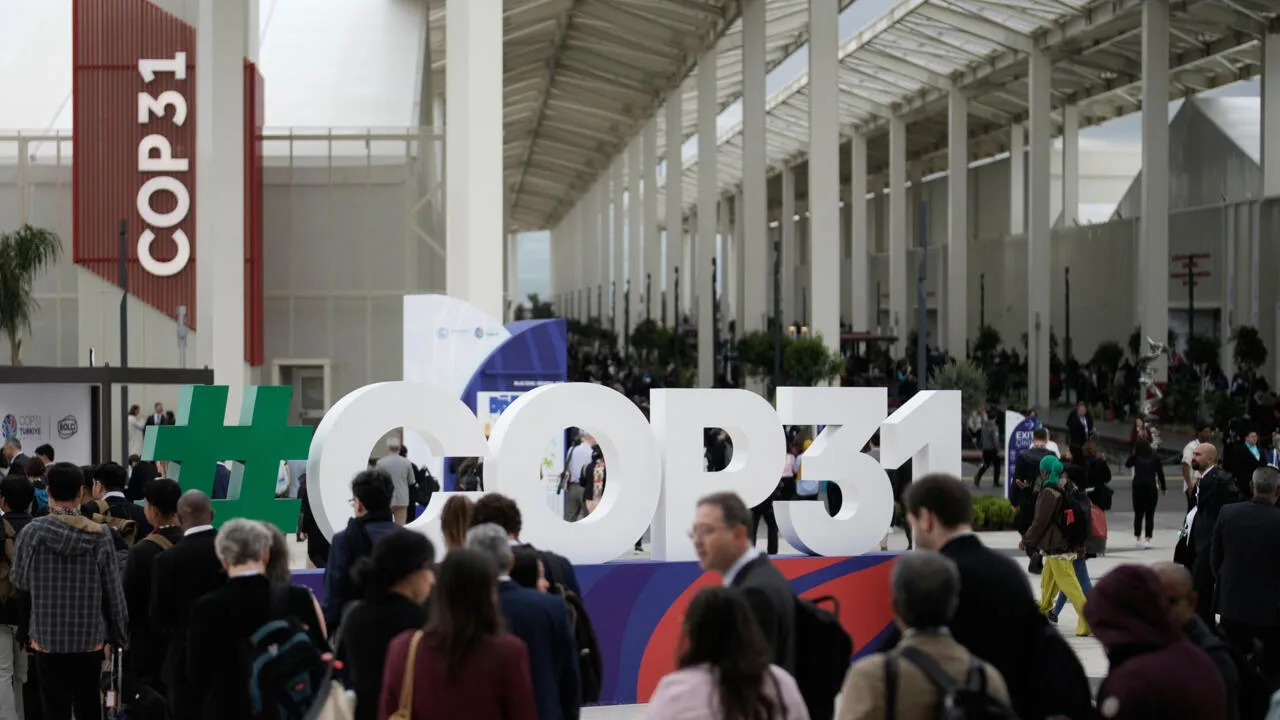 Photo: RFI
Key points
Cop31 negotiators published an 18-page draft on 16 November calling for an immediate transition away from fossil fuels, with a final deal due by 20 November.
Negotiators at the Cop31 climate talks in Turkey on Monday published an 18-page draft deal as part of their efforts to narrow the gaps between dozens of countries over the use of fossil fuels and providing money to help poorer countries tackle the effects of climate change. The draft was released on 16 November, with the summit scheduled to close on 20 November.
The draft contains a call for an "immediate" exit from fossil fuels in the energy sector. It also includes two competing approaches to fossil fuels: one reiterating language agreed in 2023 calling for a "transitioning away" from fossil fuels, and another proposing their "phase out".
Two competing fossil fuel approaches
Chris Bowen, Australia's climate change and energy minister and lead negotiator under a shared presidency arrangement with Turkey, acknowledged that the document contained proposals that would prove contentious. "There are elements in this draft that not all parties will agree on," Bowen said. "That is a given. There are things in here that Australia and the Pacific have strongly advocated for and fought for."
The draft also highlights disagreements over a Turkish proposal to increase electricity's share of global energy consumption to 35 percent by 2035, as well as the level of financial assistance wealthy nations should provide to help poorer countries adapt to climate change. The Turkish proposal comes without a requirement for the electricity to come from renewable sources.
The document proposes tripling funding for developing countries to prepare for climate disasters to $120 billion a year, a goal that will be difficult for developed countries struggling with budgetary pressures at home. The draft also backs carbon dioxide removal, which campaigners say risks giving polluters an excuse to delay cutting emissions.
Contentious proposals in the draft
The 18-page, 144-paragraph draft appears to be a sprawling compilation of most of the competing priorities put forward by countries participating in the negotiations, quickly categorised by observers as being too long, lacking clarity, and with "a lot of weeds that need to be pulled out," according to Mohamed Adow of think tank Power Shift Africa.
It is "best described as a mish-mash of contradictory proposals that stand little chance of making it into the final outcome text," says Asad Rehman, chief executive of Friends of the Earth. "The draft text makes the right diagnosis, but the medicine it offers could have deadly side effects," adds Romain Ioualalen of advocate group Oil Change International.
Bowen stressed that the document did not represent the presidency's preferred outcome, but was intended to provide a starting point for further negotiations. "Drafts often start quite broad and get refined down but each draft is a step towards more common ground," he said, adding that he expected at least one more version before the end of the week.
Reactions and next steps
Cosima Cassel, programme lead for climate diplomacy and geopolitics at environmental think tank E3G, said the preliminary draft was unusually long. "The approach looks to be putting it all in and letting parties fight for the trade-offs. The test will be whether the final decision keeps the core elements once that process plays out," she said. A final agreement is expected at the close of the 11-day conference in Antalya on 20 November. Negotiators face a Friday deadline to reach a deal, although previous climate summits have frequently run over time.
Frequently asked questions
What does the Cop31 draft deal say about fossil fuels?
The draft contains two competing approaches: one reiterating language agreed in 2023 calling for a 'transitioning away' from fossil fuels, and another proposing their 'phase out'. It also calls for an 'immediate' exit from fossil fuels in the energy sector.
When is the final Cop31 agreement expected?
A final agreement is expected at the close of the 11-day conference in Antalya on 20 November. Negotiators face a Friday deadline to reach a deal, although previous climate summits have frequently run over time.
What other proposals are in the Cop31 draft?
The draft includes a Turkish proposal to increase electricity's share of global energy consumption to 35 percent by 2035, and proposes tripling funding for developing countries to prepare for climate disasters to $120 billion a year.