DOJ gives California 48 hours to check noncitizen voter rolls
The Justice Department gave California until late on 15 October to verify whether people on a federal list of possible noncitizens were mailed ballots for the 3 November election.
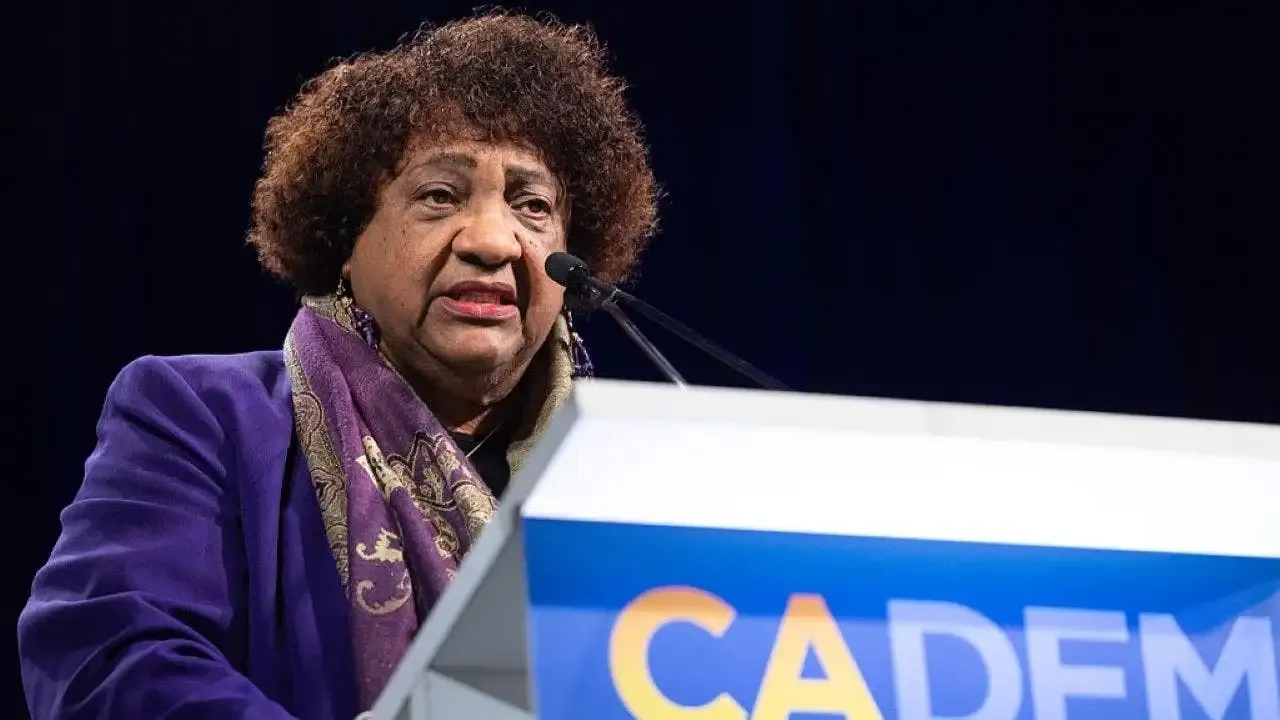 Photo: Fox News
Key points
The Justice Department gave California 48 hours to check whether people on a federal list of possible noncitizens were mailed ballots for the 3 November election.
The Justice Department gave California 48 hours to check whether people on a federal list of possible noncitizens were mailed ballots for the 3 November election, or face emergency court action. Acting Deputy Attorney General Trent McCotter set the deadline in a letter dated 13 October to Secretary of State Shirley Weber, and it expires later on 15 October.
The demand matters because it puts a federal deadline on state election work days before voters cast ballots, and because it follows a Supreme Court order on 25 September that let states use a federal citizenship data tool for now. What is new is the 48-hour clock itself and the threat of emergency litigation if California does not act on the list.
What the letter demands
McCotter's letter told state officials to examine the names and verify each person's citizenship status. For anyone whose citizenship cannot be independently confirmed, he asked officials to segregate — not cancel — that person's vote-by-mail ballot until status is determined. For people not yet sent a ballot, he directed officials to take immediate steps not to provide one until federal officials confirm citizenship.
The list of names went to Los Angeles County election officials on a password-protected thumb drive, and a spokesperson for the Registrar-Recorder confirmed the letter's receipt. A person familiar with the situation said comparable letters went to other counties across California. Federal officials believe some people on the list may have received mail-in ballots without being U.S. citizens.
McCotter warned that failure to act would force the federal government to court. "If you cannot implement this process by then, given the ongoing federal election, the United States will have no choice but to seek emergency relief," the letter states. The deadline came after Homeland Security Secretary Markwayne Mullin told California's secretary of state in July that noncitizens were registered on the state's voter rolls.
California's response to the demand
Weber protested the federal demands in a statement on 14 October, tying them to earlier claims. She said President Trump and Mullin made what she called unsubstantiated claims in July that California had 190,000 non-citizens on its voter rolls, and that her office asked for the methodology and data sources behind them. "They refused and provided California with nothing," Weber said.
Weber said the Justice Department demands California trust the administration without evidence or legal authority, and that its efforts to access protected voter data and purge rolls cause chaos and fuel public distrust. She said California law requires that only U.S. citizens register to vote and that any non-eligible registrants are removed, and that her office remains committed to a fair 2026 General Election.
The Supreme Court's September order
The dispute sits on a Supreme Court emergency order issued on 25 September, which let states use the Department of Homeland Security program called Systematic Alien Verification for Entitlements, or SAVE, to verify voter eligibility for now. The order put on hold a June ruling by U.S. District Court Judge Sparkle L. Sooknanan, who had blocked the revamped tool as illegal.
Judge Sooknanan found that the revamped SAVE program violated Americans' privacy rights and could result in voters being wrongly removed from the rolls. The Supreme Court's order allowed states to use SAVE in the meantime, the same approach the Justice Department took in the California case, while the underlying challenge continues.
The federal push follows an executive order signed by President Trump directing creation of a federal voter registration list and imposing new restrictions on eligibility for voting by mail, part of a broader effort to combat voter fraud. The administration has heightened scrutiny of state voter rolls since taking office, and gave New Jersey 5 days to hand over voter data. Homeland Security has alleged that more than a quarter-million noncitizens may be registered to vote in 4 key states, a figure California has not accepted without supporting methodology. The Justice Department's 48-hour deadline expires later on 15 October, and the November 3 election follows on 3 November.
Frequently asked questions
How long does California have to review the voter list?
Acting Deputy Attorney General Trent McCotter's letter, dated 13 October, gave officials 48 hours to verify citizenship status for people on the list, with the deadline expiring later on 15 October.
What does the Justice Department want done with the ballots?
McCotter asked officials to segregate — not cancel — mail-in ballots for people whose citizenship cannot be confirmed, and to withhold ballots from people on the list who have not yet received one.
What has California said in response?
Secretary of State Shirley Weber said the federal government refused to share its methodology or data sources behind claims of 190,000 non-citizens on California's voter rolls, and demanded action without evidence or legal authority.