Justice Department charges James Comey a third time in Washington
The Justice Department charged former FBI director James Comey on 26 October 2026 with two counts of leaking national defense information, filed as a criminal information to preserve a statute of limitations expiring in October.
 Photo: UPI
Key points
The Justice Department charged former FBI director James Comey with two counts of leaking national defense information, the third time it has brought criminal charges against him.
The U.S. Justice Department charged former FBI Director James Comey with federal crimes for a third time, saying he allegedly leaked a national security document. The charges were unsealed on 26 October 2026, hours after a federal judge ruled that the department unlawfully fired Comey's daughter, Maurene Comey, last year from her position as an assistant U.S. attorney for the Southern District of New York.
The charges mark the third time the Trump administration has brought criminal cases against Comey, a former Republican who has become an outspoken critic of President Donald Trump since Trump fired him in May 2017. The new case concerns alleged conduct from October 2016, when Comey was FBI director under President Barack Obama, and centers on a New York Times article published on October 5, 2016.
What the filing alleges
Prosecutors allege that Comey knowingly communicated information related to national defense to someone not entitled to receive it, and conspired to violate the law. In the charging document, known as a criminal information, filed on October 5 in U.S. District Court in Washington, D.C., federal prosecutors alleged that Comey, through one or more co-conspirators, directed an unnamed person to disclose national defense information to a reporter for a national news publication.
The case centers on an October 5, 2016, New York Times article titled "Yahoo Said to Have Aided U.S. Email Surveillance By Adapting Spam Filter," written by reporter Charlie Savage. The Justice Department alleges that Comey sought to correct misinformation that had appeared in the press by way of Reuters the day before, and directed staff to speak with the Times reporter about the accuracy of the Reuters article.
The charges were filed through a criminal information rather than a grand jury indictment, in an effort by federal prosecutors to toll the statute of limitations. A Justice Department spokesperson said filing a criminal information to toll the statute of limitations is a widely recognized practice in federal court and has been approved by multiple Circuit Courts of Appeals. The spokesperson added that this is an ongoing criminal investigation.
How the charges were filed
A criminal information does not require approval by a grand jury or a finding by a magistrate judge of probable cause. The crime the government is seeking to charge Comey under has a 10-year statute of limitations, which would run out in October 2026. Comey's lawyers argue the statute of limitations applies to indictments and cannot be extended if the government files a criminal information.
Comey's attorney, Patrick Fitzgerald, said the case was investigated by two different teams of prosecutors during President Donald Trump's first administration and both teams determined against bringing charges against anyone. Fitzgerald said the government filed an information against Mr. Comey that was not approved by a judge nor issued by a grand jury, and that Mr. Comey will fight these charges vigorously and in the open.
In a video statement published to his Substack, Comey rejected the charges, saying it would almost be funny if it weren't such an appalling abuse of the Department of Justice. Comey said nothing has changed with him since the last time he was charged: he is still innocent, still not afraid, and still believes in the independent federal judiciary.
The first Justice Department charges against Comey, for alleged false testimony to the U.S. Senate, were dismissed in November 2025 after a judge found the prosecutor handling the case was unlawfully appointed. In April, a federal grand jury in North Carolina indicted Comey on charges related to posting a photo of seashells arranged to form the numbers "86 47." Comey's attorneys have sought the dismissal of that case.
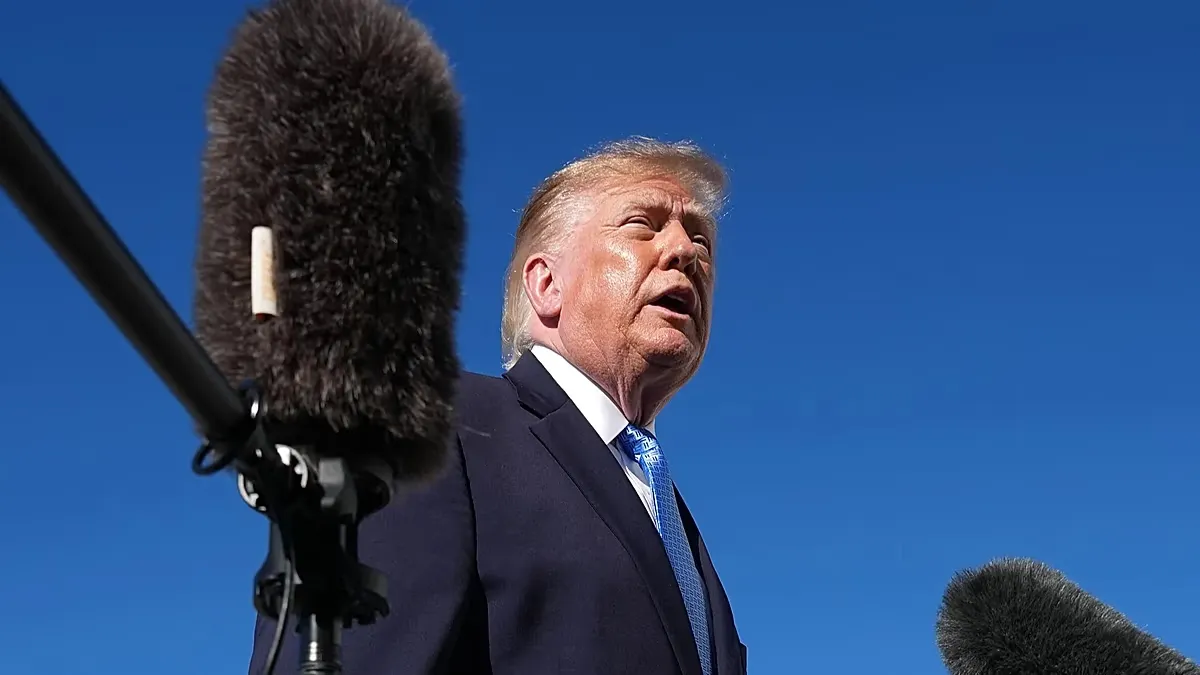
Asked by reporters about the charges against Comey on 26 October 2026, Trump said he didn't know too much about it and had just heard about it, adding that he thinks Comey is a dirty cop. Comey's legal team filed a motion to dismiss the charges last week and has asked the court to unseal the case, which U.S. District Judge Trevor McFadden did on 26 October 2026.
Frequently asked questions
Why was James Comey charged a third time?
The Justice Department charged Comey with two counts of leaking national defense information, alleging he directed an unnamed person to disclose the information to a reporter for a national news publication in October 2016.
How were the charges filed against Comey?
The charges were filed as a criminal information rather than a grand jury indictment, in an effort to toll the 10-year statute of limitations expiring in October 2026.
What did Comey's attorney say about the charges?
Patrick Fitzgerald said the matter was investigated twice during the first Trump administration and both teams determined no charges should be brought, adding that Comey will fight the charges vigorously.