DOJ sends 1,000 election monitors to all 50 states
The US Justice Department deployed 1,000 election monitors to all 50 states on 3 November, the largest monitoring effort in DOJ history, targeting mostly Democratic areas.
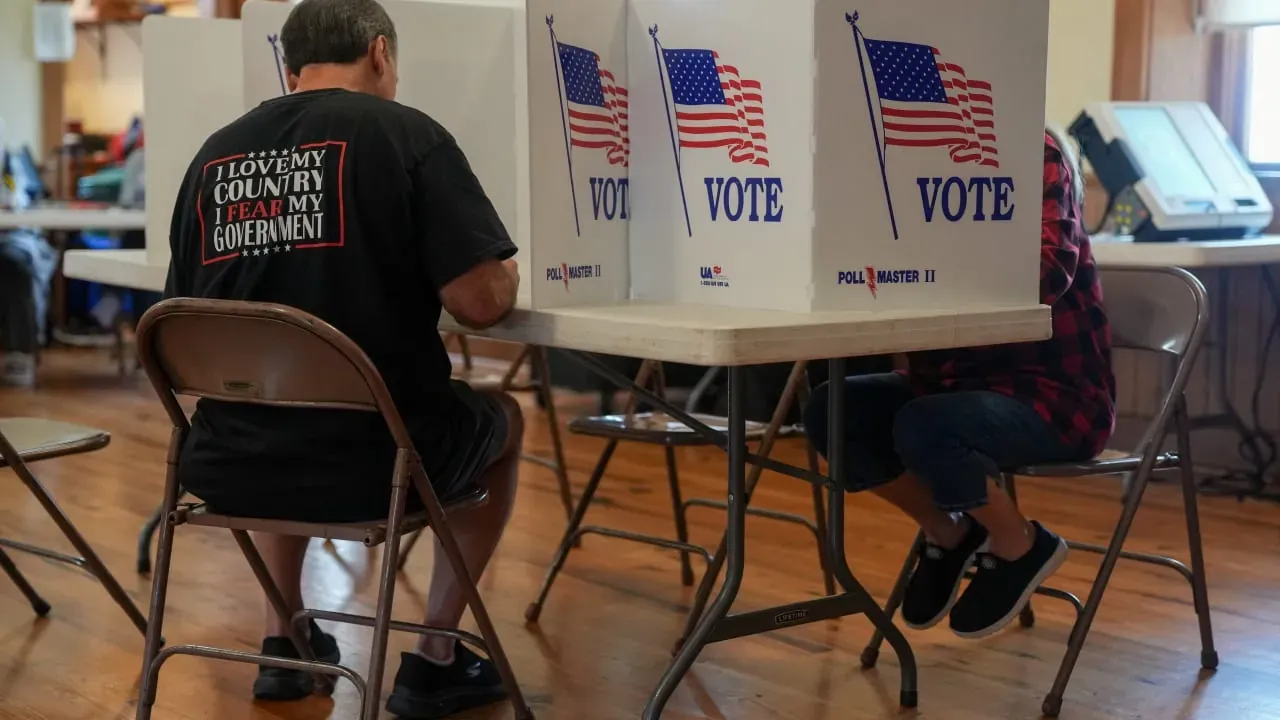 Photo: The Jerusalem Post
Key points
The DOJ sent 1,000 election monitors to all 50 states on 3 November, the largest monitoring effort in its history, focusing on Democratic and minority areas.
The US Justice Department deployed 1,000 election monitors and observers to jurisdictions in all 50 states on 3 November, the largest monitoring effort in the department's history. The monitors are checking compliance with federal voting rights statutes, including the Voting Rights Act, the National Voter Registration Act, and the Help America Vote Act. The effort is coordinated by the Civil Rights Division, with personnel from other DOJ divisions, U.S. Attorney's Offices, and federal observers from the Office of Personnel Management.
The deployment targets predominantly Democratic jurisdictions. Democrat Kamala Harris defeated President Donald Trump in about two-thirds of those jurisdictions in the 2024 presidential election. Black and Latino voters make up a majority in many of the jurisdictions, which are concentrated in states that could determine control of the US Senate. The Trump administration has taken an aggressive approach to election oversight, pressing states for voter-registration data and arguing that stricter measures are needed to ensure public confidence in the vote.
Largest monitoring effort
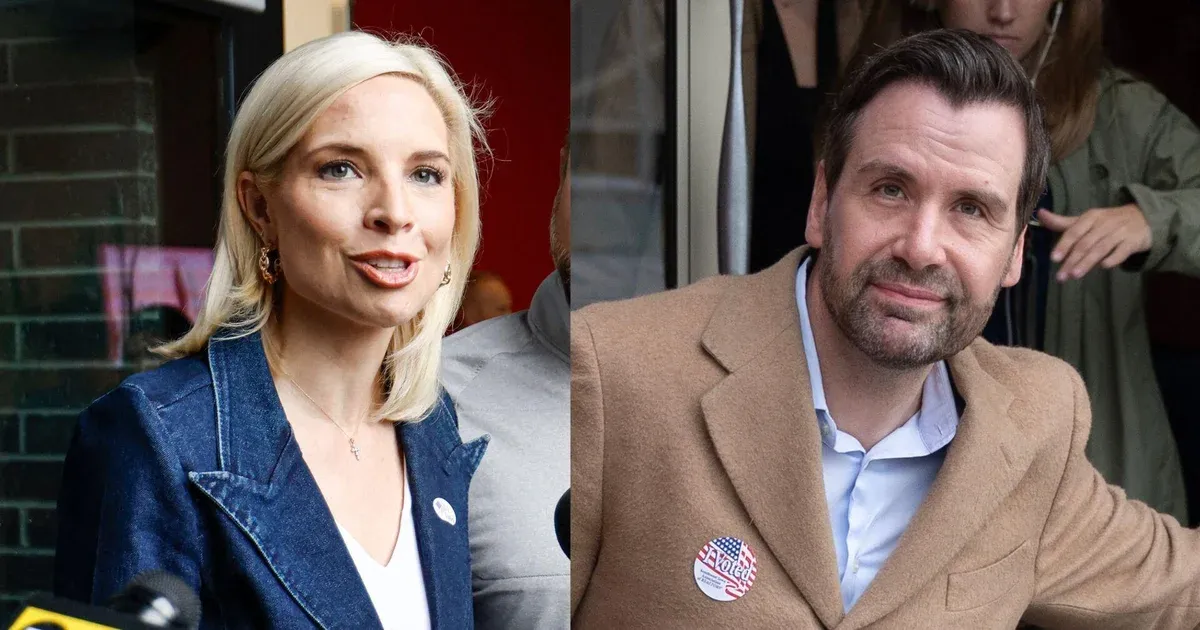
Assistant Attorney General Harmeet K. Dhillon, who leads the Civil Rights Division, said in a statement: "I am very proud we are deploying the largest monitoring effort in DOJ history, and pursuing transparency for elections in an assertive and nondiscriminatory manner." The DOJ has sent election monitors since the enactment of the Voting Rights Act in 1965 across all administrations, but this is the first time it has done so for all states. The expanded programme led several states to issue new guidelines to local election officials and poll workers about the limited authority DOJ observers will have on Election Day.
The DOJ also widened a criminal probe into Alaska's Senate race, where the campaign of Democratic candidate Mary Peltola allegedly helped recruit a third candidate who shares the first and last name of her Republican opponent, Dan Sullivan. Peltola has denied involvement. The department is sending letters to more than 20 people notifying them that they are subjects of the criminal probe, according to a person familiar with the investigation who spoke on the condition of anonymity. One recipient is voting rights lawyer Marc Elias, whose law firm frequently represents Democrats in court.
Alaska Senate probe
Some critics have described the monitoring programme and other actions as potential voter intimidation. The Trump administration asked the Supreme Court to temporarily block California from counting mail-in ballots from more than 20,000 voters, who federal officials allege are likely noncitizens. The Supreme Court rejected that appeal on the night of 2 November. The DOJ staff cannot conduct investigations on the spot or otherwise stop anyone from voting, according to the department.
Some jurisdictions have denied Justice Department requests for access to polling places. Hennepin County, Minnesota, which includes Minneapolis, is one such jurisdiction. In Mississippi, Lafayette County Circuit Clerk Jeff Busby said federal officials did not give his office any specifics about their visit. "We were just told that they would be here, and they would be monitoring the elections," Busby said. "We welcome them, as we would any group." The DOJ said it intended to monitor or observe Lafayette and Hinds counties in Mississippi, and Jefferson, Montgomery, Mobile counties in Alabama.
In Wisconsin, the DOJ sent monitors to both Madison and Milwaukee. The monitors were also sent to traditionally Democratic-leaning areas around the country such as Los Angeles, Chicago and Minneapolis. The DOJ said the effort is part of a nationwide push to ensure election integrity. The monitors will ensure election officials are complying with federal voting rights statutes, including the Voting Rights Act, the National Voter Registration Act, and the Help America Vote Act.
State responses
The deployment comes as the US holds midterm elections on 3 November, with control of the Senate at stake. The DOJ's monitoring effort is the largest in its history, according to Dhillon. The department has long sent monitors to states to observe elections, and senior officials have said they were dispatching observers to ensure compliance with federal law in areas where voters have historically had access issues and could face intimidation efforts in competitive races.
The expanded monitoring programme has drawn criticism from voting rights advocates, who say it could intimidate voters. The DOJ's actions, including the Alaska probe and the California ballot challenge, have been described by critics as potential voter intimidation. The department's monitors will be checking for compliance with federal voting rights statutes that fall within the jurisdiction of the Civil Rights Division, the DOJ said. The Division's Voting Section enforces the civil provisions of federal statutes that protect the right to vote.
Frequently asked questions
How many election monitors did the DOJ send?
The DOJ sent 1,000 election monitors and observers to jurisdictions in all 50 states on 3 November, the largest monitoring effort in its history.
Why did the DOJ send election monitors to all 50 states?
The DOJ said it is checking compliance with federal voting rights statutes, including the Voting Rights Act, and ensuring election integrity. Critics say the move could intimidate voters.
What is the Alaska Senate race probe about?
The DOJ is investigating allegations that the campaign of Democratic candidate Mary Peltola helped recruit a third candidate sharing the name of her Republican opponent, Dan Sullivan. Peltola denies involvement.