UK and EU agree draft deal to scrap food export checks
The draft agreement removes health certificates and red tape before a summit on 20 November this year.
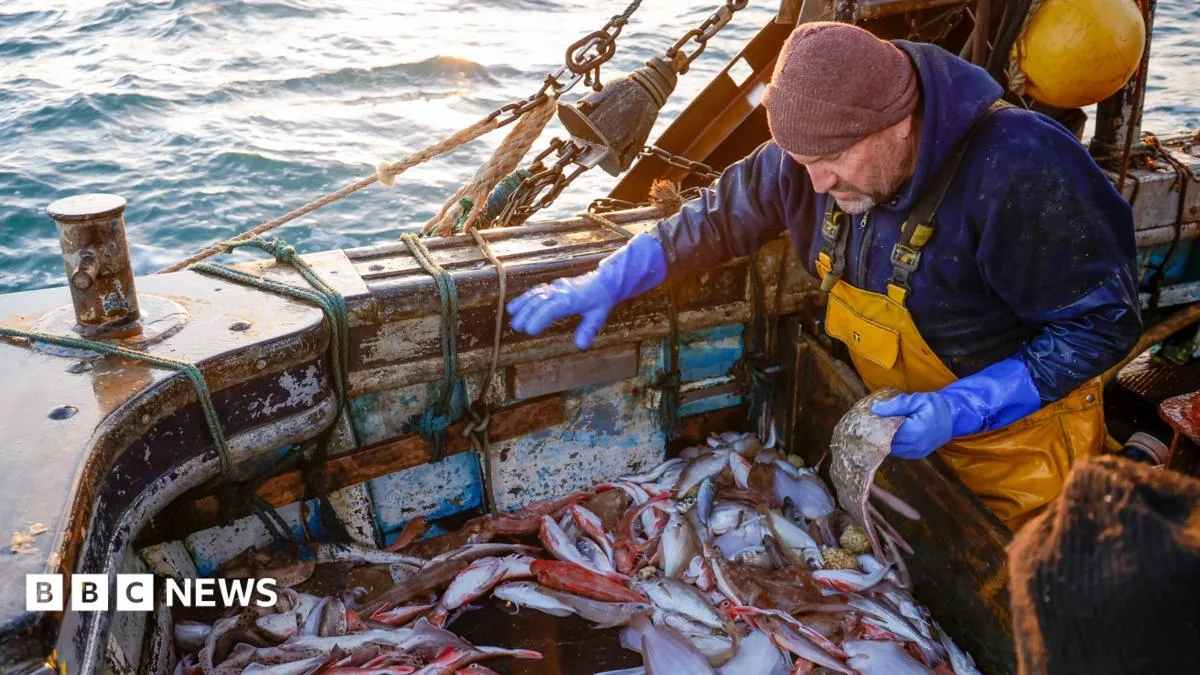 Photo: BBC News
Key points
UK and EU agreed a draft deal to remove post-Brexit food export checks and certificates.
The United Kingdom and the European Union have agreed a draft deal to remove post-Brexit checks on food and agriculture exports. This agreement comes ahead of a UK and EU summit scheduled for later this month. Officials say the deal will end costly paperwork that exporters have faced since the UK left the single market.
The draft text of the sanitary and phytosanitary agreement has been circulated to EU member states in Brussels. It will be considered at a meeting of ambassadors on Wednesday. The document is the most significant part of the so-called Brexit reset that both sides have been negotiating for some time.
What the deal removes
Exporters will no longer need to pay for Export Health Certificates that cost £200 each. They will also avoid £25 Phytosanitary certificates needed to prove plants are free from pests and diseases. These fees have forced many small food producers to stop selling their goods into the European market. Under the new agreement, exports of fresh sausages, burgers, shellfish from domestic waters and seed potatoes would be able to resume. Pet owners will also regain access to passports for British pets being taken into the EU. These changes aim to reduce delays and costs at borders for traders.
In return, the United Kingdom is expected to commit to observing and adapting to existing EU regulations on plant, animal and food trade standards. This process is called dynamic alignment. It means UK rules must change as EU rules change, limiting the country's ability to set its own independent standards.
Dynamic alignment requirement
The government claims the UK economy will eventually see £5.1 billion worth of annual benefits from the agreement. Prime Minister Andy Burnham said at the Commonwealth Heads of Government Meeting in Antigua that a UK and EU deal could add up to 0.4 per cent extra on gross domestic product.
The food deal is part of a wider package that includes proposals on emissions trading and a youth travel and work scheme. A fifteen page draft joint statement for UK and EU top leaders has also been circulated alongside these trade texts for the upcoming summit meeting. Political reactions to the draft deal have been mixed across the United Kingdom. The Liberal Democrat Europe spokesperson called it a patch rather than a fix and said the real solution is to rejoin the single market. Reform UK said returning to any form of alignment with Europe would crush Britain's competitiveness.
Political reactions to deal
Conservative Leader Kemi Badenoch said dynamic alignment with the EU would be a red line and would actually take the country backwards. She pressed the Prime Minister on whether he wanted a referendum on rejoining the bloc during a session of Prime Minister's Questions this week. The Prime Minister said he has not proposed the return of freedom of movement between the United Kingdom and the European Union. He stated that the red lines in the Labour manifesto including on freedom of movement will stay in place firmly for the whole of this Parliament.
Frequently asked questions
What certificates will exporters no longer need?
Exporters will not need £200 Export Health Certificates or £25 Phytosanitary certificates to prove products meet health requirements.
When is the UK and EU summit?
The UK and EU summit where leaders will meet is scheduled for 20 November later this month.
What is dynamic alignment?
Dynamic alignment means the UK commits to observing and adapting to existing EU regulations on food and animal trade standards.