Supreme Court declines Trump request on California ballots
The Supreme Court refused the Trump administration's request to set aside over 20,000 California ballots, with no noted dissents.
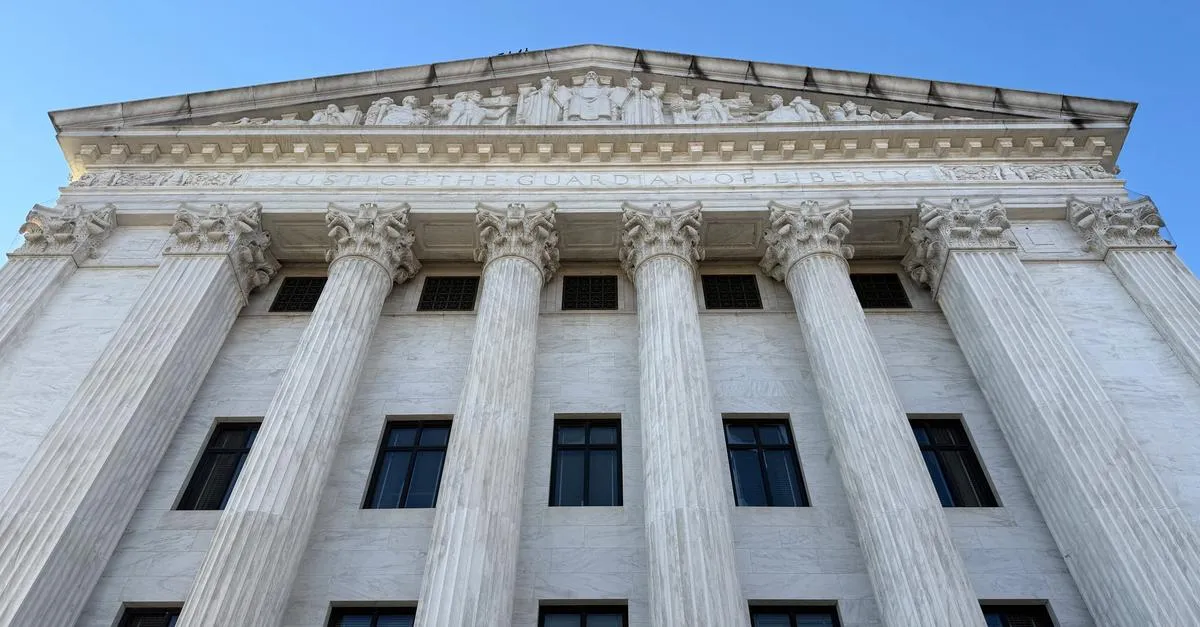 Photo: SCOTUSblog
Key points
The Supreme Court declined the Trump administration's emergency request to set aside over 20,000 California ballots, with no noted dissents.
The Supreme Court declined the Trump administration's request to intervene in its effort to keep California from counting ballots cast by what it contends are more than 20,000 noncitizens who have registered to vote in that state. In a brief, unsigned order released shortly before 6 p.m., the court turned down the government's request. There were no noted dissents.
The decision came hours after the Justice Department made the request and just before the votes are counted in the midterm elections. It was the latest maneuver in the fast-moving, high-profile effort by the administration to insert itself in state voting procedures. The application asked the justices for an emergency order for the state to set aside those ballots until the voters' citizenship could be determined.
The court's order
In a 19-page filing, U.S. Solicitor General D. John Sauer requested an order from the justices that would require California to keep those ballots separate until the voters' citizenship could be verified. "Once California commingles the challenged ballots with lawful ones," Sauer wrote, "there is no way to get the challenged ballots back."
The filing was the latest chapter in the Trump administration's push to combat alleged voter fraud. It began last month, when the administration went to federal court in Los Angeles, seeking an order directing the state not to send ballots to, or count the ballots of, voters who were likely not citizens.
The administration's argument
Sauer argued that the government is likely to prevail on the merits of its claim because federal law bars anyone who is not a U.S. citizen from voting in federal elections. Therefore, he wrote, "it follows that any ballot cast by an alien is unlawful" and states cannot count them. He also contended that the United States will suffer permanent harm because "California admits that there is no way to trace a ballot after it is processed."
By contrast, Sauer said, California will not suffer "undue hardship" from having to sequester the ballots at issue in this case. Indeed, he suggested, "California's own election laws contemplate the segregation of challenged ballots, and the segregation of challenged ballots is a standard remedy in election cases." The court's order was unsigned and had no noted dissents.
What happens next
Jill Habig, founder and CEO of Public Rights Project, which represents Los Angeles County in the case, said the Justice Department's list was based on an "opaque process" and that a 200-person sample review found many people weren't even registered to vote. Habig said that if the Supreme Court refuses to take up the appeal, they would file a motion to dismiss the lawsuit in its entirety in the district court.
Habig said that if the Supreme Court refuses to take up the appeal, they would file a motion to dismiss the lawsuit in its entirety in the district court. "We're arguing that the executive branch has no power over our elections," she said. "That's a power reserved to state and local officials, and it simply doesn't have a legal claim, and the court should dismiss the case."
Frequently asked questions
What did the Supreme Court decide?
The Supreme Court declined the Trump administration's request to intervene in a California ballot dispute, with no noted dissents. The court's unsigned order came hours after the request was made.
Why did the Trump administration want to set aside the ballots?
The administration argued that over 20,000 voters were likely noncitizens and that federal law bars noncitizens from voting in federal elections. It sought to have those ballots set aside until citizenship could be verified.
What happens next in the case?
If the Supreme Court refuses to take up the appeal, Public Rights Project, which represents Los Angeles County, plans to file a motion to dismiss the lawsuit in its entirety in the district court.