Zambia crackdown targets opposition with disappearances and beatings
Human Rights Watch documented 14 enforced disappearances and 61 abuse cases in Zambia's post-election crackdown, urging the government to halt abuses.
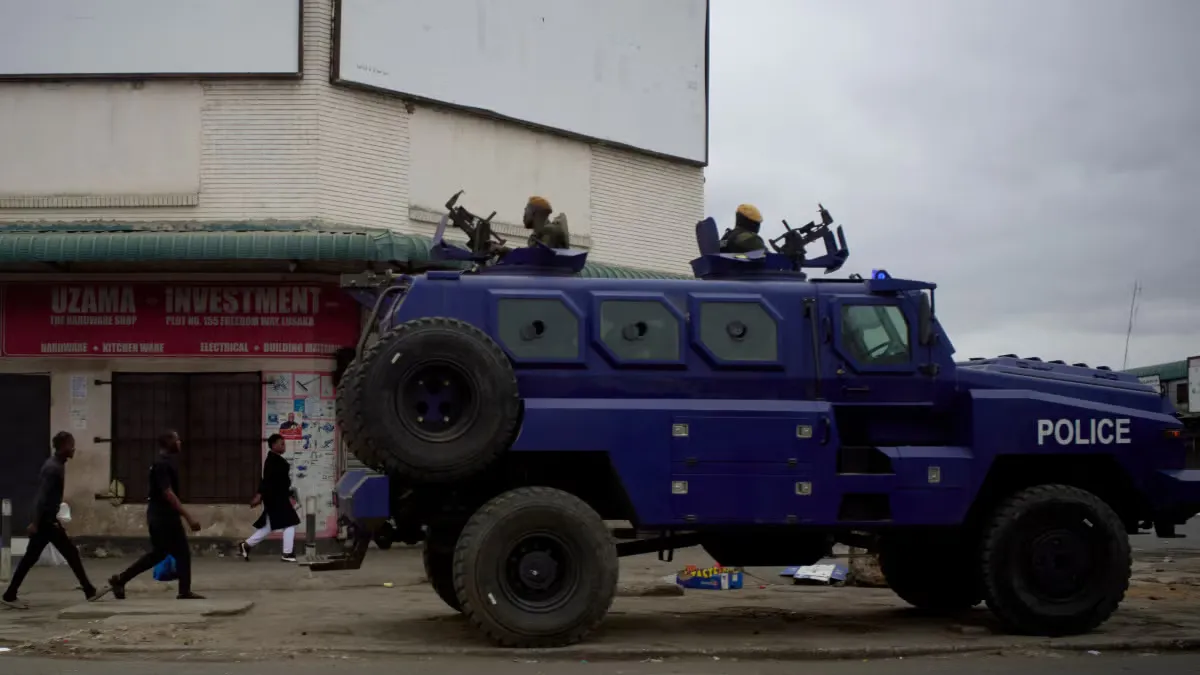 Photo: Human Rights Watch
Key points
Zambian security forces forcibly disappeared, detained, and beat opposition members and critics after the August 2026 elections, according to Human Rights Watch.
Human Rights Watch documented 14 enforced disappearances and 61 cases of beatings or violent abuse in Zambia's post-election crackdown, the organisation said in a report published on 1 November. The abuses targeted opposition members, lawyers, journalists and government critics in the days before and after the August 13 general election, which President Hakainde Hichilema won.
What HRW documented
Human Rights Watch documented 14 cases in August that appear to be enforced disappearances, in which the authorities refused to reveal the situation and whereabouts of a detained person. Several of these people were initially forcibly disappeared for days. Victims, family members and lawyers said that the military held some of them.
The organisation also documented 61 cases in which detainees or their lawyers and relatives allege that they were beaten or otherwise violently abused during arrest, in detention, or both. Eighteen have been charged with treason, with two also facing sedition charges. In many cases, the people detained were never charged with a crime, while in others, the charges appear politically motivated.
The killing of Kafwaya
On August 14, security forces raided the home of Tonse Alliance opposition leader Brian Mundubile in a suburb of Lusaka, the capital. Opposition members present allege that security forces killed a former government minister, Mutotwe Kafwaya, during the raid. Kafwaya's fate was not known until August 19, after his wife filed a habeas corpus petition to compel authorities to disclose his whereabouts.
Inspector General of the Zambia Police Service Graphel Musamba said members of a "joint intelligence-led operation" were met with "gunfire and resistance from unknown individuals" that "prompted officers to return fire," and that Kafwaya had been killed in the process. Mundubile, who was later arrested and charged with treason, stated in a High Court petition that he saw a member of the military fatally shoot Kafwaya.
Public officials made contradictory statements about the raid. On August 15, the Zambia Information and Communications Technology Authority sent a text message to all registered phones stating: "Beware of false reports of shootings and abductions. Stay calm and peaceful." The Ministry of Information and Media dismissed reports of the raid and shooting as "disinformation intended to alarm and mislead the public."
Government response
The police also issued a media statement denying that there had been a raid and that Mundubile was in police custody. Musamba later admitted that there had been a "joint security-led intelligence operation" at Mundubile's home. Given the conflicting statements, Human Rights Watch said Zambian authorities should institute an independent, impartial and thorough investigation into the matter.
On September 11, the government announced the cancellation of six government critics' passports, including that of academic Sishuwa Sishuwa, for "security reasons." The post-election climate of intimidation, harassment and repression has had a chilling effect on civic and political organisations, particularly on dissenting voices, Human Rights Watch said. The government has not disclosed how many people were arrested during the crackdown.
Human Rights Watch called on the authorities to immediately halt the crackdown, allow access to lawyers and medical care to detainees, release everyone arbitrarily detained, and ensure accountability for abuses. The organisation also documented two cases in which Zambia-based relatives of government critics living abroad say government authorities harassed and threatened them. Forty-three opposition members acting as election monitors were detained on August 14.
Frequently asked questions
What did Human Rights Watch document in Zambia?
HRW documented 14 enforced disappearances and 61 cases of beatings or violent abuse in August 2026, targeting opposition members, lawyers, journalists, and government critics.
What happened to opposition leader Brian Mundubile?
Brian Mundubile was arrested and charged with treason after security forces raided his home on August 14. He stated in a High Court petition that he saw a military member fatally shoot former minister Mutotwe Kafwaya during the raid.
What did the Zambian government say about the crackdown?
Police initially denied the raid on Mundubile's home but later admitted to a 'joint security-led intelligence operation.' Officials dismissed reports of shootings as 'disinformation intended to alarm and mislead the public.'