US suspends South Africa and Rwanda from AGOA, hitting $1.7bn in exports
The US will suspend South Africa and Rwanda from AGOA duty-free benefits from 1 January 2027, affecting $1.7bn of South African exports.
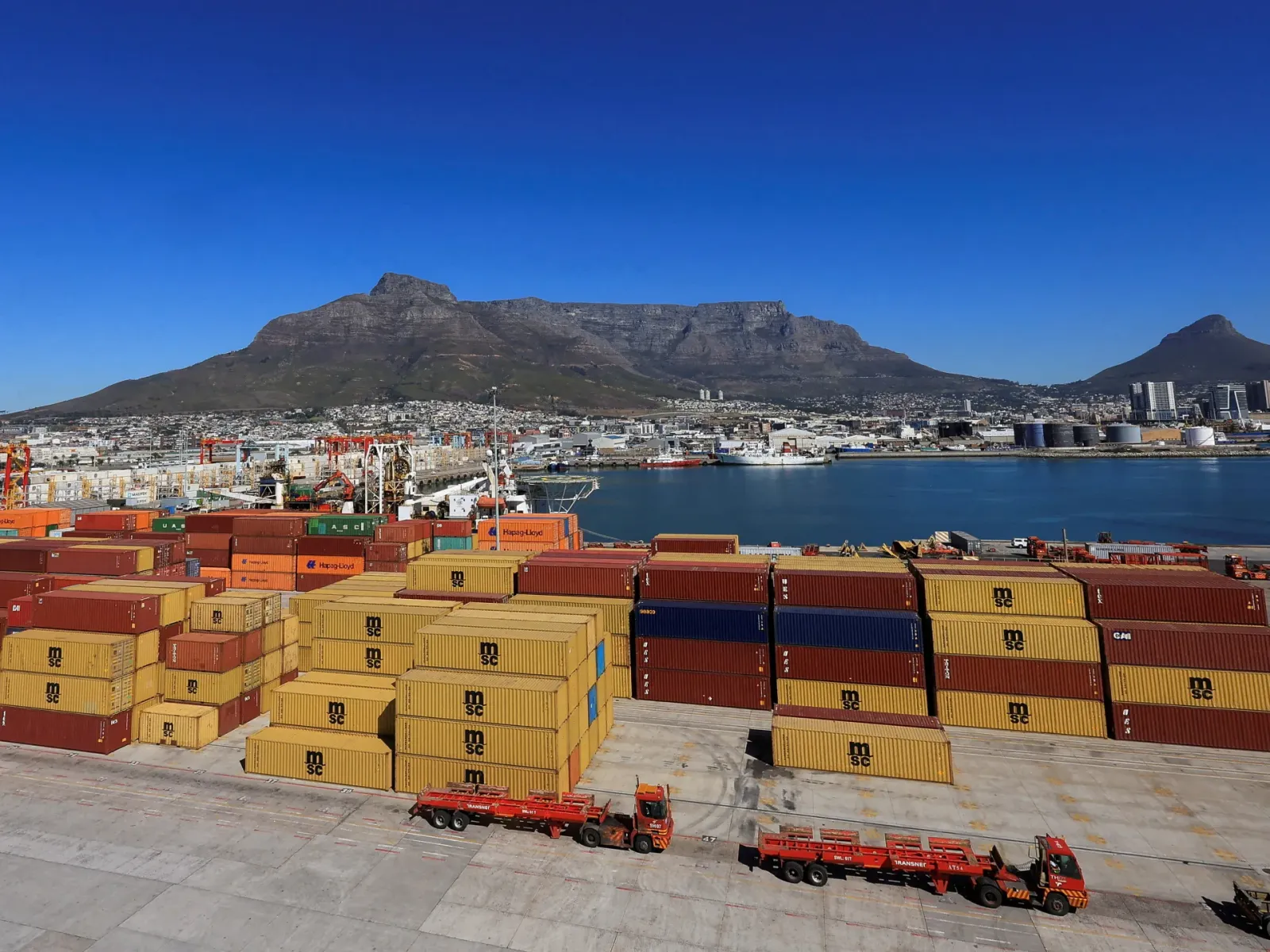 Photo: Al Jazeera
Key points
The US suspended South Africa and Rwanda from AGOA, ending duty-free access from 1 January 2027.
The United States will suspend South Africa and Rwanda from duty-free trade benefits under the African Growth and Opportunity Act (AGOA), effective 1 January 2027. US Trade Representative Jamieson Greer said on 2 November that President Donald Trump had notified Congress and both governments of the decision. South Africa, the largest AGOA beneficiary, exported about $1.7bn worth of goods under the programme in 2025.
The suspension removes preferential tariff access for South African exporters, including motor vehicles, farm products, and wine. South African suppliers can still sell to American buyers, but those sales will no longer qualify for AGOA tariff preferences. The US imported $16.5bn from South Africa in 2025, with AGOA shipments accounting for roughly one dollar in every ten.
What the suspension means
Greer said in a statement that President Trump found the governments of Rwanda and South Africa were engaging in practices inconsistent with AGOA's eligibility criteria. AGOA beneficiaries must meet requirements covering progress towards market-based economies, good governance, and elimination of barriers to US trade and investment. Washington reviews eligibility annually.
For exporters negotiating orders for 2027, the immediate issue is the price American customers will pay once the applicable import duty is included. The effect will vary by product. Where losing the preference raises the cost of an order, a US buyer could absorb the difference, seek a lower price from the South African supplier, or switch suppliers. How much of the $1.7bn business exporters retain depends on those decisions.
Washington highlighted trade barriers, rule of law, and human rights as issues of deep concern in Rwanda, which was also suspended in 2018. For South Africa, the US cited barriers to US trade and investment, corruption, and threats to US national security and foreign policy interests. Greer's announcement did not identify specific South African measures behind those findings.
Why Washington acted
The Trump administration has cracked down on South Africa over what Trump says is its persecution of white people. South Africa's government says this is a falsehood spread by fringe groups. Tensions also escalated after South Africa took Israel to the International Court of Justice over allegations of genocide in Gaza, a case opposed by Washington. Israel denies the genocide allegations.
South Africa's Department of Trade, Industry and Competition said last week it was prepared for a negative outcome from the AGOA eligibility review and remained open to dialogue with the US. Minister Parks Tau said South Africa had made offers to Washington during negotiations over the past year. His department estimates AGOA shipments account for about 1% of South Africa's worldwide exports.
President Cyril Ramaphosa said in recent weeks that the country must prepare for being cut out of the programme and was already seeking new markets and signing new trade deals with partners such as China. South Africa's main exports to the US include precious stones and metals, motor vehicles, and iron and steel. Rwanda's main exports to the US include coffee, tea, and minerals.
South Africa's response
The US administration said both countries could regain eligibility if they meet the programme's requirements. There was no immediate response from either country. For firms that rely on the US preference, the more pressing deadline is the end of December, when their current terms expire. The suspension takes effect on 1 January 2027, when South African and Rwandan exports will no longer receive AGOA tariff preferences. The decision follows months of diplomatic friction between Washington and Pretoria over land reform, black economic empowerment policies, and foreign policy. The US has not specified what steps would restore eligibility.
Frequently asked questions
When does the AGOA suspension take effect?
The suspension takes effect on 1 January 2027. US Trade Representative Jamieson Greer announced the decision on 2 November 2026.
How much South African trade is affected?
South Africa exported about $1.7 billion in goods under AGOA in 2025. That represents roughly one dollar in every ten spent on South African goods entering the US.
Why did the US suspend South Africa and Rwanda?
Washington cited trade barriers, corruption, and threats to US national security and foreign policy interests. For Rwanda, it also raised rule of law and human rights concerns.