Yotova wins Bulgarian presidency with 57.6 percent of runoff vote
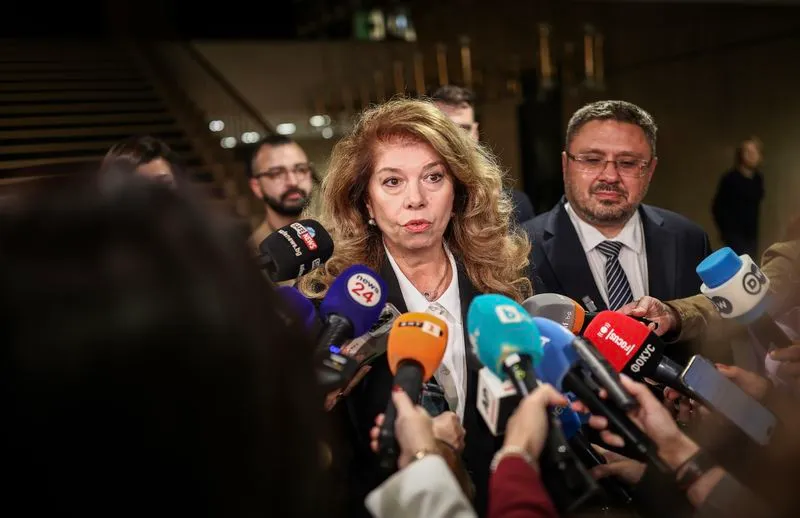
Iliana Yotova won Bulgaria's presidential runoff on 1 November with 57.6 percent, becoming the first elected female president.
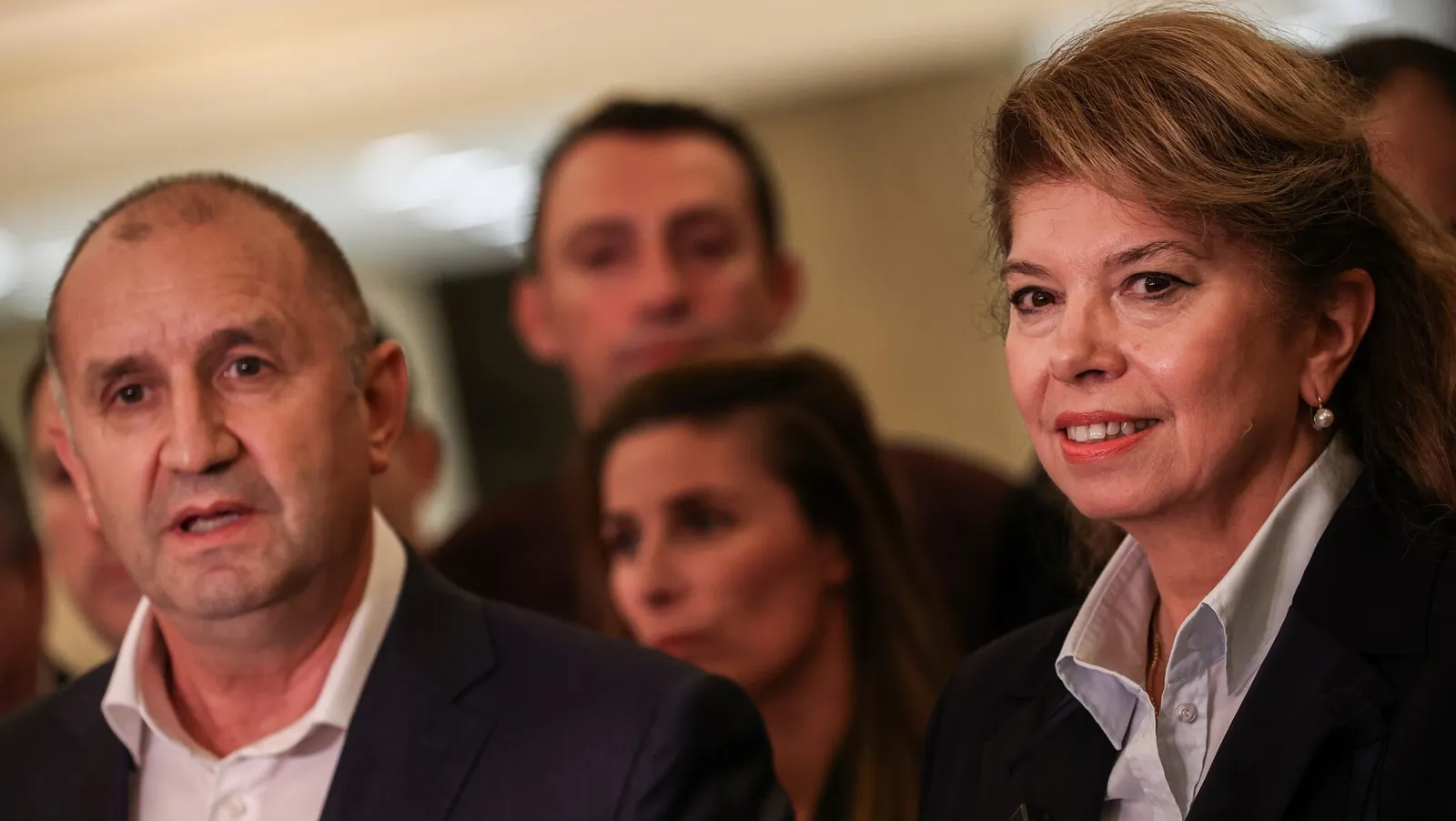 Photo: Balkan Insight
Key points
Iliana Yotova won Bulgaria's presidential runoff with 57.6% of the vote, becoming the first elected female president.
Iliana Yotova won Bulgaria's presidential runoff on 1 November with 57.6 percent of the vote, defeating pro-EU candidate Andrey Gyurov, who took 39.5 percent. The result makes Yotova the first woman elected president in Bulgaria's history, according to the Central Election Commission. Turnout was 29.1 percent, higher than the record low of 22.98 percent in the first round on 25 October.
Yotova, who had been acting president since January, ran as the "president of peace," pledging a more balanced attitude towards Russia and skepticism about further military aid to Ukraine. She also called for Bulgaria to be less obedient to the EU. Prime Minister Rumen Radev, whose Progressive Bulgaria party backed Yotova, said Bulgarians "chose peace, stability, normalcy."
A divided electorate
The vote exposed a generational and geographical divide, according to Dimitar Ganev, sociologist at the Trend market and electoral research agency. "Younger voters — those aged between 18 and 40 — favor Gyurov. Those over 40 tend to prefer Yotova," Ganev said. "It also appears that Gyurov dominates in the capital, Sofia. In smaller regional cities, other towns and villages, Yotova dominates decisively."
Yotova's victory keeps the presidency in the hands of the governing majority, as Radev's Progressive Bulgaria party won an outright majority in April's parliamentary elections. Observers note that such a concentration of power could prevent the effective maintenance of checks and balances on policy decisions by institutions.
The campaign was dominated by the war in Ukraine and Russia's role in drone attacks in the Black Sea. Yotova said in an interview on 30 October: "I don't see Russia as an enemy state … I hope Russia will take part in Europe's future security architecture." Gyurov, who signed a security cooperation agreement with Ukraine in March, sharply criticized Russian aggression.
Russia stance divides candidates
Radev, who attended Yotova's victory briefing, said the election was a choice "between war and peace." He has avoided calling Russia an "aggressor" and downplayed its responsibility for Black Sea drone attacks, drawing criticism from Romania. Yotova also did not name Russia as the perpetrator, saying she did not want to see "foreign flags in Bulgaria."
Yotova's campaign was criticized for remaining elusive about drone attacks in the Black Sea, including in Bulgaria's zone, and for a lack of preparedness. She dismissed opposition criticism as "aggressive political attacking," adding: "But we didn't allow ourselves this speech of hate." Her vice president, Kiril Valchev, director of the Bulgarian News Agency, raised questions about media freedom.
Yotova, born in 1964 in Sofia, worked as a TV presenter and news editor at Bulgarian National Television in the 1990s. She joined the Moscow-aligned Bulgarian Socialist Party in 1997 and became an MP in 2005. She served as a Member of the European Parliament from 2007 and again from 2014, then became vice president under Radev in 2016.
First female president
Most opposition parties, including GERB, refused to field a candidate, contributing to the low turnout. In the first round, pro-Russian candidate Kostadin Kostadinov came third with 12.5 percent, and around 70 percent of his voters backed Yotova in the runoff, according to Ganev. Yotova's victory was congratulated by European Commission President Ursula von der Leyen, who wrote: "For a strong Bulgaria in a strong Europe."
Frequently asked questions
Who won Bulgaria's presidential election in 2026?
Iliana Yotova won the runoff on 1 November with 57.6% of the vote, defeating Andrey Gyurov. She became the first woman elected president of Bulgaria.
What is Yotova's stance on Russia and Ukraine?
Yotova opposes military aid to Ukraine, favors dialogue with Russia, and supports lifting sanctions. She has said she does not see Russia as an enemy state.