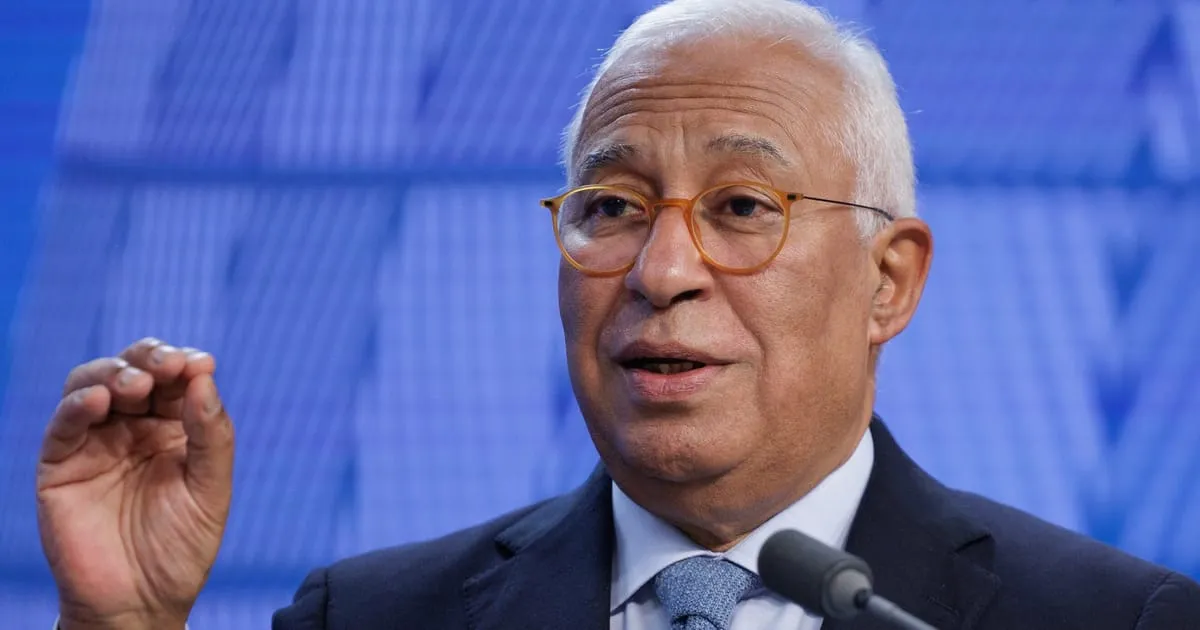
Eisenkot invites Netanyahu's Likud to coalition talks from Sunday
Gadi Eisenkot's Yashar party invited Benjamin Netanyahu's Likud to coalition talks beginning Sunday, with neither bloc holding the 61 Knesset seats needed for a majority after October's election.
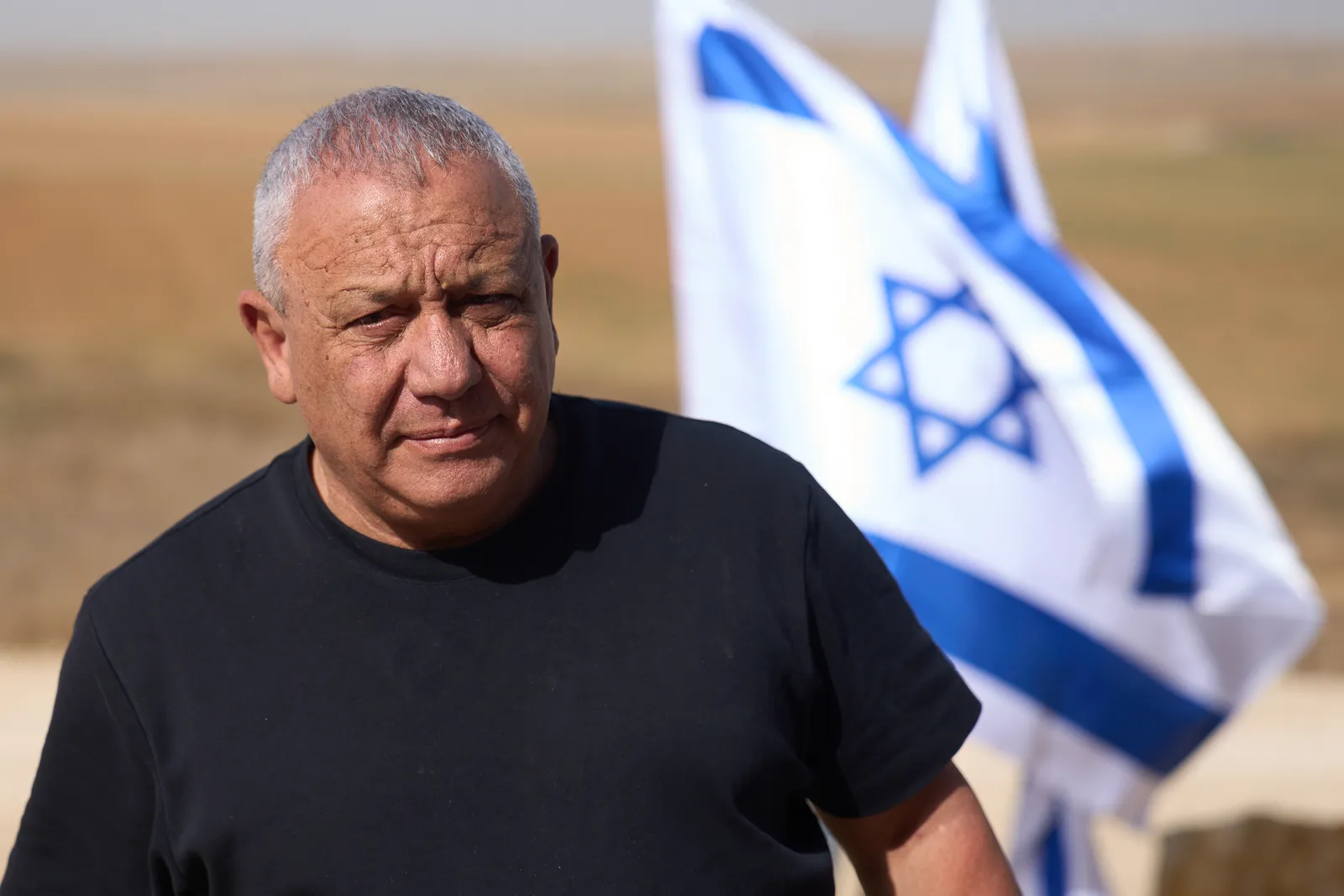 Photo: Arab News
Key points
Eisenkot's Yashar party invited Netanyahu's Likud to coalition talks beginning Sunday, as Eisenkot works to form a government by a December deadline.
Gadi Eisenkot, the former military chief tasked with forming Israel's next government, has invited Benjamin Netanyahu's right-wing Likud party to coalition talks, his centrist Yashar party said on Saturday. The party said the talks are scheduled to begin on Sunday. The invitation opens the first direct negotiation between Eisenkot's camp and the bloc of the caretaker prime minister since the October election failed to deliver a clear majority for either side. Eisenkot has until next month to form a government to replace Netanyahu.
Why the talks are happening
Eisenkot's Yashar party framed the invitation as an attempt to keep every route to a coalition open. In a statement, the party said Eisenkot had instructed its negotiating team to invite Likud counterparts to a marathon series of talks beginning with the meeting already scheduled for Sunday. The party said the move reflected a genuine commitment to forming the broadest possible government. It added that it would leave no stone unturned as it works to make bold moves possible and secure the breakthrough needed to form a government.
What Likud demands
The numbers explain the opening. The October 27 election produced a fractured parliament, with no bloc securing the 61 seats needed for a majority in the 120-member Knesset. Netanyahu's right-wing bloc secured 53 seats, while the opposition bloc led by Eisenkot won 48. Arab-majority parties secured another 19 seats, leaving them potentially important to government formation. Likud emerged as the largest party with 27 seats, followed by Eisenkot's Yashar with 21. Naftali Bennett's B'Yachad won 12 seats.
Eisenkot's camp is divided over how to reach a majority. One option is to bring the ultra-Orthodox parties, Shas and United Torah Judaism, into the coalition. Another is a minority government backed by Arab-majority parties including Ra'am and the Joint List. A third is a national unity government involving Likud.
Likud laid out its position shortly after the announcement. It demanded a halt to all personal attacks and incitement as well as political boycotts against Netanyahu and the government, and called for a joint declaration committing to a unity government of all parties that support the existence of the State of Israel as the nation-state of the Jewish people.
The deadline and the fallback
Likud also insisted that Arab parties be excluded from such a government. It proposed guidelines including an agreement that Israel is the nation-state of the Jewish people, a rejection of Palestinian statehood, the maintenance of Israel's security zones in Syria, Lebanon and Gaza, and an arrangement on ultra-Orthodox conscription through a broad agreement with the community's leaders.
Bennett, a key figure in Eisenkot's camp, backed a unity government but drew a line at Netanyahu. He called for a Zionist unity government headed by Eisenkot and said he was committed to ensuring that Netanyahu will not be the next prime minister of the State of Israel, adding that his party would not join him or his bloc under any circumstances.
Eisenkot has indicated he would be open to forming a government with members of Likud, but has previously ruled out serving in a government led by Netanyahu himself. Netanyahu has been pushing hard for a national unity government, which he says is needed to guarantee Israel's security. President Isaac Herzog formally tasked Eisenkot with forming a government on November 8, after consultations with political parties. Factions representing 67 lawmakers recommended Eisenkot for the mandate, compared with 46 who backed Netanyahu. One faction representing seven lawmakers did not recommend either candidate.
Under Israeli law, Eisenkot has 28 days from receiving the mandate to form a government, and Herzog can grant an extension of up to 14 additional days. That puts the initial deadline in early December. Any proposed government must secure the confidence of the Knesset before taking office. Eisenkot said on Friday that he would not let coalition-building talks drag on, and that he would be prepared to put forward a minority national emergency government for a parliamentary vote should efforts to create a broad-based government fail. The Likud negotiating team meets Yashar's on Sunday, November 22.
Frequently asked questions
When do the Eisenkot-Likud coalition talks begin?
The talks are scheduled to begin on Sunday, November 22, according to Eisenkot's Yashar party. The party described them as a marathon series of discussions with Likud representatives.
Why does Eisenkot need Likud?
The October 27 election left no bloc with the 61 seats needed for a majority in the 120-member Knesset. Netanyahu's bloc won 53 seats, Eisenkot's opposition bloc 48, and Arab-majority parties 19 outside both.
What is Eisenkot's deadline to form a government?
President Isaac Herzog tasked Eisenkot with forming a government on November 8. Under Israeli law he has 28 days from the mandate, with a possible 14-day extension, putting the initial deadline in early December.