Trump delays decision on Iran strikes until 2027
US President Donald Trump said on Thursday he will wait until after January 1 before deciding on fresh military action against Iran, pausing plans for a new bombing campaign.
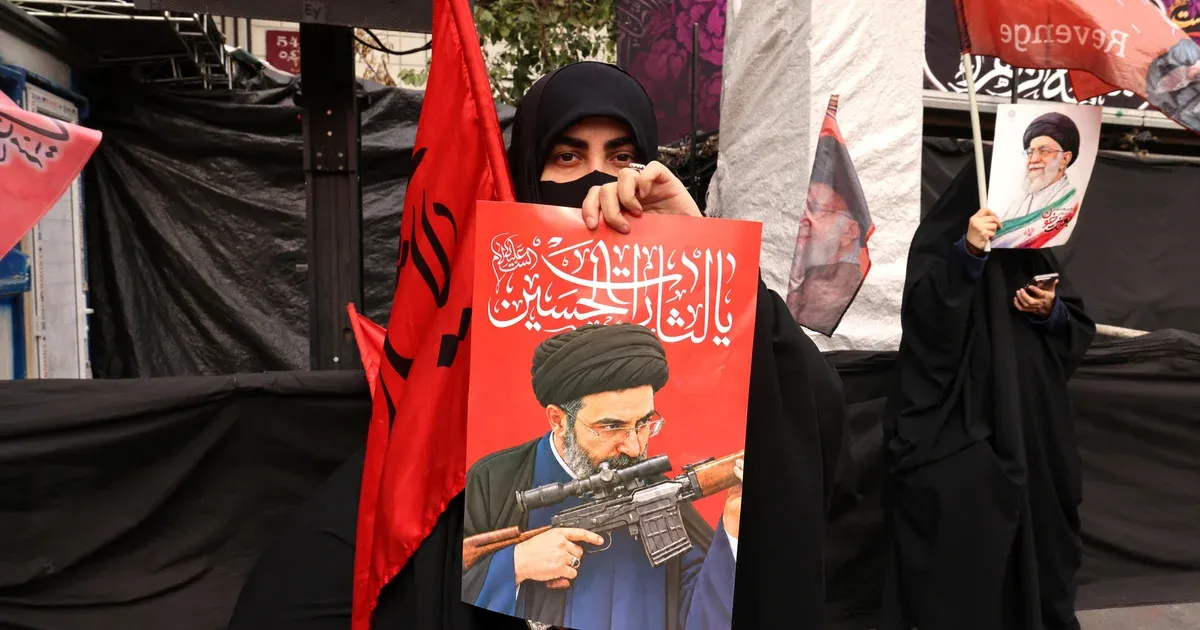 Photo: CBS News
Key points
Trump delayed his decision on fresh Iran strikes until after the beginning of 2027 despite Israeli pressure.
US President Donald Trump said on Thursday that he will wait until after January 1 before deciding on any fresh military action against Iran, pausing plans for a renewed bombing campaign. Speaking to interviewers, he said, "I am not rushing into any decision [on Iran]. We will see what happens after the beginning of the year." He repeated the timeline to Fox News, adding, "We've got time," signalling no immediate rush toward another major campaign.
Israeli Prime Minister Benjamin Netanyahu has reportedly pressed Washington to launch another round of strikes. Mossad chief Roman Gofman visited the US last week to advocate for renewed military action. Reports suggest Israel is pushing for a four-to-seven-day campaign backed by Washington. Netanyahu told senior ministers such an operation is "unavoidable" and seeks US support for the fresh offensive against Tehran.
Israeli pressure for strikes
The potential operation could involve strikes on suspected Iranian nuclear facilities, bridges, and power plants. The White House has asked the Pentagon and intelligence agencies to assess how Iran could respond to different scenarios. One key concern is whether an attack could trigger Iranian retaliation against oil and gas infrastructure in Gulf countries, which would impact regional energy supplies.
Trump's delay follows the November 3 midterm elections, after which Vice President JD Vance publicly distanced himself from the conflict, citing it as a reason for the party's poor electoral performance. Before the polls, Trump had suggested Iran would be more willing to negotiate after the elections. His administration maintains that the naval blockade and economic sanctions are working, and the president has said he sees no need to decide before the new year.
Meanwhile, the US Senate rejected a Democratic resolution seeking to end the Iran war on Thursday. The vote stood at 51-48, with Republicans backing Trump's military campaign. A Pentagon official told the Senate Armed Services Committee that the war had cost an estimated $48.3 billion as of November 13. This figure includes operations and equipment replacement but excludes damage to US bases.
Senate rejects war resolution
The financial cost of the conflict is coming under scrutiny from lawmakers. An Associated Press analysis pointed to billions in losses from Iranian missile and drone attacks on US bases. Lawmakers have pressed the Pentagon to provide a separate assessment of that damage. The Senate vote was the first on the conflict since the midterm elections.
Trump addressed reports alleging Iran might plan to detonate a dirty bomb in Washington. He downplayed the threat to Fox News, saying, "I don't think so." However, he claimed there were indications Iran was looking at chemical and biological weapons. He argued that shutting them out with nuclear restrictions forced them to explore other options.
Iran's Foreign Ministry rejected US allegations that Tehran is developing chemical and biological weapons. The ministry described the claims as an attempt to create fear and justify military action. It also dismissed the CNN dirty bomb report as baseless. These allegations are part of the intelligence assessments the US is weighing before making a decision.
Chemical weapons claims
US Central Command denied carrying out new strikes on Iran's strategic Qeshm Island on Friday. Iranian media said a missile hit the island in the Strait of Hormuz, but US officials denied it. The US has attacked the island several times, most recently on Tuesday. This denial comes amid rising tensions and conflicting reports about the strikes.
The delay gives the US blockade and sanctions more time to influence Tehran. Trump's stated timeline does not mean an attack has been ruled out before the new year, and he has said he could still act sooner. The decision remains pending as Washington weighs military options against the risk of a wider regional response, with the next marker set for January 1.
Frequently asked questions
When will Trump decide on Iran strikes?
Trump told interviewers he will wait until after the beginning of 2027, saying "We will see what happens after January 1."
Why is Netanyahu pushing for strikes?
Netanyahu reportedly told senior ministers a new operation against Iran is "unavoidable" and seeks US backing for a four-to-seven-day campaign.
How much has the Iran war cost so far?
A Pentagon official told the Senate Armed Services Committee the war cost an estimated $48.3 billion as of November 13, including operations and equipment replacement.