Judge blocks Rollins' Christian emails to 100,000 USDA staff
A federal judge in San Francisco issued a preliminary injunction on 19 November finding Brooke Rollins' Christmas and Easter emails likely violated the First Amendment.
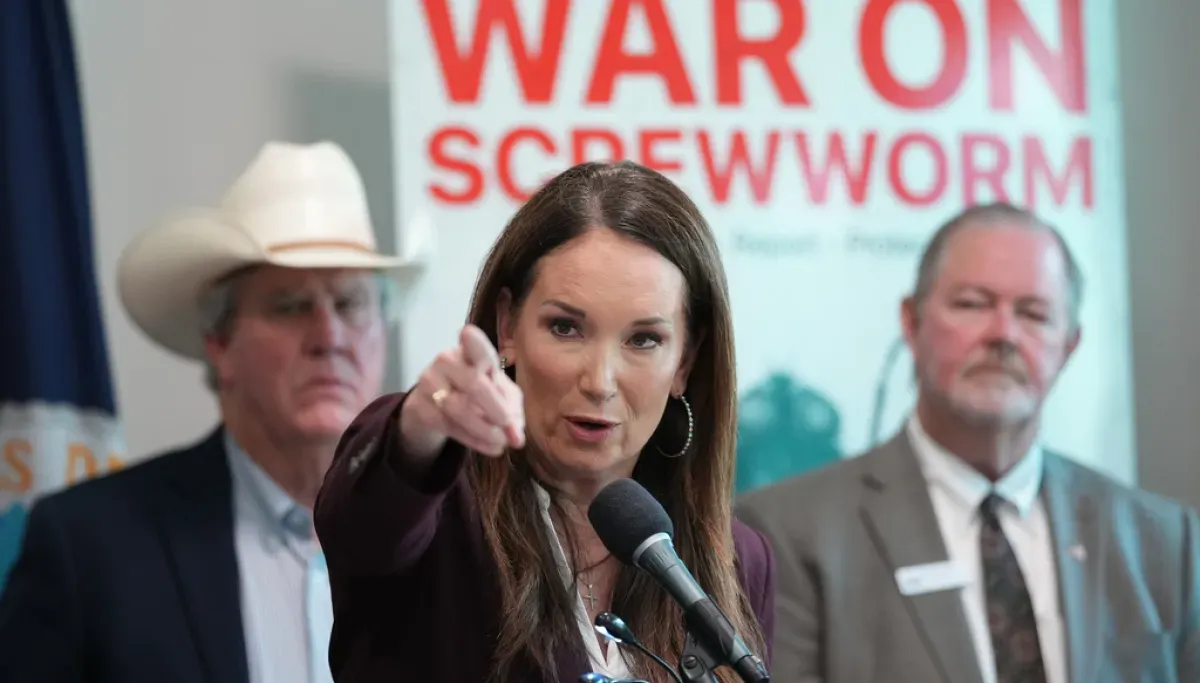 Photo: Washington Examiner
Key points
A federal judge blocked Agriculture Secretary Brooke Rollins from sending religious messages through her official email to roughly 100,000 USDA employees.
A federal judge has blocked Agriculture Secretary Brooke Rollins from sending religious messages to the Department of Agriculture's roughly 100,000 employees through her official email account. US District Judge Trina Thompson issued a preliminary injunction on 19 November. She found that two of Rollins' holiday emails likely violated the First Amendment's Establishment Clause, which bars the government from establishing or favouring a religion.
The injunction is the first court order restricting how Rollins communicates with the workforce she leads. It follows a lawsuit filed in May by the National Federation of Federal Employees, which represents more than 19,000 department workers, and by USDA employees of different religious backgrounds, including some who identify with no religion. The plaintiffs argued the messages made staff feel excluded and pressured to conform.
The two emails at issue
Two emails formed the core of the case. The first, sent on 23 December 2025, was a Christmas message containing a video in which Rollins said the spirit of generosity flowed from "the very first Christmas when God gave us the greatest gift possible." The second, dated 5 April 2026, opened: "Happy Easter — He is Risen indeed!" and compared USDA employees to Jesus Christ's first disciples.
Thompson found the messages went beyond ordinary holiday greetings. Because they came from the department's most senior official and reached the entire workforce through her official account, she concluded they risked pressuring workers to appear to share her beliefs. The plaintiffs noted Rollins had not sent comparable greetings recognising holidays observed by other religions.
The judge focused on Rollins' repeated use of words such as "we", "us" and "our", which she said implied that the whole department shared her Christian beliefs. She noted the emails did not acknowledge employees who followed other religions or held no religious beliefs. The language, Thompson wrote, suggested a shared faith that the workforce does not in fact have.
Why the judge ruled
The court rejected the government's argument that employees could simply ignore the messages. USDA staff also receive important departmental instructions through Rollins' account, including messages on agency restructuring and government shutdown plans, making it unrealistic to expect workers to separate messages they must read from those they might prefer to avoid.
In an unusual rebuke, Thompson cited religious-expression guidance that Rollins herself adopted in November 2025. Those rules allow staff to discuss their faith with interested colleagues but prohibit using a position to pressure subordinates or continuing unwanted religious approaches. "Why should the secretary be exempt from her own rules?" Thompson wrote. "The buck stops with Secretary Rollins."
USDA weighs an appeal
Government lawyers had argued that Rollins was simply expressing personal views about religious holidays without requiring anyone to participate in religious activities. Thompson rejected that framing. She found the two messages likely crossed a constitutional line because Rollins used government authority to address employees on matters of faith. The ruling does not prevent Rollins from practising Christianity or discussing her beliefs privately, and it does not bar her from speaking about religion with colleagues who are interested.
The order restricts how Rollins uses her official government communication channels when addressing the department's employees. Thompson also dismissed the plaintiffs' separate claims under the Administrative Procedure Act, finding the emails were not final agency action. The Department of Agriculture criticised the decision as a "completely unprecedented attempt to muzzle a Cabinet Secretary" and said it was evaluating all available options, including filing an appeal.
Plaintiff Ashley Miller welcomed the injunction, saying it had been frightening to challenge the department's leadership but that the effort would help colleagues across the agency. The order remains in place while the constitutional case proceeds, and the court has not yet issued a final judgment on the merits of the employees' claims.
The dispute sits inside a wider argument over religion in the Trump administration. Defence Secretary Pete Hegseth has incorporated Christian prayer into activities at the Pentagon. Advocates of church-state separation have raised concerns about religious messaging by senior officials and the use of government platforms to promote Christianity. The USDA order is limited to Rollins' official communications with her department's workforce.
Frequently asked questions
What did the judge rule about Brooke Rollins' emails?
US District Judge Trina Thompson found that Rollins' Christmas and Easter emails to roughly 100,000 USDA employees likely violated the First Amendment's Establishment Clause and issued a preliminary injunction on 19 November blocking her from sending religious messages through her official account.
Which emails were at issue in the USDA lawsuit?
Two messages: a Christmas email sent on 23 December 2025 containing a video about God's gift, and an Easter email dated 5 April 2026 that opened "Happy Easter — He is Risen indeed!" and compared employees to Jesus Christ's first disciples.
Is the USDA appealing the ruling?
The Department of Agriculture called the decision a "completely unprecedented attempt to muzzle a Cabinet Secretary" and said it was evaluating all available options, including filing an appeal. The injunction remains in place while the constitutional case proceeds.