Mamdani plans to close Rikers Island by 2032 with four smaller jails
New York City Mayor Zohran Mamdani announced a plan on 20 November to end incarceration at Rikers Island by the end of 2032, replacing it with four borough-based jails.
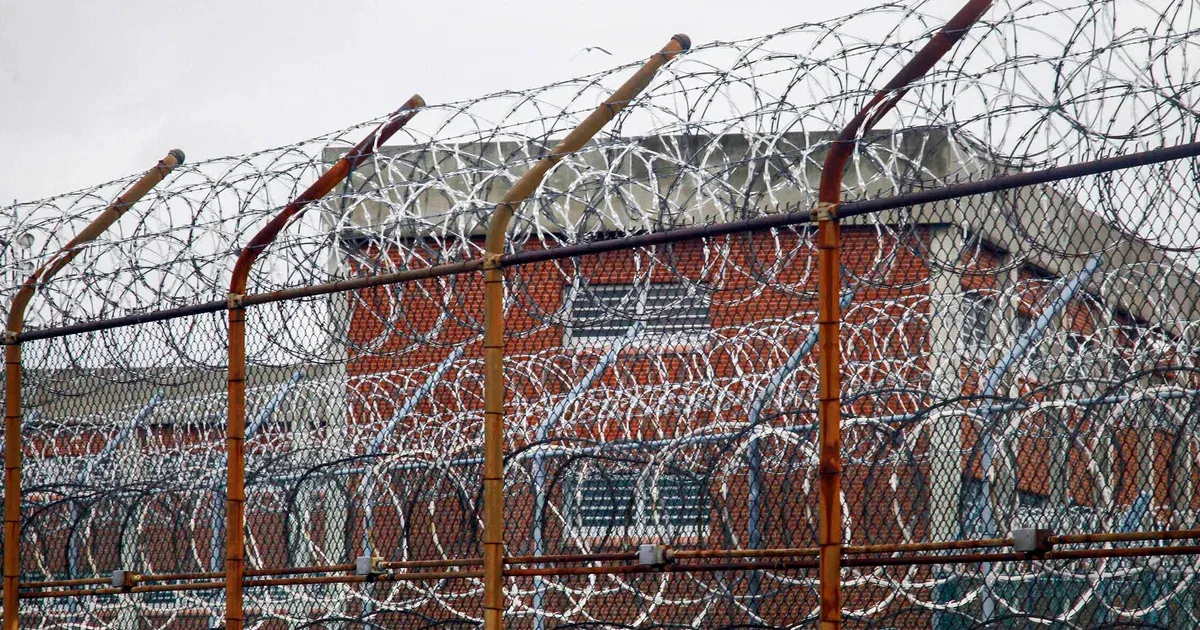 Photo: CBS News
Key points
Mamdani announced a plan to close Rikers Island by the end of 2032 and move its population to four smaller borough-based jails.
New York City Mayor Zohran Mamdani unveiled a plan on 20 November to close the Rikers Island jail complex, with a goal to end all incarceration at the current facility and relocate its remaining jail population by the end of 2032. The plan replaces the complex with four smaller jails in Brooklyn, the Bronx, Queens and Manhattan.
The city is legally required to close the troubled jail complex by August 2027 under legislation passed by the city council in 2019 and signed into law by then mayor Bill de Blasio. The city is not on track to meet that deadline: construction is behind schedule and the jail population has risen since 2020.
A deadline already missed
Mamdani's administration described the proposal as the city's first comprehensive plan to close Rikers Island. The plan states that the Brooklyn facility is on track to open in 2029, followed by the Bronx and Queens facilities in 2031, and the Manhattan facility in 2032. The first replacement jail therefore opens two years after the legal deadline.
The mayor's office said the plan includes an investment of $146m from the city next fiscal year toward mental health care, substance use treatment, educational and vocational programming both inside jails and in communities, as well as victim services. It also includes $50m next fiscal year to expand access to vocational training, educational programming, mental health counselling, substance use services and other supports.
A further $76m will go toward community programmes and supervision to keep more people out of jail while awaiting trial, according to the plan announced on 20 November. The city also wants to speed up court cases and expand hospital care for people with serious medical and mental health needs.
Where the $146m goes
Mamdani said the city would work across agencies to speed the exchange of evidence and address court backlogs. "We do not want any New Yorker to spend a day longer in detention than necessary," he said. In a statement he added: "It is time to finally close Rikers Island." Department of Correction Commissioner Stanley Richards said the effort is personal: he was once incarcerated at Rikers and said both the people in custody and staff have been overlooked. "At Rikers, out of sight, out of mind is the norm for both people in our custody and our staff," he said.
Richards said unnecessary pretrial detention can "increase the likelihood of eviction, job loss, and ultimately, rearrest in the future, while case delay harms victims calling for justice." The plan also proposes restructuring and modernising the department of correction so that the operational challenges at Rikers are not transferred to the new facilities.
Capacity gap in the numbers
Capacity is the central constraint. The four new borough-based jails are designed to hold about 4,100 people, far fewer than the roughly 6,700 people reported in custody at Rikers in June.
The plan sets population targets to bridge that gap: no more than 5,500 people at the time of the Brooklyn facility's opening in 2029, and no more than 4,100 by the end of 2032. Mamdani proposes diversion and supervised early release programmes, expanded housing and social services, restoring an online bail payment system in 2027, and reducing case delays.
Mamdani said assaults at Rikers happen at eight times the rate of similar jails, and inmates are held there nearly four times longer than the national average. The complex has for years faced criticism over conditions, infrastructure, staffing challenges and reports of violence and deaths, drawing sustained scrutiny from civil rights advocates and local lawmakers.
The Mamdani administration cannot unilaterally set a new legal closure date; it will require the city council to pass a new law extending the deadline. City council speaker Julie Menin said delays under previous administrations had made clear that more time is needed to fulfil the commitment made in 2019, and that Rikers is now under federal court-ordered oversight.
The plan states the administration will work closely with the City Council on legislation to bring the plan into law, as well as with the Remediation manager, federal monitor and the Board of Correction. It also commits the city to plan for the future reuse of the 413-acre island between Queens and the Bronx.
Frequently asked questions
When will Rikers Island close?
Mamdani's plan aims to end all incarceration at Rikers Island and relocate its remaining population by the end of 2032. The city is legally required to close the complex by August 2027, a deadline it is not on track to meet.
How many people are held at Rikers Island?
About 6,700 people were reported in custody at Rikers in June. The four replacement jails are designed to hold about 4,100 people, and the plan targets no more than 4,100 by the end of 2032.
How much will Mamdani's Rikers plan cost?
The plan includes $146m from the city next fiscal year for mental health care, substance use treatment, education and victim services. It also includes $50m for vocational and educational programmes and $76m for community programmes and supervision.