Senate passes permitting overhaul in 62-33 vote
The Senate passed the Bipartisan American Affordability and Jobs Act on 19 November, sending the energy permitting overhaul to the House.
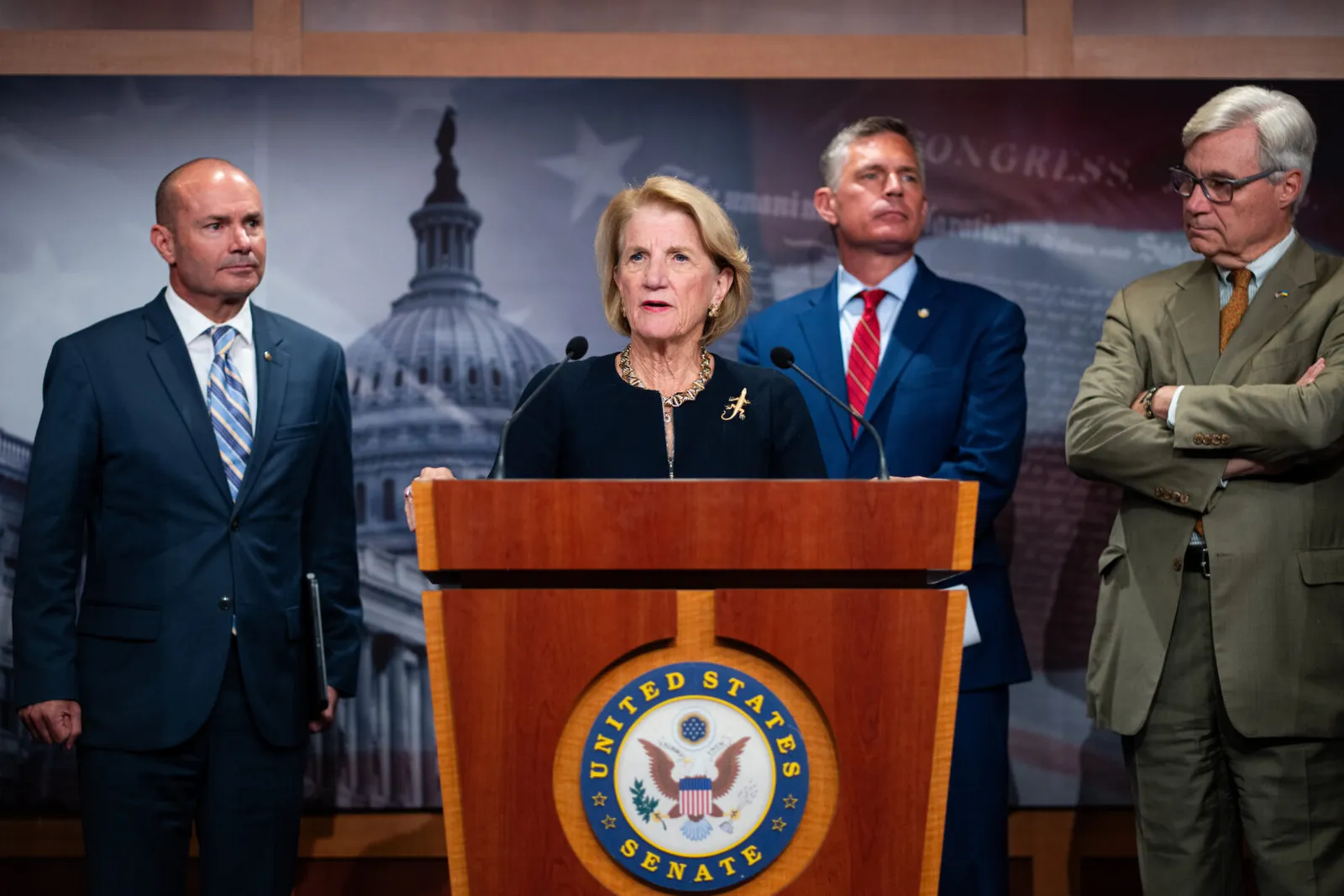 Photo: Roll Call
Key points
The Senate passed the Bipartisan American Affordability and Jobs Act, a sweeping energy permitting overhaul, in a 62-33 vote on 19 November.
The Senate passed a bill on 19 November that would overhaul the federal permitting system for electric power lines, wind and solar farms, hard rock mining and oil drilling projects. The 62-33 vote sends the Bipartisan American Affordability and Jobs Act to the House, where its future remains uncertain. The bill is the culmination of a yearslong effort to address industry concerns that it is too difficult to build major infrastructure in the United States. Supporters overcame opposition from more than half the Democratic Caucus, which will be a factor when the bill moves to the House after the Thanksgiving recess.
What the bill changes
The bill includes changes to how reviews are conducted and permits are issued under the National Environmental Policy Act, National Historic Preservation Act, Endangered Species Act, Federal Power Act and Clean Water Act. It would set review deadlines and limit federal agencies' ability to revoke permits for projects that are in operation or under construction.
It includes provisions intended to ensure electricity ratepayers are not saddled with the costs of bringing power to data centers, and would give the Federal Energy Regulatory Commission new authority over interstate transmission lines. It also would provide legal recourse when administrations discriminate against certain forms of energy or seek to revisit permits on ideological grounds.
Opposition and concerns
The bill is backed by both the oil and gas industry and clean energy groups, but opposed by many major environmental organisations. The American Petroleum Institute, the American Clean Power Association, the U.S. Chamber of Commerce and the National Association of Manufacturers have endorsed it. Thirty-one Democrats voted no, largely raising concerns that the bill would weaken environmental protections and lead to more fossil fuel projects. Republican Sens. Mike Rounds of South Dakota and Josh Hawley of Missouri also voted no. Democratic Sen. Jeff Merkley of Oregon cited concerns about states' rights to protect clean water and air, and the impact on tribal rights.
Environmental groups argue the proposed measures would expand the Trump administration's authority to expedite approval of data centres and oil and natural gas drilling projects. Native American tribes say the legislation would undermine their sovereignty. Some Democrats argue they should try again when they have more leverage when they control both chambers of Congress in 2027.
House prospects
The bill now moves to the House, where Speaker Mike Johnson, R-La., said last week that the bill can pass. Some Democrats including Reps. Scott Peters, D-Calif., and Nikki Budzinski, D-Ill., have expressed support. But some Republicans, including Rep. Chip Roy, have wavered over the bill's electric transmission provisions. Rep. Bruce Westerman, the chairman of the House Natural Resources Committee, said on 19 November he doubted there would be time to make changes to the bill before Congress's term expires at the end of December. "If the Senate gets it done then I think that's what we'll have to pass in the House," Westerman said in an interview before the vote. The House is expected to take up the bill after the Thanksgiving recess. The White House expressed its support for the bill in a statement of administration policy this month. President Trump has expressed support for the deal.
Frequently asked questions
What did the Senate pass on 19 November?
The Senate passed the Bipartisan American Affordability and Jobs Act, a sweeping energy permitting overhaul, in a 62-33 vote. The bill aims to speed up infrastructure projects by streamlining federal reviews.
Why did 31 Democrats vote against the bill?
They raised concerns that the bill would weaken environmental protections and lead to more fossil fuel projects. Some also worried about impacts on tribal rights and states' rights to protect clean water and air.
What happens next for the bill?
The bill moves to the House, where Speaker Mike Johnson says it can pass. However, some Republicans and Democrats want changes, and Rep. Bruce Westerman doubts there is time to make them before year's end.