Senate passes sweeping energy permitting reform bill 62-33
The Senate passed the Bipartisan American Affordability and Jobs Act on 19 November, sending the permitting overhaul to the House.
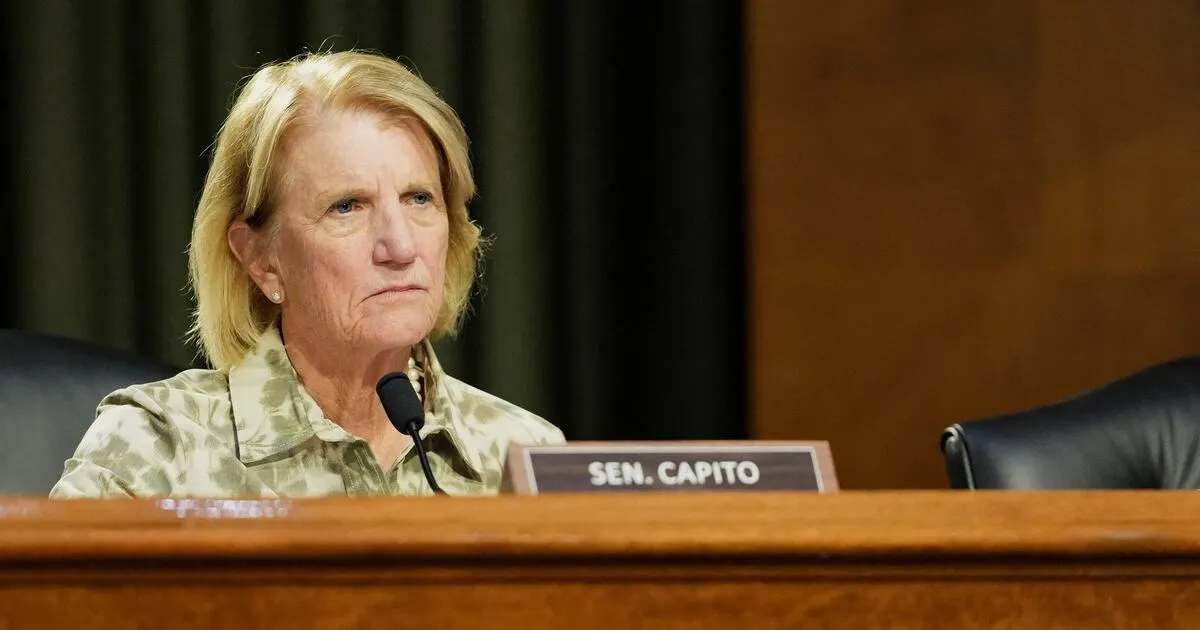 Photo: TimesLIVE
Key points
The Senate passed the Bipartisan American Affordability and Jobs Act, a sweeping permitting reform bill, on 19 November.
The US Senate on Thursday passed the Bipartisan American Affordability and Jobs Act, a sweeping bill to speed approvals for large energy projects such as power plants, transmission lines and data centres, marking Congress's most significant effort in years to ease bottlenecks blamed for rising energy costs. The 62-33 vote was a victory for the bill's two Democratic and two Republican authors, who sought to pass the legislation before a new Congress begins in January.
The bill now heads to the Republican-controlled House of Representatives. If it passes, President Donald Trump has said he will sign it into law. The legislation, four years in the making, comes as legislators seek to address concerns about rising electricity demand driven by artificial intelligence. Fourteen Democrats and one independent joined most Senate Republicans in supporting the measure.
What the bill changes
The bill would impose tighter deadlines on federal environmental reviews, accelerate planning and construction of transmission lines, and limit circumstances under which permits can be revoked or challenged in court. It would also require large AI data centres to cover a greater share of the grid upgrade costs associated with their power needs. The legislation includes changes to how reviews are conducted under the National Environmental Policy Act, National Historic Preservation Act, Endangered Species Act, Federal Power Act and Clean Water Act.
The bill also would give the Federal Energy Regulatory Commission new authority over interstate transmission lines and provide legal recourse when administrations discriminate against certain forms of energy or seek to revisit permits on ideological grounds. That is intended in part to address the Trump administration's actions to delay or block solar and wind energy projects. Democrats walked away from negotiations last year due to those actions but ultimately said they received sufficient assurances that the administration would let stalled wind and solar projects move forward.
Most opposition came from Democrats who argued the measure would weaken environmental protections and tribal sovereignty. Jeff Merkley, a Democratic senator from Oregon, said tribes had not been adequately consulted on the legislation. "So this is where we are: a bill that was dropped as we were leaving for elections that touches on multiple incredibly important factors for states' rights and tribal rights and energy," Merkley said on the Senate floor before the vote. "That needs to be thoughtfully considered in 2027."
Opposition and concerns
Two Republicans, Josh Hawley of Missouri and Mike Rounds of South Dakota, also voted against the bill. A coalition of 11 Tribal organisations argued the bill's changes to consultations required under the National Historic Preservation Act and shortened response periods will severely weaken federal protections for sacred sites. National Congress of American Indians President Mark Macarro called the legislation "an existential threat to Indian Country in the way that we try to protect our religion, our culture, our homelands."
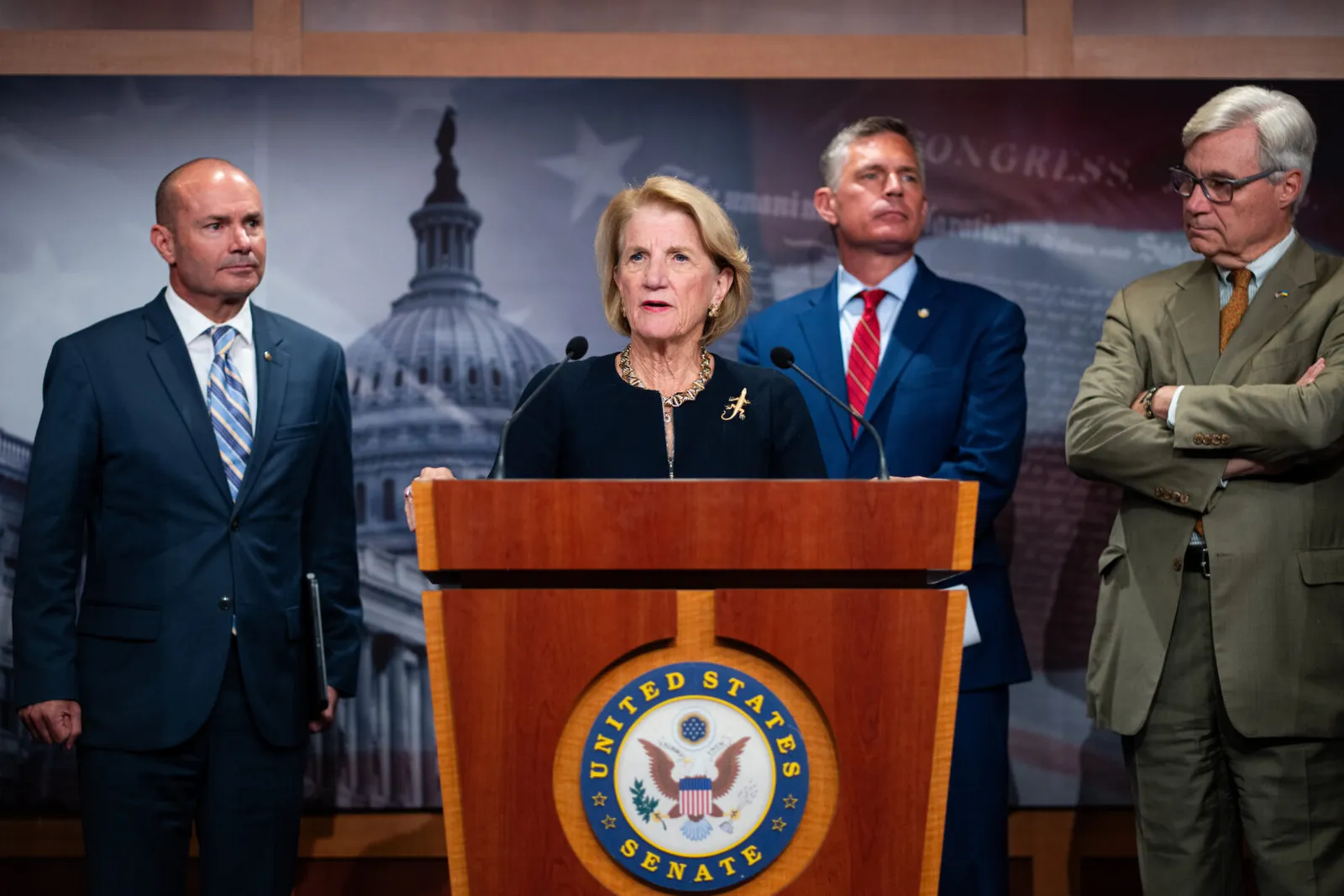
The Senate did not consider any additional amendments to the bill, as initially planned by the sponsors, including Environment and Public Works Chairman Shelley Moore Capito, R-W.Va., panel ranking member Sheldon Whitehouse, D-R.I., Energy and Natural Resources Chairman Mike Lee, R-Utah, and panel ranking member Martin Heinrich, D-N.M. Oregon Democratic Sens. Jeff Merkley and Ron Wyden would not consent to a time agreement allowing consideration of a finite number of amendments because Republicans wouldn't allow up-or-down votes at a simple-majority threshold on some of theirs.
The bill has been endorsed by a wide range of industry groups, who argue that the current federal permitting regime makes it too difficult to finance, plan and construct projects domestically. This includes the American Petroleum Institute, the American Clean Power Association, the U.S. Chamber of Commerce and the National Association of Manufacturers. The White House expressed its support for the bill in a statement of administration policy this month.
Next steps in the House
The bill now moves on to the House, where it seemingly has the votes to pass. Speaker Mike Johnson, R-La., said last week that the bill can pass in the House, while some Democrats including Reps. Scott Peters, D-Calif., and Nikki Budzinski, D-Ill., have expressed support for the bill. House leaders are expected to take up the measure before Congress adjourns its lame-duck session next month, facing pressure from electric utilities, labor unions, and clean energy trade groups to send the package to the president's desk before year's end.
Frequently asked questions
What did the Senate pass on 19 November?
The Senate passed the Bipartisan American Affordability and Jobs Act, a sweeping energy and infrastructure permitting reform bill, by a 62-33 vote.
What does the bill do?
It imposes tighter deadlines on federal environmental reviews, accelerates transmission line construction, limits court challenges to 150 days, and requires large AI data centres to cover more grid upgrade costs.
What happens next?
The bill heads to the House, where Speaker Mike Johnson said it can pass. House leaders are expected to take it up before Congress adjourns next month.