Army delays Iowa lead azide detonation after public outcry
The U.S. Army postponed the Friday detonation of 68 barrels of toxic lead azide in Iowa until Monday, Nov. 23, after residents and officials raised safety concerns.
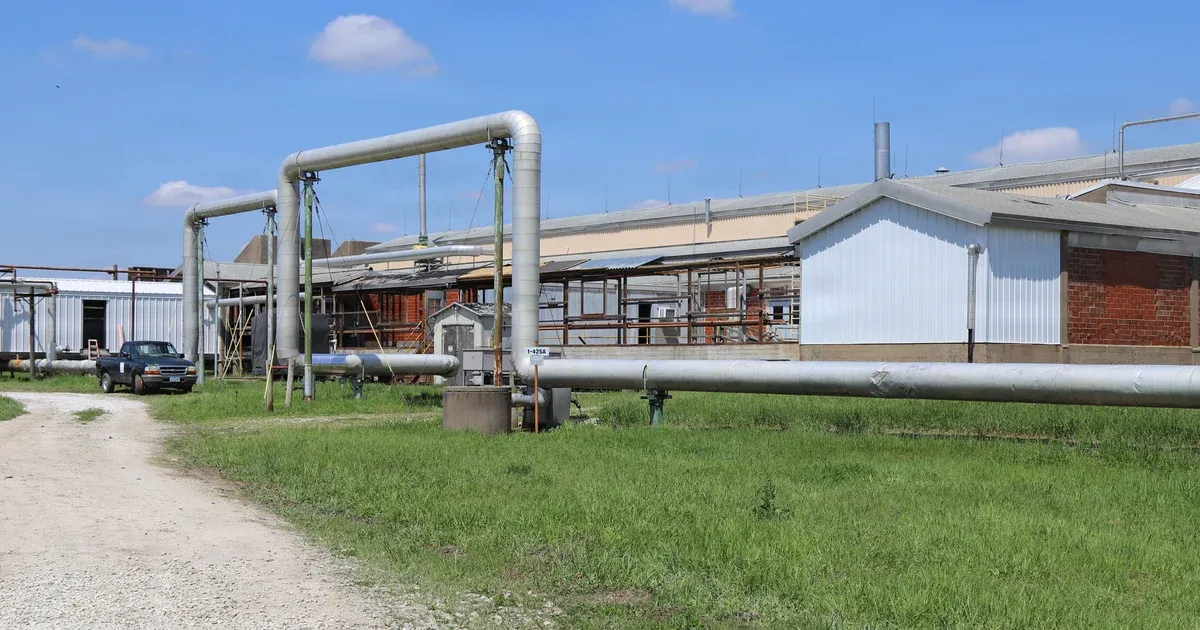 Photo: CBS News
Key points
The Army delayed the Iowa lead azide detonation after public safety concerns.
The U.S. Army has delayed the planned detonation of 68 barrels of unstable lead azide at the Iowa Army Ammunition Plant in Middletown, Iowa, from Friday, Nov. 20, to Monday, Nov. 23, after public outcry over the risk of a toxic lead dust plume. Acting Secretary of the Army Adam Telle announced the postponement on Thursday evening, citing public safety as the top priority.
The detonation was originally scheduled for noon CT Friday at the plant, a small community of 360 people, four hours west of Chicago, near the Mississippi River. The Army plans two controlled detonations involving the barrels, which total about 5 tons of lead azide, a highly sensitive explosive used in military ammunition since World War I.
Public safety concerns
According to the Environmental Protection Agency, the material has deteriorated during storage, allowing lead azide to recrystallize and become increasingly sensitive to friction and shock. The Army said moving or transporting the material now poses an unacceptable risk of accidentally detonating it, potentially even killing the explosives technicians handling it.
The dust plume is expected to spread across portions of eastern Iowa and northwest Illinois, potentially settling on farmland, playgrounds and other surfaces. Lead is a neurological toxicant that can harm the brain, nervous system and other organs, with no safe levels of exposure.
Environmental groups filed a lawsuit Thursday in the 8th U.S. Circuit Court of Appeals to block the detonation. Earthjustice filed the suit on behalf of the Iowa Environmental Council and the Sierra Club Iowa Chapter, challenging the validity of the emergency permit granted by the EPA. They argue the EPA failed to require the Army to consider safer alternatives and that the Army gave inadequate notice.
Legal challenge filed
Wally Taylor, legal chair for the Sierra Club, said the detonation should be canceled outright, not merely delayed. "We don't want the explosion to take place at all," Taylor said Thursday. "There are ways to do it without all the air quality problems and potential health problems." The Army said alternatives such as neutralizing the drums' contents were considered but would increase the probability of an accidental, fatal detonation.
Iowa Gov. Kim Reynolds, who called for the delay, spoke directly with Acting Secretary Telle, her office said. Governor-Elect Rob Sand said there had been "an unacceptable lack of communication and clarity" that has made Iowans "understandably concerned and angry." U.S. Sen. Tammy Duckworth called the operation "poorly planned and poorly communicated," saying it was "a failure of leadership of epic proportions."
Residents in the region expressed frustration and fear. Pam Munce, who lives in Burlington, said she called her daughter and said, "I'm coming to Chicago." Garrett Anthony, also of Burlington, said he plans to put a tarp over his air conditioner and seal windows as best he can. Lucy Giehl, who lives about 4 miles north of the plant, questioned what the Army would do during the delay to help people prepare.
Residents' reactions
The barrels had been stored at the plant for more than 20 years in earthen-covered containers, sitting in a bath of ethanol and water to keep the material stable, said Justine Barati, a public affairs specialist at Army Sustainment Command. A routine check earlier this year found that some of the water had evaporated, Barati said. The risk of accidental detonation increases in cold weather, she added.
The Army said a panel of experts in munitions chemistry, engineering and environmental safety prepared the detonation plan. Officials determined that detonating the explosives in place was the safest available option. The Army described such operations near populated communities as highly uncommon, it told CBS News Chicago. Experts urged residents to take precautions. Patrick O'Shaughnessy, a professor at the University of Iowa's Department of Occupational and Environmental Health, said it's still unknown how much contamination will end up in the atmosphere and on surfaces. Andrew Whelton, an environmental engineering professor at Purdue University, said high doses over a short period can cause lead poisoning. The Army will now proceed with the detonation on Monday, Nov. 23, unless further action is taken. U.S. Sen. Dick Durbin called on the Army to hold a community town hall meeting on Saturday to answer questions before proceeding. The lawsuit seeking to block the detonation remains pending.
Frequently asked questions
Why did the Army delay the detonation?
The Army delayed the detonation after public outcry and concerns about a toxic lead dust plume. Acting Secretary Adam Telle cited public safety as the top priority.
What is lead azide and why is it dangerous?
Lead azide is a highly sensitive explosive used in military ammunition since World War I. It has deteriorated in storage, becoming more sensitive to friction and shock, and poses a risk of accidental detonation.
What are the environmental groups' concerns?
Environmental groups filed a lawsuit to block the detonation, arguing the EPA failed to require the Army to consider safer alternatives and that the Army gave inadequate notice. They say there is no safe level of lead exposure.