EU Commission proposes Frontex expansion to 30,000 officers and new powers
The European Commission proposed on 27 October 2026 expanding Frontex to 30,000 officers, adding a 24-hour quick reaction force and powers to carry out deportations between non-EU countries.
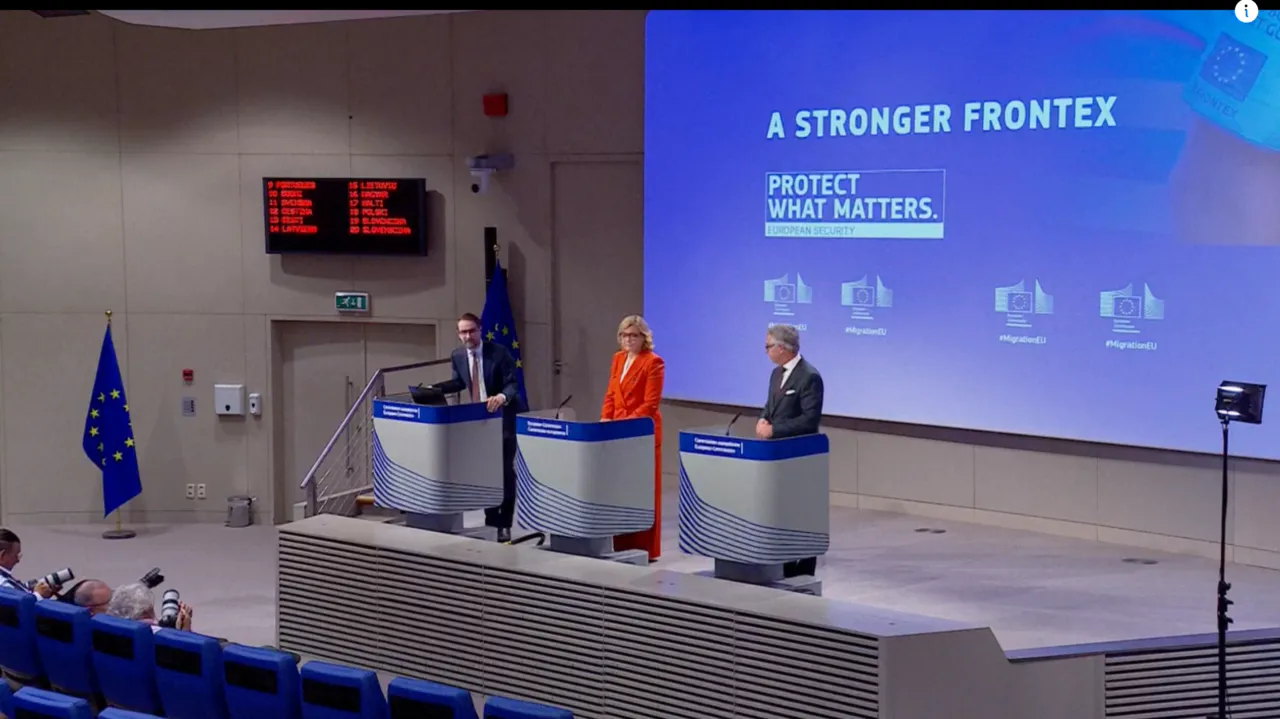 Photo: Balkan Insight
Key points
The European Commission proposed on 27 October 2026 expanding Frontex to 30,000 officers with new powers to act beyond EU territory and coordinate returns.
The European Commission proposed on 27 October 2026 a major expansion of Frontex's powers, including growing the EU border agency's standing corps to 30,000 officers and letting it help carry out deportations between non-EU countries. The plan would also let the Warsaw-based agency deploy a quick reaction force within 24 hours and operate beyond EU territory.
The proposal marks a significant shift in EU migration policy, moving Frontex from supporting member states at Europe's borders to coordinating removals across the EU and, in defined circumstances, beyond them. It follows the Return Regulation, which entered into force on 16 October 2026 and permits member states to establish return hubs in third countries.
What the proposal would change
Home Affairs Commissioner Magnus Brunner said the reform would make Frontex the central EU actor on returns. "Today we propose that Frontex becomes the central EU actor on returns," Brunner told reporters. He said the agency would act faster with a quick reaction force deploying within 24 hours to spot risks early.
The plan would create a European Return Coordination Centre within Frontex to collect and analyse return and reintegration data, forecast future return needs and coordinate operations across the EU. Member states would inform Frontex each year, by 1 November, of their indicative return planning and the assistance they expect from the agency.
Frontex's standing corps would gradually expand to 30,000 officers, including a new European border and return reserve of 17,000 officers by 2041, according to a Commission statement cited.
Where the numbers came from
The Commission proposed allocating €11.8 billion to Frontex for the EU's 2028-2034 budget cycle, nearly double the almost €6 billion earmarked for the agency under the current 2021-2027 framework. The return rate of migrants with no right to stay in the EU was 32-33 per cent, which Brunner said was still too low.
Criticism from rights groups and lawmakers
The proposal would narrow the scope of Frontex's internal rights watchdog, with complaints referred to national authorities. Tineke Strik, a Dutch MEP from the Greens/EFA group, said the Commission was pandering to populism and the far right on migration, and that working with third countries without proper oversight threatened fundamental rights. The proposal still needs to be agreed by member state governments in the Council of the EU before it becomes law.
Frequently asked questions
What did the EU propose for Frontex on 27 October 2026?
The European Commission proposed expanding Frontex's standing corps to 30,000 officers, creating a quick reaction force that deploys within 24 hours, and letting the agency help carry out deportations between non-EU countries.
How much funding is proposed for Frontex?
The Commission proposed allocating €11.8 billion to Frontex for the EU's 2028-2034 budget cycle, nearly double the almost €6 billion under the current 2021-2027 framework.
Who criticised the Frontex proposal?
Tineke Strik, a Dutch MEP from the Greens/EFA group, said the Commission was pandering to populism and the far right on migration, and that working with third countries without proper oversight threatened fundamental rights.