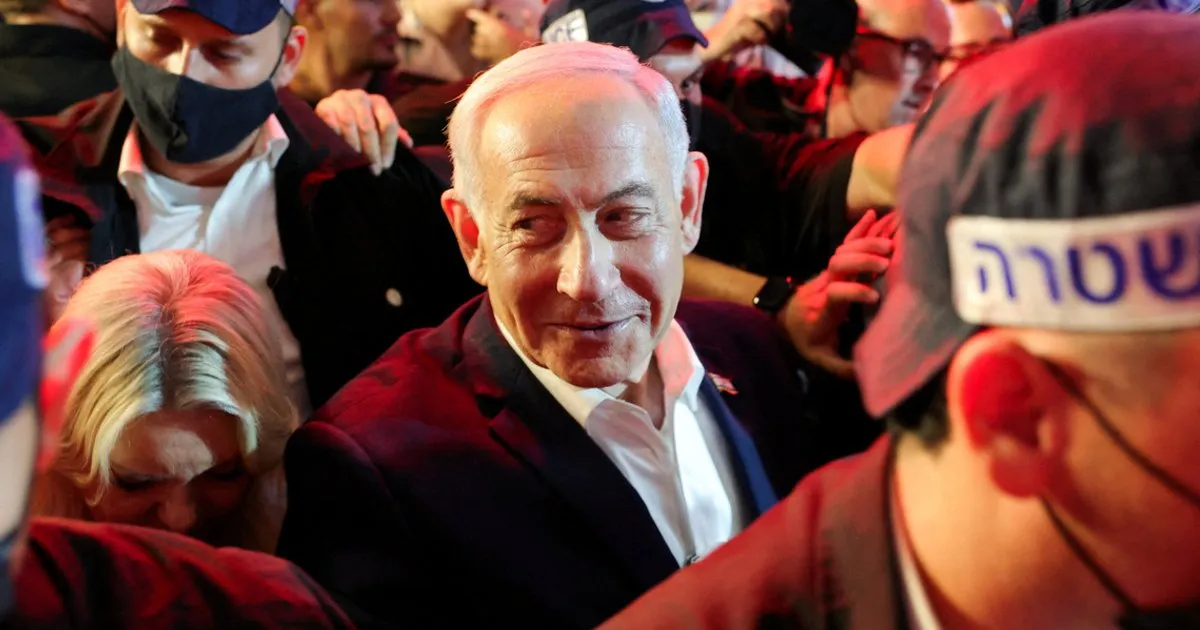
Israel posts record turnout as 44.9% vote by 2pm in election
Israel's election drew the highest turnout since record keeping began in the 1970s, with 44.9% of voters casting ballots by 2pm local time on 27 October 2026, Central Elections Committee figures show.
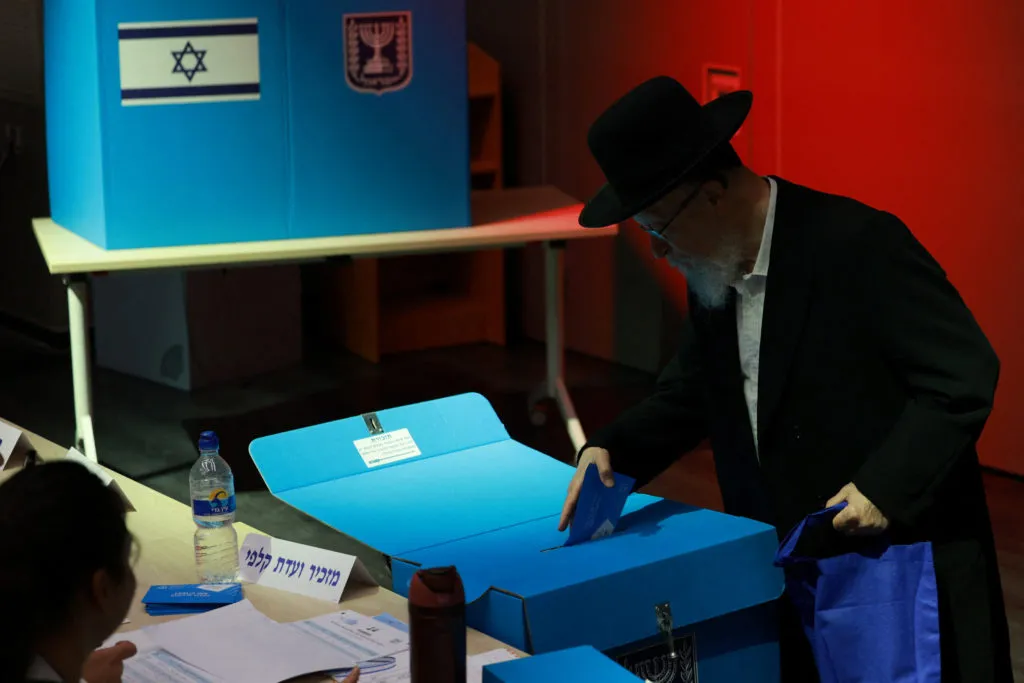 Photo: PBS NewsHour
Key points
Israel's election on 27 October 2026 drew record turnout, with 44.9% of voters casting ballots by 2pm local time, the highest level since record keeping began in the 1970s.
Israel's election on 27 October 2026 drew the highest voter turnout since record keeping began in the 1970s, with 44.9% of voters casting ballots by 2pm local time, according to the Central Elections Committee. Voting remains open until 10pm local time, and exit polls are due at 10pm Israeli time (8pm GMT).
The election is widely seen as a referendum on Benjamin Netanyahu, Israel's longest-serving prime minister, and his chief rival is Gadi Eisenkot, a former military chief of staff. Israelis vote for parties rather than individuals, and no single party has ever won a majority in the Knesset, meaning coalition bargaining will follow the count.
Why this election matters more
Over three dozen parties are competing, with roughly one dozen expected to win enough seats to enter parliament. Netanyahu, 77, leads the nationalistic Likud, Israel's largest party. Eisenkot, 66, spent four decades in the military and now leads the centrist Yashar party after entering politics in 2022. The campaign has unfolded against the background of the Hamas-led attacks of 7 October 2023, in which militants killed 1,200 people, mostly civilians, and abducted 251 others. Around 68% of Jewish Israelis say their attitudes to those attacks are a central factor in choosing a party, according to the Israel Democracy Institute, a Jerusalem think tank.
Turnout climbed steadily through the day. By noon, 31.5% of Israelis had voted, the highest midday figure since 1977, Central Elections Committee data shows. At 10am local time, turnout was already the highest at that stage of voting since 1981. Queues grew long enough that the electoral authority told polling staff to begin verifying identification documents while voters were still in line.
Where turnout figures came from
The 2pm figure of 44.9% is about 6% higher than at the same hour in the 2022 election, when Netanyahu assembled a slim majority coalition with far-right and ultra-Orthodox parties. More than 500,000 Israelis have reached voting age since 2022, and a Channel 12 poll found three-quarters of first-time Jewish voters place themselves right or centre-right; that poll did not survey Palestinian citizens of Israel.
Netanyahu urged supporters to flock to the polls, posting on social media that "Muslim Brotherhood supporters are raiding the polling stations and stealing the elections" and claiming buses were heading to polling stations in Arab communities. The Central Elections Committee told journalists there had been no indication of widespread irregularities.
Netanyahu's fraud claims rejected
Military service has divided voters. About a quarter of Jewish voters polled by the Israel Democracy Institute ranked mandatory military service as a key factor in their choice. Netanyahu's coalitions have long relied on ultra-Orthodox parties demanding exemptions for young men in religious study, while Eisenkot, who lost his son and two nephews to combat in Gaza, has vowed to end those exemptions.
Tens of thousands of Israelis living abroad have flown in for the vote, according to Aid Coalition. Other leading figures include Naftali Bennett, 54, a former prime minister running on a joint ticket with Yair Lapid; Itamar Ben-Gvir, 50, the national security minister; and Yair Golan, 64, who leads the center-left Democrats.
Frequently asked questions
What was voter turnout in Israel's election?
By 2pm local time on 27 October 2026, 44.9% of voters had cast ballots, the highest turnout since record keeping began in the 1970s, according to the Central Elections Committee. By noon, turnout was 31.5%, the highest midday figure since 1977.
Who are the main candidates in Israel's election?
Benjamin Netanyahu, 77, leads the nationalistic Likud party. His chief rival is Gadi Eisenkot, 66, a former military chief of staff who leads the centrist Yashar party. Other leading figures include Naftali Bennett, Itamar Ben-Gvir and Yair Golan.
When are election results expected?
Voting is open until 10pm local time. Exit polls are released at 10pm Israeli time (8pm GMT), and the first indication of actual vote counts usually emerges in the early hours of the morning. Coalition bargaining could take weeks or months.