FIFA confirms cyberattack as hackers claim 12GB of data
FIFA said on 26 November that a criminal cyberattack gave unauthorised access to a limited set of personal and business information, as a group claimed about 12GB of data.
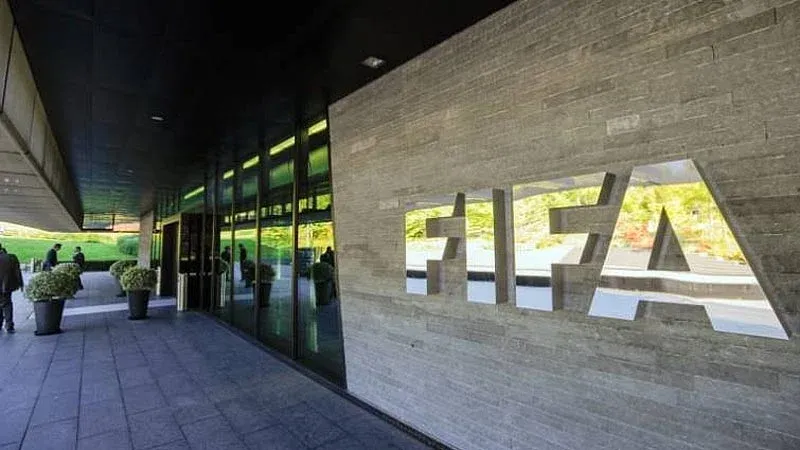 Photo: Punch
Key points
FIFA confirmed a criminal cyberattack gave unauthorised access to a limited set of personal and business information; a group claimed about 12GB of data.
FIFA confirmed on 26 November that it had been the victim of a criminal cyberattack that gave unauthorised access to a limited set of personal and business information. The world football governing body, based in Zurich, Switzerland, said it was working closely with the relevant authorities, including law enforcement. The admission followed reports that FIFA had been hacked.
What FIFA confirmed
A group calling itself the Handsome Boy Hacking Club claimed responsibility, having posted a screenshot on X of what it said were FIFA files. It appeared to take credit for the hack when responding to a post saying more than 12 gigabytes of internal documents had been leaked. FIFA condemned the attack in strong terms. “FIFA condemns in the strongest possible terms the unlawful acquisition and publication of information, particularly personal data,” the organisation said, calling such actions a serious and unacceptable violation of privacy.
The scale appears small against FIFA's total holdings. A person with knowledge of the matter said less than 0.1 percent of the total data held by world football's governing body was affected. The hacking group claimed approximately 12GB of data, a figure FIFA has not confirmed. FIFA has not said how many people or organisations were affected, when the attack took place, or what the business information included. Its reference to publication did not say whether any data had appeared online, or where.
How the attackers got in
The route in was human rather than technical. A FIFA source said that the person or group responsible gained access by impersonating staff rather than through a systems or technical failure. Reports said the attackers impersonated staff members and exploited their trust, so no internal system or technology infrastructure failed.
Not everything was exposed. No files from the abandoned FIFA Forward Enterprise project were accessed, according to media reports. That project was linked to FIFA president Gianni Infantino's plan to raise up to $4.2bn by selling a 20 percent stake in a new unit that would run FIFA tournaments, including the World Cup, a plan he said in July had been scrapped.
Election ballot on 18 March 2027
Football Association chair Debbie Hewitt was reportedly granted access to the relevant files after agreeing to sign a non-disclosure agreement. Gianni Infantino is among the candidates for election as FIFA president, alongside Philippe Diallo and Kohzo Tashima. The election ballot will be held in the Spring on 18 March 2027. FIFA has not linked the cyberattack to the election or to any individual's campaign.
The incident adds to concern about the security of confidential information within major international sporting organisations, particularly as cybercriminals increasingly exploit human vulnerabilities to gain access to sensitive data. FIFA's own statement points affected parties toward law enforcement rather than offering individual notifications. FIFA said it is working closely with the relevant authorities, including law enforcement, and has not set a date for publishing the full extent of the breach. The next fixed date in the affair is the presidential election ballot on 18 March 2027.
Frequently asked questions
What did FIFA confirm about the cyberattack?
FIFA confirmed it was the victim of a criminal cyberattack resulting in unauthorised access to a limited set of personal and business information, and said it is working with relevant authorities, including law enforcement.
How did the attackers get into FIFA's systems?
A FIFA source said those responsible gained access by impersonating staff rather than through a systems or technical failure, exploiting employees' trust.