France braces for 600 demonstrations as authorities expect 140,000 protesters
French authorities expect between 70,000 and 140,000 people at more than 600 demonstrations on Saturday, as students, unionists and Yellow Vest activists protest high prices and school conditions.
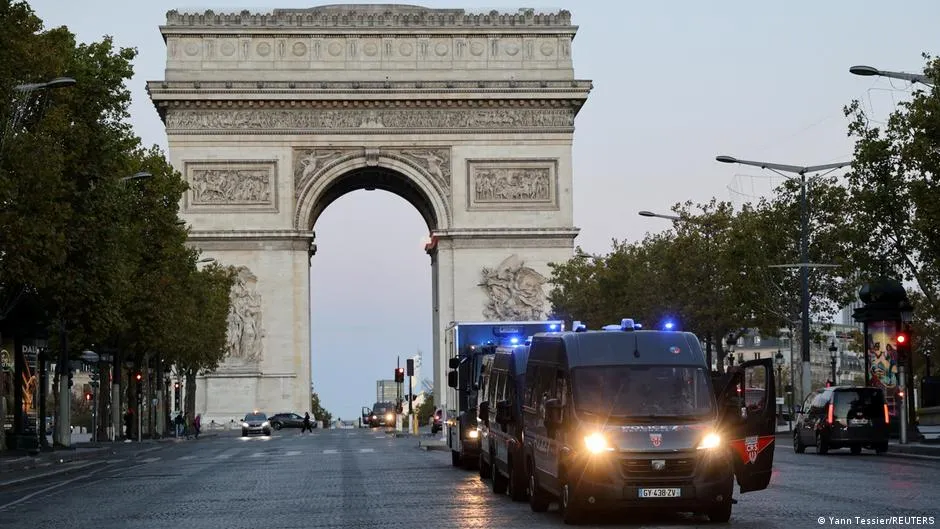 Photo: Deutsche Welle
Key points
French authorities expect between 70,000 and 140,000 people at more than 600 demonstrations nationwide on Saturday over high prices and school conditions.
France braces for more than 600 demonstrations on Saturday, with authorities expecting between 70,000 and 140,000 people to take to the streets nationwide, according to French authorities cited. Protest organisers plan rallies across the country airing grievances from high prices and social inequalities to a dilapidated education system, with students, trade unionists and Yellow Vest activists joining forces.
The protests follow a wave of school demonstrations that began last month, when high school students on the outskirts of Paris protested teacher absences and run-down facilities. That movement grew into a nationwide campaign against social inequality, with hundreds of thousands demonstrating over the past four weeks for better funding to tackle teacher shortages, reduce class sizes and improve learning conditions, according to the ARTE Europe Weekly programme.
How the school movement grew
High school union representatives said they were disappointed after meeting French Education Minister Édouard Geffray on Thursday evening, the third such meeting since the movement began last month. Marius Mesnil of the Union syndicale lycéenne said his union walked out because it was not being heard, and that the union would not attend a further meeting on Monday. The union plans to engage directly with Prime Minister Sébastien Lecornu's office rather than the education ministry.
Authorities expect up to 140,000 people nationwide, while a police source told the French news agency that authorities estimate nearly 200,000 will attend, with 40,000 expected in Paris. Interior Minister Laurent Nunez told France 2 television that "a pretty big turnout" was expected. The main Paris demonstration is due to begin at 2 p.m. (1200 GMT) at the Place de la République and head north through the city.
Paris demonstrators will face restrictions: police banned rallies around the Élysée presidential palace, the prime minister's office and the Champs-Élysées avenue, along with other key locations, and forbade a march through the centre of the city. Protesters plan traffic-filtering roadblocks, a tactic used widely during the 2018–2019 Yellow Vest movement, plus blockades of railway stations, bridges, toll booths and petrol stations.
Where the numbers came from
Prime Minister Sébastien Lecornu said on Thursday that authorities fear violence, calling the moment "a moment of fatigue in the country" and describing an atmosphere of "perma-crisis: wars, inflation, and issues surrounding purchasing power." Jordan Bardella, head of the far-right National Rally, said at the Paris car show: "I'm extremely concerned. It will be a day of chaos for France."
The school protests have already seen considerable violence, with more than 900 police injured since they began, according to Lecornu. In one incident, an adolescent pupil had one hand blown off and several fingers on the other hand injured by a stun grenade. The internal police watchdog is investigating at least two dozen cases of alleged police violence. Security chiefs suspended stun grenades for student demonstrations, though Nunez told Télématin on Friday they could be used on Saturday.
President Emmanuel Macron called "for calm and respect" ahead of the protests, saying the right to protest went hand in hand with "respect for people and property." Speaking in Brussels on Friday, Macron said the right to demonstrate must be accompanied by respect without insulting people or smashing things up. Jean-Luc Mélenchon of La France Insoumise welcomed the day of action, and Greens leader Marine Tondelier and Communist Party head Fabien Roussel are also expected to take part.
What happens on Monday
The Yellow Vest movement, which staged mass weekly protests from November 2018 to June 2020, began against rising fuel prices before turning against the high cost of living. One protester, Myrtil Devillers, said petrol cost €1.40 a litre when she first protested and now costs €2.20. The government has blamed La France Insoumise for inflaming public discontent, an allegation the party has denied.
High school unions Les Lycéens! and the Union syndicale lycéenne have called on pupils to join Saturday's demonstrations alongside other dissatisfied groups. The Union syndicale lycéenne said it would not attend a further meeting with the education ministry scheduled for Monday, and instead plans to engage directly with Prime Minister Sébastien Lecornu's office.
Frequently asked questions
How many people are expected at France's protests on Saturday?
French authorities expect between 70,000 and 140,000 people nationwide, with about 40,000 expected in Paris. A police source told the French news agency authorities estimate nearly 200,000 will attend overall.
Why are protesters taking to the streets in France?
Protesters are airing grievances over high prices, social inequalities and a dilapidated education system. The movement began last month with high school students protesting teacher absences and run-down facilities, then grew into a nationwide campaign against social inequality.
What restrictions have police placed on the Paris protests?
Police banned rallies around the Élysée presidential palace, the prime minister's office and the Champs-Élysées avenue, along with other key locations, and forbade a march through the centre of the city. The main demonstration starts at 2 p.m. at the Place de la République.