France deploys 70,000 police as Yellow Vests defy ban
On 7 November, French unions and Yellow Vests plan protests over living costs, with 70,000 police deployed and a banned Paris rally.
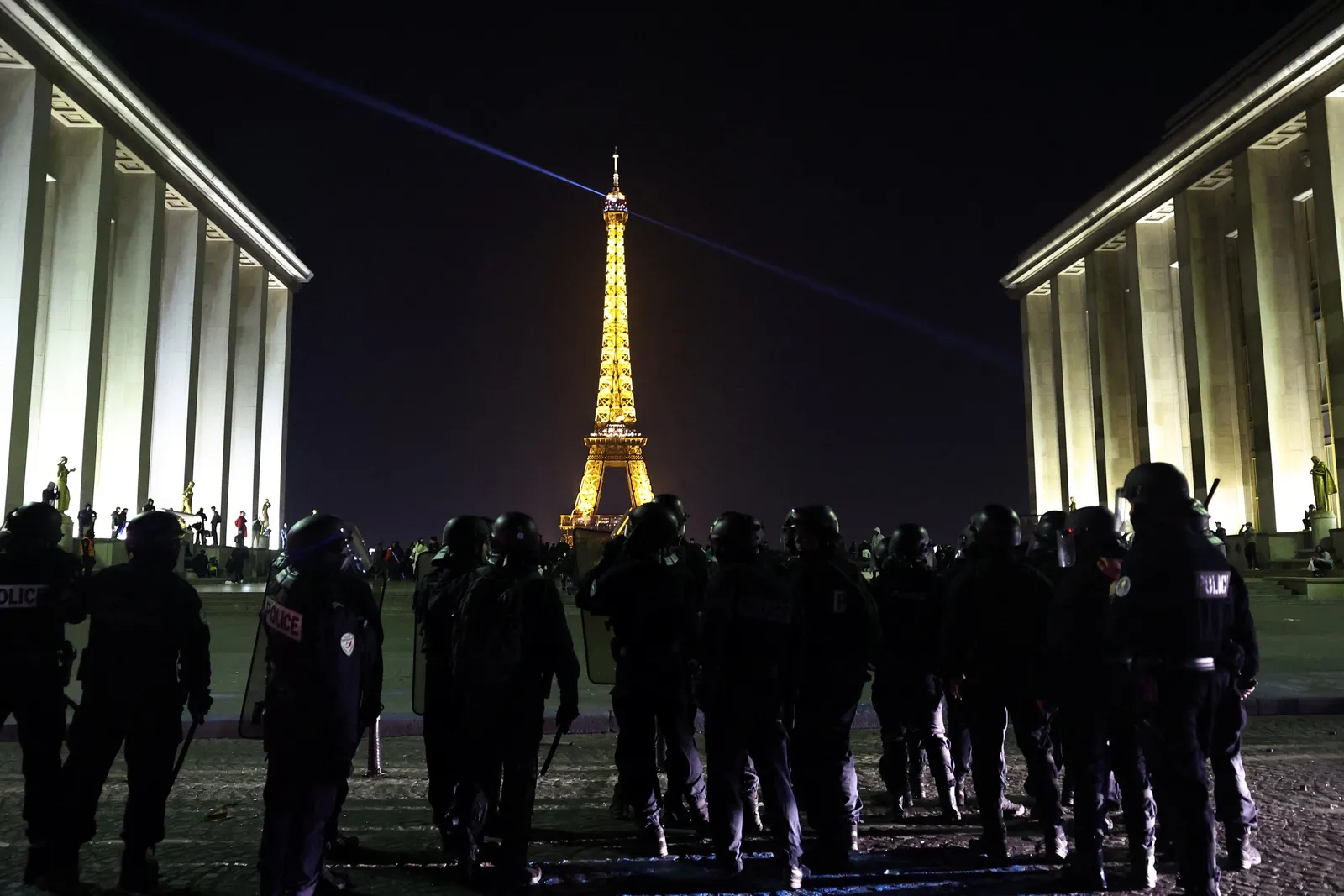 Photo: Arab News
Key points
French unions and Yellow Vests plan protests on 7 November over living costs, with 70,000 police deployed and a banned Paris rally.
French unions and student groups are set to take to the streets for another day of protests on Saturday, while the Yellow Vests movement plans a separate rally in central Paris despite a ban by authorities. Interior Minister Laurent Nunez said 70,000 police officers and security forces would be deployed across the country. "If there are any rioters or looters ... we'll be ready and waiting for them," he said.
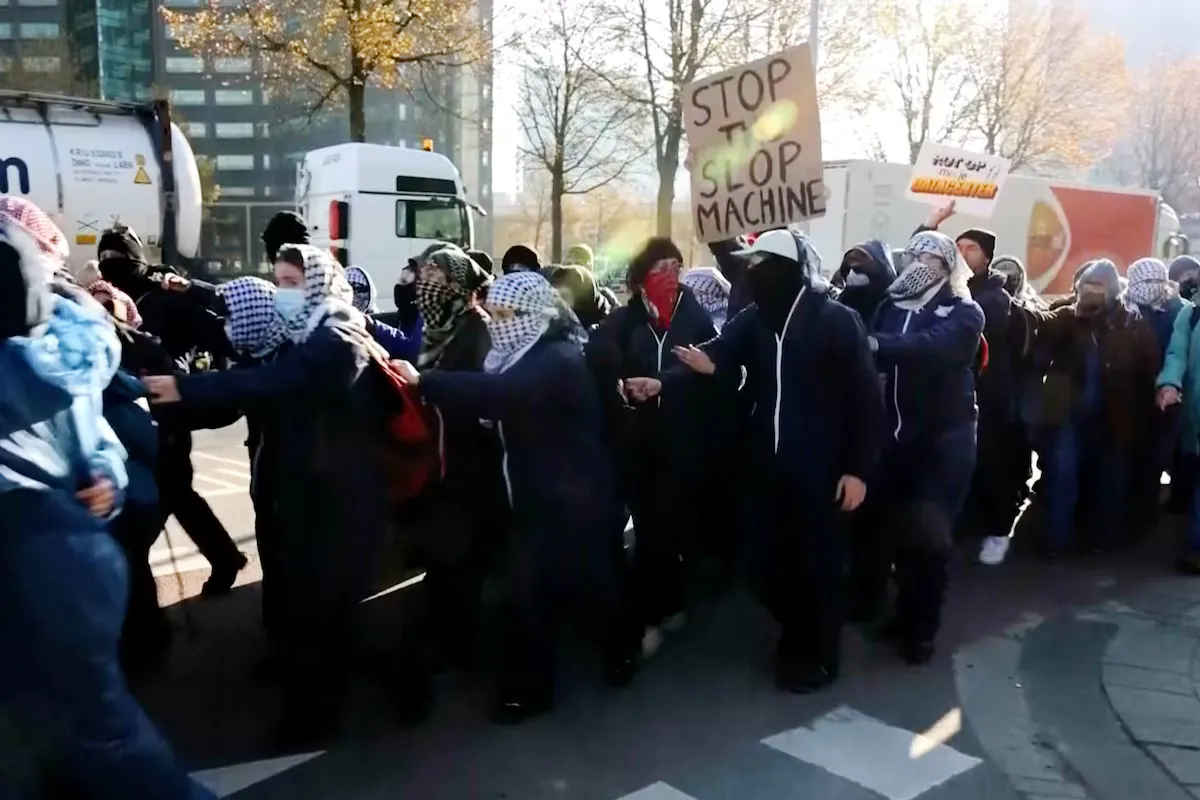
The demonstrations follow weeks of youth-led unrest and nationwide strikes that drew hundreds of thousands of workers protesting over the rising cost of living. Student groups and trade unions have called for an authorised march in central Paris "against the high cost of living and in support of young people". Yellow Vests activists, however, have refused to join, instead calling for a separate rally at Place de la Concorde, near the lower house of parliament and presidential palace, despite a ban by authorities, and called for "mass disobedience".
Banned rally planned
The Yellow Vests movement, which staged street protests eight years ago against Macron's government over planned fuel tax hikes, has called for its banned rally to go ahead. "We are calling for mass disobedience," said Benjamin Ball, a member of its coordinating committee. The authorities are determined to prevent a repeat of the rioting and looting that marred the Oct 17 demonstrations, although the interior ministry said the Nov 5 protests had "generally gone well" despite 642 arrests.
The demonstrations have been largely peaceful, but there have at times been clashes with police or vandalism on their sidelines, including on October 17, when France saw its worst unrest in years. On Thursday, hundreds of thousands of striking workers took to the streets across France in mostly orderly protests, although clashes between demonstrators and police broke out in several cities. The police response has faced criticism for being heavy-handed, with dozens of internal investigations launched into allegations of brutality against demonstrators.
A growing wave of discontent is sweeping across Europe. What began in France as student protests over deteriorating school conditions, teacher shortages and an education system under pressure has quickly grown into something much bigger: a groundswell of discontent over the rising cost of living, unaffordable housing and struggling public services. The demonstrations come less than six months before voters elect a new head of state to replace centrist President Emmanuel Macron, with the far-right leading in the opinion polls.
Police deployment and arrests
Prime Minister Sebastien Lecornu has said he will discuss wages and purchasing power with representatives of trade unions and employers' organisations on Nov 9. "The only thing that will bring the protests to an end is a response to the demands that have been put forward for several weeks by workers, civil servants, young people and pensioners," an inter-union coalition said on Nov 6. The unions are calling for an increase in the minimum wage, which has not received any discretionary boost since 2012, across-the-board wage raises, tax reforms and better learning conditions for young people.
With the European Union's second-largest economy under pressure to rein in debt, the government has limited scope to appease protesters. The interior ministry said the Nov 5 protests had "generally gone well" despite 642 arrests, but the police response has faced criticism for being heavy-handed, with dozens of internal investigations launched into allegations of brutality against demonstrators. The authorities are determined to prevent a repeat of the rioting and looting that marred the Oct 17 demonstrations.
Government response
The protests are expected across France as unions and student groups rally against rising living costs, joined by the Yellow Vests movement despite a ban in Paris. The demonstrations have been largely peaceful, but there have at times been clashes with police or vandalism on their sidelines, including on October 17, when France saw its worst unrest in years. On Thursday, hundreds of thousands of striking workers took to the streets across France in mostly orderly protests, although clashes between demonstrators and police broke out in several cities.
The next step is the meeting on Nov 9, when Prime Minister Sebastien Lecornu will discuss wages and purchasing power with representatives of trade unions and employers' organisations. The inter-union coalition said on Nov 6 that only a response to the demands will end the protests. The unions are calling for an increase in the minimum wage, which has not received any discretionary boost since 2012, across-the-board wage raises, tax reforms and better learning conditions for young people.
Frequently asked questions
What are the protests in France about?
The protests are over the rising cost of living, unaffordable housing, and struggling public services. They began as student protests over school conditions and teacher shortages, then grew into a wider movement.
Why is the Yellow Vests rally banned?
The authorities banned the Yellow Vests rally at Place de la Concorde in central Paris, near the parliament and presidential palace. The movement has called for 'mass disobedience' and plans to hold the rally anyway.
How many police are being deployed?
Interior Minister Laurent Nunez said 70,000 police officers and security forces would be deployed across the country on the day of the protests.