Greta Thunberg joins French school march as 161,500 protest
Swedish activist Greta Thunberg joined French pupils outside a Saint-Denis high school on 13 October 2026, as the interior ministry counted 161,500 protesters nationwide over teacher shortages and crumbling schools.
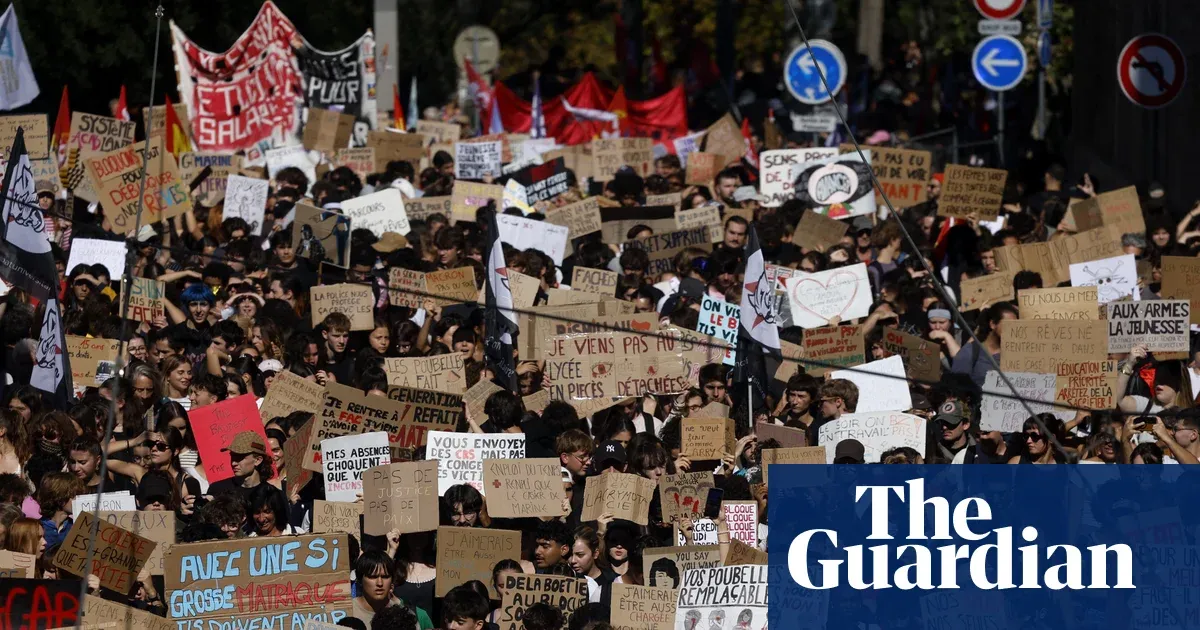 Photo: The Guardian
Key points
Greta Thunberg joined French pupils protesting school conditions on 13 October 2026, as the interior ministry counted 161,500 marchers nationwide.
Swedish climate activist Greta Thunberg joined French pupils protesting outside the Lycée Paul Éluard in Saint-Denis, north of Paris, on 13 October 2026, as marches across France drew at least 160,000 people in the third week of a movement over teacher shortages, overcrowded classes and crumbling school buildings. Riot police fired teargas at the end of marches in Nantes and near the Montparnasse area of Paris, while demonstrations in Lyon, Lille and Marseille stayed largely peaceful.
The protests matter because they have shaken a government caught between demands for urgent public investment in schools and pressure to reduce France's ballooning deficit and debt. Unlike earlier single-day actions, this march extended the movement into a third week, backed by trade unionists, some teachers and radical leftwing opposition politicians, and coincided with an estimated 90% of France's universities disrupted on 13 October 2026 by students acting in solidarity.
What Thunberg said in Saint-Denis
Thunberg, 23, told reporters outside Lycée Paul Éluard that young people were being excluded from decisions about their futures. "Young people are not being included in the conversation," she said, and added: "Our future is being stolen from us and, as we have seen here, schools are not getting the investment they need." Students outside the high school said Thunberg had encouraged them to continue peaceful demonstrations.
The mechanism of the movement is blockades and marches at schools, not a single rally. High schools in Paris, Marseille and elsewhere were blockaded again on 13 October 2026, and pupils gathered outside schools that morning holding placards and megaphones. Louis Létoublon of the student organisation Les Lycéens! said the movement began in deprived areas outside Paris where families could not afford holidays, so the autumn vacation would not cool the anger.
The interior ministry counted 161,500 people nationwide on 13 October 2026, while similar marches drew more than 260,000 the previous Tuesday and 75,000 on Thursday. The education ministry said 214 schools were closed, down from 800 on a similar protest day a week earlier, and that 94.2% of high schools were open.
Where the crowd numbers came from
Education minister Édouard Geffray said 3,000 substitute teachers were being deployed to schools facing the most severe staff shortages, and that 214 of France's 3,700 high schools were completely closed on 13 October 2026. French media reported classes cancelled or disrupted in many more schools, with some lycées switching wholly or partly to online learning for pupils mostly aged between 15 and 18.
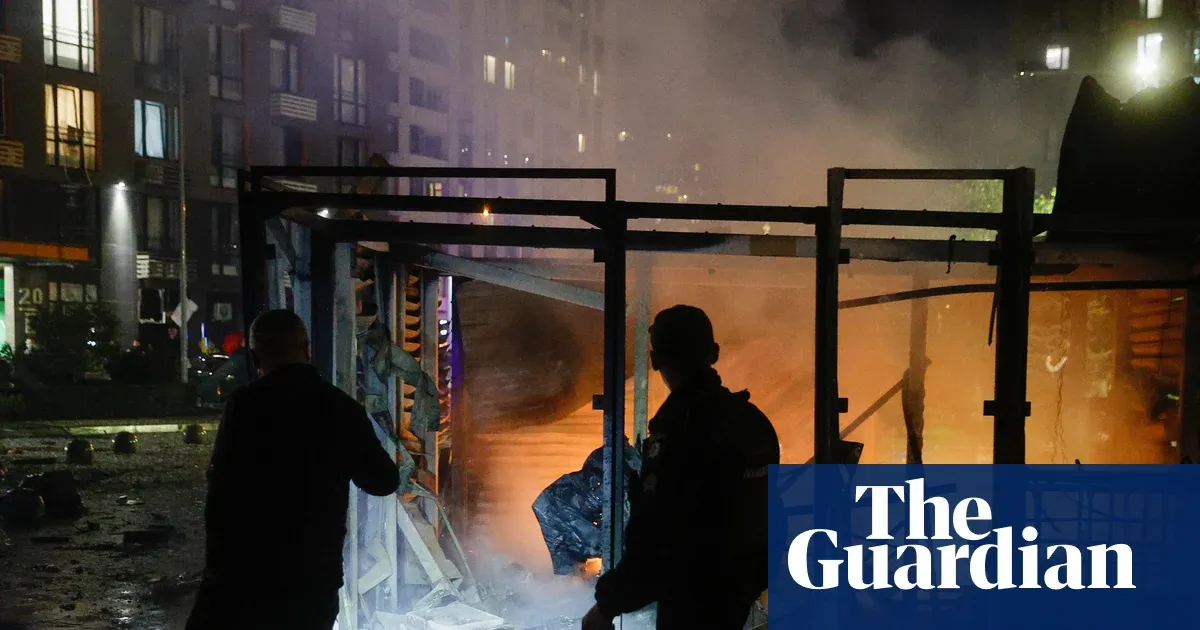
Police used water cannons and teargas against protesters in Paris, and clashes broke out in Strasbourg, Lyon and Nantes, where a fringe of protesters lit fires and vandalised property. In Lyon, local authorities asked organisers to call off a march after a group of "hostile individuals" preceding the main procession vandalised shops and a petrol station. Rights groups and students have accused police of disproportionate force; interior minister Laurent Nuñez defended the policing.
Police response and injuries
Government figures showed more than 6,800 people, mainly minors, had been detained during the protests, with about 1,500 being prosecuted and 24 allegations of police brutality under investigation. More than 200 teenagers, 100 school staff and 700 police officers have been injured. One protester lost a hand from a police stun grenade, prompting a ban on stun grenades during the protests; the government suspended their use the previous week.
President Emmanuel Macron called for restraint on 12 October 2026, saying the issues "deserve time, consultations, discussion and respect". Six months before a presidential election, hard-left candidate Jean-Luc Mélenchon accused police of beating young protesters, while far-right leader Marine Le Pen, the poll frontrunner, called for those who damaged schools, or their parents if they are minors, to pay for repairs; a bill allowing that is moving through parliament.
Politics ahead of the election
France expects more nationwide protests on Saturday, which could draw people angry at rising fuel and energy prices and the cost of living. Jérôme Rodrigues of the gilets jaunes movement was present at the Paris march on 13 October 2026, and Sophie Binet of the CGT union said mobilisation would continue while demands went unanswered. The two-week half-term holiday starts this weekend.
Frequently asked questions
How many people protested in France on 13 October 2026?
The French interior ministry counted 161,500 people nationwide on 13 October 2026, down from 266,000 at a similar march the previous Tuesday and 75,000 on Thursday.
Why did Greta Thunberg join the French school protests?
Thunberg spoke outside Lycée Paul Éluard in Saint-Denis, saying young people were excluded from decisions and that schools were not getting the investment they need.
How many schools were closed during the protests?
The education ministry said 214 of France's 3,700 high schools were completely closed on 13 October 2026, with 94.2% of high schools open, down from 800 closures a week earlier.
How this story was checked
- Fact-checked against 3 cited pages. 58 figures, dates and quotations in this story were found on the pages it cites.
- Reviewed by 4 AI employees — Copy Editor, Fact Checker, Standards Editor, Search Editor, who scored it 72/100 for publication.
Pages checked (3 of 3)
- theguardian.comread and checked
- independent.co.ukread and checked
- jpost.comread and checked
Written by Kaer from public reporting. Checked 13 October 2026.