General Motors pays 36 states $220 million over driver data sales
General Motors agreed on 29 October to pay $220 million to 36 states to settle claims it sold drivers' private location and driving data to brokers who passed it to insurers.
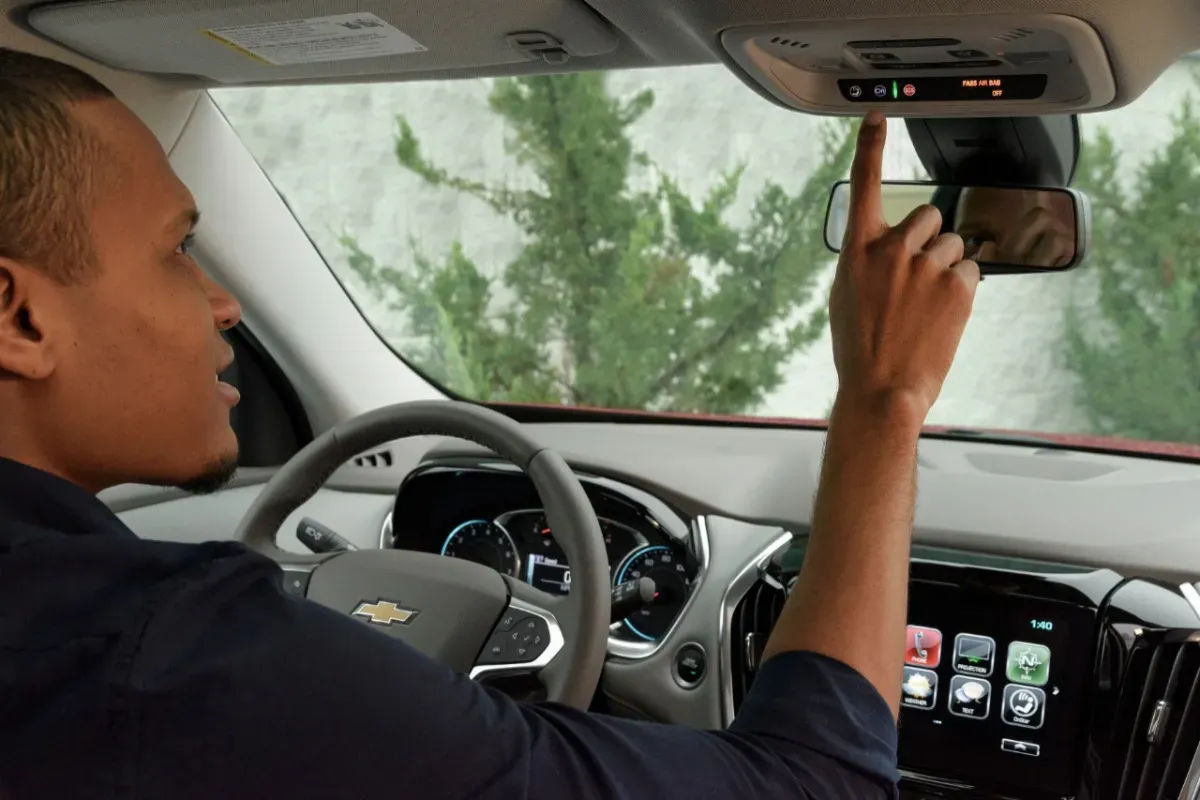 Photo: TechCrunch
Key points
General Motors agreed to pay $220 million to 36 states to settle claims it sold drivers' private data to brokers who passed it to insurers.
General Motors will pay $220 million to settle claims by attorneys general from 36 states that it illegally sold drivers' private behaviour and location data to data brokers, who then sold the information to insurers that used it to set and sometimes increase rates. The settlement was announced on 29 October.
The settlement resolves claims that GM sold data from its Smart Driver program, a free feature in its connected car apps that tracked and rated driving behaviors and seatbelt use. Smart Driver enrolled millions of drivers between 2016 and its discontinuation in 2024. The states alleged GM failed to notify drivers they were enrolled and that their data was being collected.
What the settlement requires
Under the settlement, GM must obtain drivers' express consent before collecting or sharing their driving and location data, and must limit the driving data it collects. A new requirement obliges GM to have a third-party assess its compliance with the privacy program it has put in place. Consumer restitution is not provided for by the settlement, though a nationwide private class-action lawsuit seeking monetary relief remains pending, according to Attorney General Dana Nessel's office.
Oregon Attorney General Dan Rayfield and Washington Attorney General Nick Brown co-led the states' case, which also included New York, Florida, Michigan, Nevada, Pennsylvania, and many others. "People bought a car, not a tracking device," Rayfield said. "GM told drivers this program would help them drive more safely and promised it wouldn't share their data with insurers without permission. Our investigation found GM sold that data anyway."
The data was collected through GM's Smart Driver program and passed to data brokers LexisNexis and Verisk, which in turn sold it to insurance providers, where it could affect customers' rates. The allegations surround acceleration, braking, and trip length data. Many people who signed up for Smart Driver were also enrolled in GM's OnStar safety, navigation and diagnostic service.
How the data reached insurers
GM discontinued Smart Driver in 2024, but that did not stop legal action. The Federal Trade Commission finalized an order in January that bans GM and its OnStar telematics service from sharing certain consumer data. The FTC settlement, as well as the multi-state one, requires GM to be more transparent with consumers and receive their explicit consent for certain collection.
GM said in a statement that the agreement addresses Smart Driver, a product it ended in 2024, and reinforces steps it has taken to strengthen its privacy practices. GM spokesperson Charlotte McCoy said the company is committed to being clear about what information is used, how it is protected, and the choices customers have about what they share.
GM now says it will no longer sell vehicle information that can be linked to an individual, their vehicle location, or how they drive. However, GM may still disclose anonymized data not tied to an individual with certain partners. The company has updated the language in its privacy policy and created a consumer-facing Privacy Center.
Insurers such as Allstate, Progressive and Berkshire Hathaway's Geico use so-called telematics in monitoring drivers' habits. They say the technology rewards good driving through lower premiums. The settlement comes as more sensor-laden vehicles equipped with computing power enter the market, and automakers make large bets on software-centric vehicles. GM is adding a personal AI assistant to OnStar, its 30-year-old safety and roadside assistance service, with cameras connected to the software to offer live views as well as crash and safety recordings. At its GM Forward event in October, the company said customers will have the ability to decide what data is shared and that recordings have time limits and are encrypted. A nationwide private class-action lawsuit seeking monetary relief for drivers remains pending, according to Attorney General Dana Nessel's office. The settlement provides no consumer restitution, leaving that case as the remaining route for drivers seeking money over the data sales.
Frequently asked questions
How much is General Motors paying to settle the driver data claims?
General Motors will pay $220 million to settle claims by attorneys general from 36 states that it sold drivers' private behavior and location data to data brokers, who then sold it to insurers.
What was the Smart Driver program?
Smart Driver was a free feature in GM's connected car apps that tracked and rated driving behaviors and seatbelt use. It enrolled millions of drivers between 2016 and its discontinuation in 2024.
What does the settlement require General Motors to do?
GM must obtain drivers' express consent before collecting or sharing their driving and location data, limit the driving data it collects, and have a third-party assess its compliance with its privacy program.