Google dismantles 1.3 million-device Android botnet, bans Videostrong
Google and partners disrupted the XCPE botnet of more than 1.3 million Android devices and cut ties with manufacturer Videostrong.
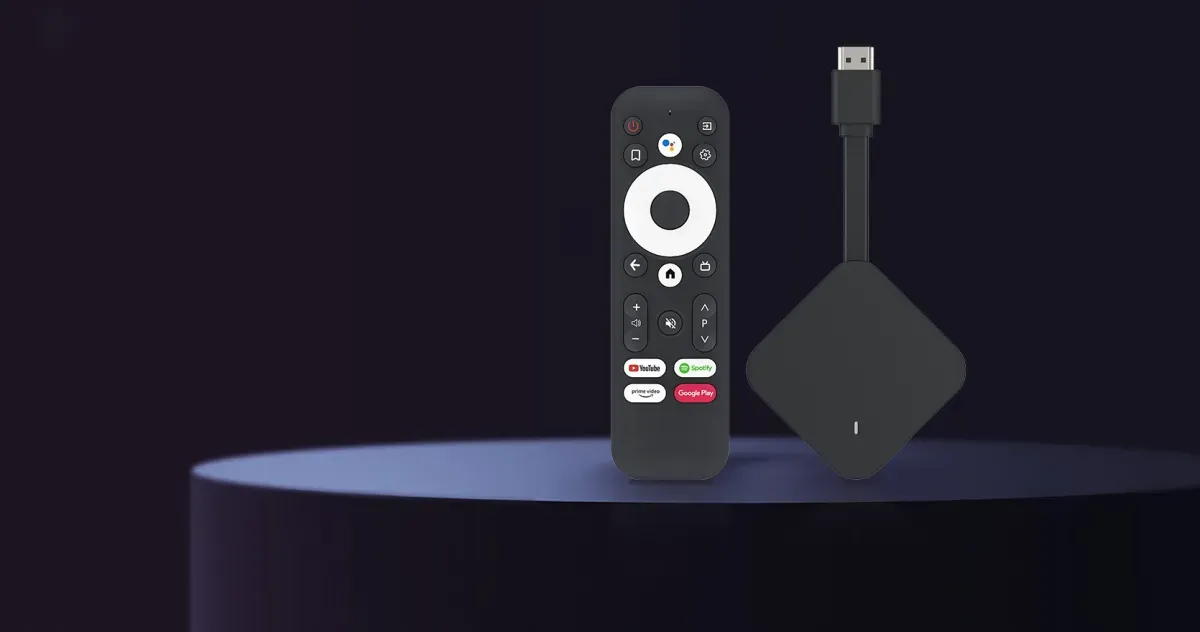 Photo: The Verge
Key points
Google disrupted the XCPE botnet of over 1.3 million Android devices and banned manufacturer Videostrong for embedding a backdoor.
Google and a coalition of security firms have dismantled the XCPE botnet, which infected more than 1.3 million Android devices across more than 200 countries, and banned the manufacturer that built the backdoor into them. The company said it cut ties with Shenzhen, China-based Videostrong Technology Co., revoking its license to manufacture Android TV devices with preloaded Google apps and services. The disruption was announced on 2 November.
The botnet was built by embedding malware directly into device firmware during manufacturing, rather than by exploiting vulnerabilities or tricking users into installing malicious apps. Google's Threat Intelligence Group said it assesses with high confidence that the backdoor and botnet were intentionally developed, deployed, and operated for financial gain by Videostrong. The infected devices were used without owners' knowledge for ad fraud, data exfiltration, and routing unauthorized network traffic.
Backdoor baked into firmware
Videostrong monetized the backdoor by selling access to criminal affiliates and loading their malware modules onto infected devices, according to Google. These secondary modules conducted ad fraud, silently enrolled infected devices into residential proxy networks, and loaded additional malware onto XCPE-compromised devices. The malware was found built directly into many different device models and brands over multiple years, including Android TV set-top boxes, telehealth devices, karaoke machines, and digital signage devices.
The disruption involved Japan's National Police Agency and security companies Lumen, Human Security, Plume, Synthient, and TrendAI, which coordinated to analyze the malicious infrastructure and disrupt its operations. Google also took action to disrupt the command-and-control domains that operate the affiliate modules. Because these affiliates each have diversified distribution channels for their modules beyond XCPE, Google assesses that taking down their C2 domains will sever access to at least 10 million additional compromised devices.
The firmware's pre-installed management agent purported to be a standard remote-management client, according to TrendAI. It pulled updates from a GitHub page and connected to a Message Queuing Telemetry Transport (MQTT) server that gave the operator full remote control of each box, allowing them to install and remove apps, change settings, and push updates to the infected devices. Between June 3 and October 1, TrendAI documented more than 3.8 million distinct home and mobile IP addresses connected to the operation.
How the botnet worked
The main backdoor component, tracked as x.cpe and com.oemservice, runs with Android system-level privileges, according to Google. After an infected device starts, XCPE contacts a command-and-control server on the anyevonline[.]com domain to obtain connection information and credentials for an MQTT message broker, which is then used for receiving commands. The MQTT broker, hosted at mqtt.szbboys[.]com, allowed operators to send commands and deploy other malware to infected devices.
Through this connection, operators could remotely control compromised devices, silently download and install additional Android applications, disable Google Play Protect, execute shell commands with system privileges, capture screenshots, inject keystrokes, and collect account information. The devices were also used to generate revenue by installing malware modules belonging to other operators, turning the backdoor into a plug-in cybercrime platform. These modules included software associated with residential proxy services such as Linkfog, AppSalt/Honeygain, GaGaNode, NetNut, and Traffmonetizer.
Google says the botnet operators continuously changed the malware's architecture to avoid detection. In late 2024, Videostrong began using a separate loader called com.abc.nexus, which ran the malicious modules while XCPE focused on communications with the C2 infrastructure. Since August 2026, the operators began replacing that loader with smaller, specialized droppers disguised as Android system applications.
Attribution and next steps
In a separate coordinated report, cybersecurity firm Synthient explained how it traced the XCPE backdoor and infrastructure to Videostrong after discovering the malware preinstalled on a MECOOL KM9PRO Max Android TV box purchased in late 2025. During its investigation, Synthient found a publicly accessible directory on the malware's file.anyevonline[.]com server that hosted backdoors used by the operators. The open directory also included a PDF folder containing a PDF by Owen Cao, the R&D director of Videostrong Technology Co.
Google said it made changes to its review process for device manufacturers after this incident. Videostrong did not immediately respond to The Register's inquiries. This backdoor and botnet operation is part of the same ecosystem as BadBox 2.0, another botnet that infected more than 10 million TV boxes and other devices before Human, Google, and TrendAI disrupted it in March 2025.
Frequently asked questions
What is the XCPE botnet?
XCPE is a backdoor embedded in Android device firmware by manufacturer Videostrong, creating a botnet of more than 1.3 million devices used for ad fraud and proxy networks.
Who disrupted the XCPE botnet?
Google, Lumen, Human Security, Plume, Synthient, and TrendAI, working with Japan's National Police Agency, disrupted the botnet and its command-and-control infrastructure.
What happened to Videostrong?
Google cut ties with Videostrong, revoked its license to manufacture Android TV devices with preloaded Google apps, and banned the company from producing certified Android devices.