Italy approves 500 troops for Milan after protest clashes
Italy's cabinet approved 500 troops for Milan on 21 October 2026 after weekend looting and clashes, plus a new offence of violent participation in a demonstration carrying up to five years in prison.
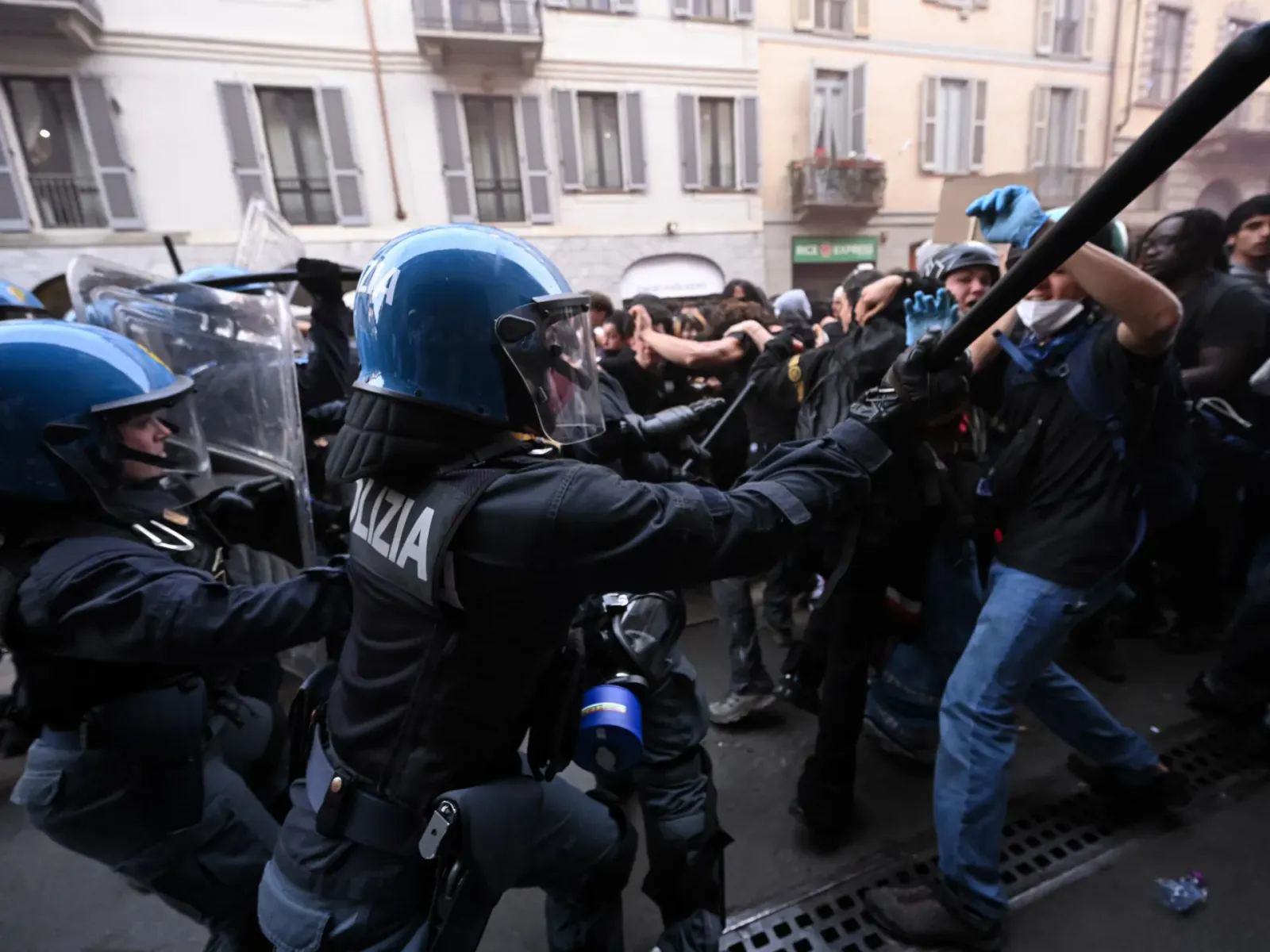 Photo: Al Jazeera
Key points
Italy's cabinet approved sending 500 troops to Milan and a raft of tougher penalties after cost-of-living protests turned violent over the weekend.
Italy's cabinet approved sending 500 troops to Milan on 21 October 2026, alongside tougher legal penalties, after cost-of-living protests across northern Italy turned violent over the weekend. The measures include a new legal offence covering violent participation in a demonstration, tougher penalties for rioters, and financial liability for parents whose children take part in vandalism and looting.
The new measures matter because they take effect immediately and extend state power over protests in ways that were not in place before. Anyone who takes part in a group of at least five people and endangers public safety during protests faces up to five years in prison and a maximum fine of €20,000 ($22,460), with penalties increasing if faces are concealed or people are injured.
What the cabinet approved
Italy's Ministry of Defence said the military will help reinforce security at key sites, step up surveillance of sensitive locations and enhance monitoring. The deployment follows unrest that swept northern Italian cities at the weekend, including Milan, where groups of mainly young people looted shops, smashed windows and clashed with police. The demonstrations were driven by anger over soaring fuel and energy prices, high rents, low wages and the state of public services.
Authorities can order prompt compensation for any damage inflicted and, in the case of minors, hold their parents liable. Police will be allowed to detain youths aged between 14 and 17, even if they have not committed a crime, provided there is evidence they pose a danger, extending powers that previously applied only to adults. The cabinet did not approve giving soldiers policing powers, as expected, after opposition from President Sergio Mattarella, Italian media reported.
Police in Milan detained 271 young people after hooded youths set bins ablaze, ransacked shops and smashed windows, including in the area surrounding the city's cathedral, during the unrest on Saturday and Sunday. Police used teargas and water cannon to disperse the violent groups, who were on the fringes of an initially peaceful protest. Of those detained, 32 have been arrested, including 23 minors and 13 foreign nationals, police said on Monday. A further 28 people were reported to judicial authorities.
Detentions and arrests in Milan
In other northern Italian cities including Bologna, Brescia, Bergamo and Turin, 28 protesters were arrested, police said. Many luxury stores in Milan's fashion district have stayed closed amid fears of further unrest, with brands including Chanel, Tiffany and Dior removing merchandise from their windows as a precaution. Other stores ransacked included the sports retailers Decathlon and Arc'teryx and the mobile phone operator Vodafone, footage showed.
Prime Minister Giorgia Meloni said in a social media post after the cabinet meeting: "Destroying and stealing is not protest, it is crime, and the state's response must be firm." Foreign Minister Antonio Tajani, who also serves as deputy prime minister, said after Meloni chaired a meeting with top security officials on Monday that the government will respond firmly to these attacks on the state, including through measures aimed at curbing violence by minors.
Powers soldiers will not get
Defence Minister Guido Crosetto said a weekend of rioting and violence in Milan was caused by a "hybrid war" being waged against the West, and said the events in Milan and elsewhere in Italy are fundamentally different from those seen in other eras. Opposition politicians often accuse the government of using security as a propaganda tool, arguing that Italy's leaders do little to address core issues such as education, housing and living conditions in marginalised areas.
Milan is bracing for further protests on Saturday after a new movement, called 17 October, emerged on social media. It said it would organise demonstrations there and in other Italian cities each Saturday afternoon "until this government of thieves collapses". Meloni's coalition, which is facing a general election next year, is reportedly planning tougher penalties for road blockades after days of protests in southern Italy by lorry drivers over fuel prices.
Frequently asked questions
How many troops is Italy sending to Milan?
Italy's cabinet approved sending 500 troops to Milan to reinforce security at key sites, step up surveillance of sensitive locations and enhance monitoring, according to Italy's Ministry of Defence.
What penalties does Italy's new protest law carry?
Anyone taking part in a group of at least five people and endangering public safety during protests faces up to five years in prison and a maximum fine of €20,000 ($22,460), with penalties increasing if faces are concealed or people are injured.
How many people were detained in Milan's protests?
Police in Milan detained 271 young people after unrest on Saturday and Sunday. Of those detained, 32 have been arrested, including 23 minors and 13 foreign nationals, and a further 28 people were reported to judicial authorities.