Healey scraps gas standing charges in first Burnham budget
Chancellor John Healey will abolish gas standing charges costing £108 a year and protect the £20,000 cash Isa allowance in his first budget, delivered at 12.30pm on 28 October 2026.
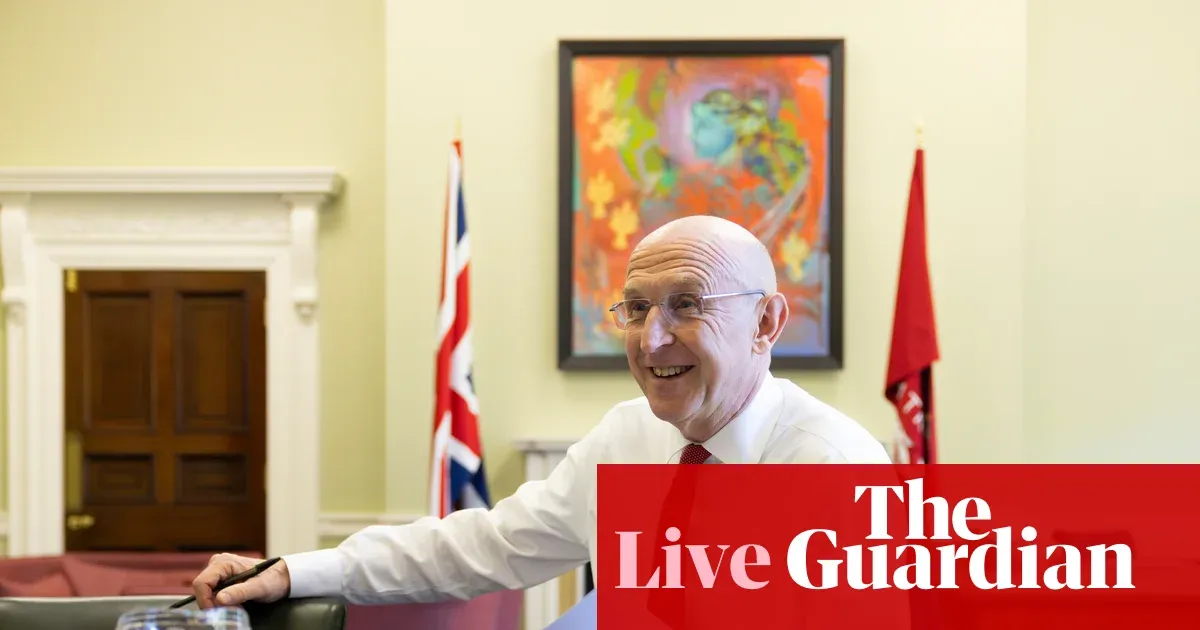 Photo: The Guardian
Key points
Chancellor John Healey scrapped gas standing charges and protected the £20,000 cash Isa allowance in his first budget under Prime Minister Andy Burnham.
Chancellor John Healey will deliver the first budget of the Andy Burnham government at 12.30pm UK time on 28 October 2026, abolishing gas standing charges and protecting the £20,000 annual cash Isa allowance. The budget, the first financial statement of the Burnham era, is pitched as delivering "breathing space for today" alongside "fresh hope for the future".
The budget matters because it sets the fiscal direction of a new government facing war in Iran driving up costs worldwide, government borrowing at its highest level in a year, and businesses warning they are taxed heavily. Unlike previous budgets, this one is not the main event: a benefit system review, a UK-EU summit and a state-rewiring white paper are expected within seven weeks, with the spending review next year.
What the budget changes
Gas standing charges will be abolished, shifting their cost onto unit rates. Martin Lewis, who met Healey at 11 Downing Street on the morning of the budget, said the charge currently costs £108 a year and that the shift onto unit rates would be just under 1p per kWh. Lewis said the Chancellor would speak to Ofgem about removing the electricity charge too, calling that "trickier" and slower.
Andrew Sissons of Nesta said ditching the gas standing charge takes a big chunk off millions of energy bills and helps the poorest households that ration gas use. The Green Party's spokesperson called it "more tinkering" from a government failing to take bold action. British energy bills are forecast to rise 16% in January to about £2,000 for a typical dual fuel bill, up from £1,729 this quarter.
The £20,000 cash Isa allowance will be protected, scrapping plans announced by Rachel Reeves to cut it to £12,000 for under-65s from 6 April 2027. Winston Ruddick of Broadstone called protecting the allowance "welcome news for savers". Tom Selby of AJ Bell criticised Reeves's "calamitous reform agenda", saying her ISA reforms were "a car crash".
Where the numbers came from
Not every City voice welcomed the reversal. Michael Healy of IG Consumer said protecting cash Isa incentives was "a deeply misguided decision", noting cash Isa subscriptions rose £26.1 billion last year, more than four times the increase in Stocks and Shares ISAs. IG modelling suggests phasing out cash ISAs for new contributions could raise up to £610 million a year by 2032-33.
The minimum wage will rise 3.9% from April, taking the bottom salary to £13.20 an hour, or £27,456 a year on a 40-hour week. Critics note the higher-rate tax threshold could stay frozen at £50,270, just 1.8 times that salary, compared with more than four times a full-time minimum wage when the rate began in 1999.
Bank taxes are expected to rise, with the bank surcharge currently at 3% after Jeremy Hunt cut it from 8% in 2023. The Trades Union Congress has called for a higher increase. Energy bill support could be funded by the bank tax rise, despite warnings about impacts on mortgage rates and the financial sector.
What remains disputed
Defence spending may be deferred. Healey had said he would cover a £4.7 billion shortfall in the Defence Investment Plan, but reports suggest the decision on reaching 3% of GDP will wait for a spending review expected in Autumn 2027. Ben Everitt of the Henry Jackson Society said the government is "kicking the can down the road on defence".
Kemi Badenoch, the Tory leader, warned Healey in the Daily Express not to "make the British people pay for decisions you are too frightened to take", arguing the budget favours Labour backbenchers over businesses. The budget assumes the Rosebank oil project in the North Sea will be approved, despite resistance from ministers and Labour MPs.
Frequently asked questions
What did Healey announce in the first Burnham budget?
Chancellor John Healey scrapped gas standing charges, currently £108 a year, protected the £20,000 cash Isa allowance, and confirmed a 3.9% minimum wage rise to £13.20 an hour from April.
Why is the cash Isa allowance cut being reversed?
Healey concluded cutting the allowance from £20,000 to £12,000 was the wrong way to encourage investment in stocks and shares, reversing a plan announced by Rachel Reeves for 6 April 2027.