UK shop price inflation hits 2.1% in October, highest since 2024
British Retail Consortium data shows UK shop prices rose 2.1% year on year in October 2026, the fastest since February 2024, with food at 2.9% and non-food at 1.7%.
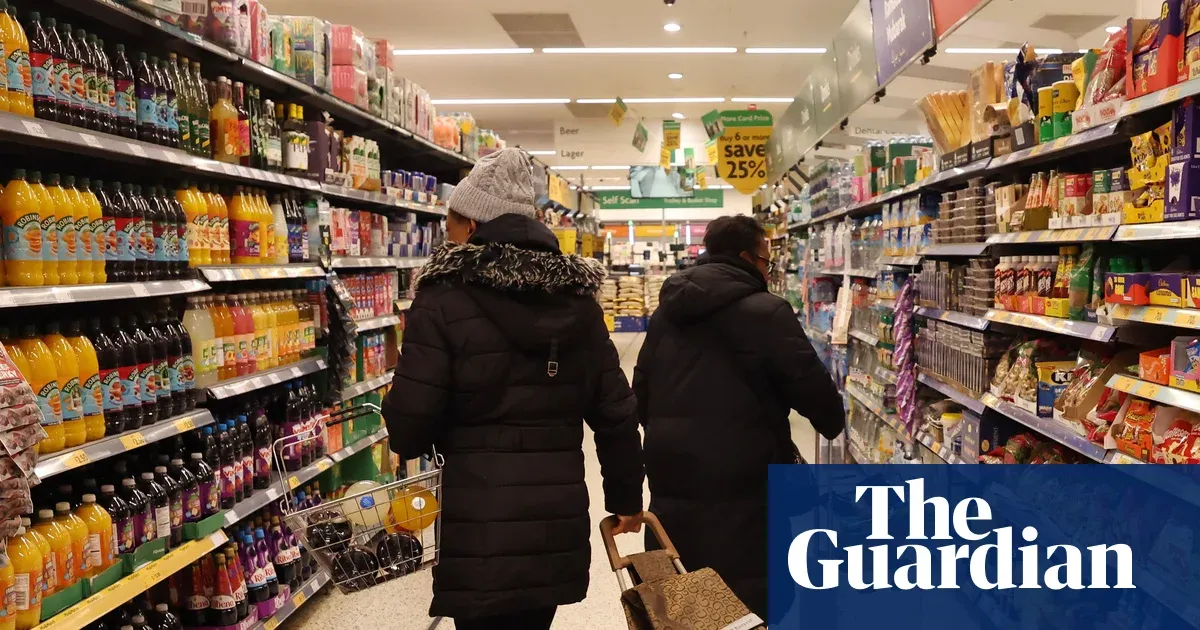 Photo: The Guardian
Key points
UK shop price inflation reached 2.1% in October 2026, the highest since February 2024, up from 1.4% in September.
UK shop price inflation reached 2.1% in October 2026, the highest level since February 2024, according to British Retail Consortium data published on 27 October. The figure rose sharply from 1.4% in September. Food price inflation climbed to 2.9% year on year, up from 2.5% the previous month, while non-food inflation more than doubled from 0.8% to 1.7%. The data lands as Chancellor John Healey prepares his first Budget on Wednesday.
The rise matters because it signals retailers are beginning to pass on costs they had absorbed for two years, rather than shielding customers from higher energy and ingredient prices. British Retail Consortium chief executive Helen Dickinson said "the dam is starting to break on the huge wave of costs retailers have absorbed over the last two years." The figures put further pressure on Healey before his first Budget, with Labour backbenchers concerned about the cost of living hitting constituents.
Why retailers are passing costs on
Higher transport and energy costs, increases in employment costs and packaging levies are pushing prices up, the British Retail Consortium said. Brent crude oil reached $117 a barrel in recent days, well above the $70 average in the months before the US and Israel attacked Iran in February. Gas prices have also risen sharply, pushing the UK consumer prices index to 3.5% in September, up from 3.1% in August, an 11-month high.
Until October, retailers had largely absorbed the higher costs of raw materials, mainly in response to weak demand from customers. Consumer confidence has declined sharply since the summer, when it became clearer the conflict in the Middle East was unlikely to end swiftly. Bank of England Governor Andrew Bailey said this month that businesses had so far largely absorbed higher energy costs caused by the US-Iran war, unlike after Russia's invasion of Ukraine in 2022, reducing the need to raise interest rates.
Where the numbers came from
Food price inflation has been slower to pick up than first predicted, with the Food and Drink Federation trade body now expecting it to peak next year. Dickinson said that while there was heavy discounting to attract shoppers ahead of Halloween celebrations, supermarkets could no longer keep the prices of tins and packets on their shelves from going up.
The impact on low-income families is the subject of a report by Ruth Patrick, a professor in social and public policy at the University of Glasgow. Petrol prices above £1.75 a litre in many places and diesel often above £2 a litre can mean that work doesn't pay, according to Patrick, who leads Changing Realities, an online project tracking 100 low-income families. In the last month, 73% of participants had shopped in the reduced-items aisle, 62% had changed the food they buy and 63% had left the heating off even when cold.
Bank of England officials are expected to raise interest rates next week from 3.75% to 4%. If the rise in retail prices persists, it is likely to persuade many of the Bank's nine-member monetary policy committee to raise rates still further in December or the new year. Dickinson called on Healey to lower retailers' property taxes and employment costs in his first annual budget on Wednesday.
What happens next
Chancellor John Healey faces intense pressure from Labour backbenchers to address the high cost of living in his first Budget on Wednesday. Patrick said the help provided by governments and local authorities so far did not match the scale of the problem, arguing the Budget provides an opportunity to make good on Andy Burnham's pledge that his will be a "cost of living government" and calling for restoring the real value of child benefit.
Households describe the squeeze in concrete terms. Chloe, a 40-year-old single mother in south London, now pays about £200 a month on gas and electricity and tries to limit the weekly food shop to £40. Dave Herbert, a 48-year-old professional driver, spends around £350 a month on petrol, 40% to 50% more than at the start of the year. The main fuel duty rate has been frozen at 57.95p per litre since March 2011.
The Budget on Wednesday is the next fixed point. Healey's tax and spending plans will be under close scrutiny at a time when government borrowing costs are at historic highs, with very few leaks about what will be in it. The British Retail Consortium's next monthly shop price figures will show whether October's jump to 2.1% marks the start of a sustained rise or a single month's break in a two-year pattern of absorbed costs.
Frequently asked questions
What is UK shop price inflation in October 2026?
UK shop price inflation was 2.1% year on year in October 2026, up from 1.4% in September, according to British Retail Consortium data. That is the highest level since February 2024.
Why are shop prices rising?
The British Retail Consortium attributes the rise to higher transport and energy costs, increases in employment costs and packaging levies. Brent crude reached $117 a barrel in recent days, above the $70 average before the US and Israel attacked Iran in February.
What happens next for UK interest rates and the Budget?
Bank of England officials are expected to raise interest rates from 3.75% to 4% next week, with further rises possible in December or the new year if retail price increases persist. Chancellor John Healey delivers his first Budget on Wednesday.