Trump lifts 50% tariffs on Canadian goods after Collins's push
President Trump on Friday exempted plywood, packing crates and machinery from 50% tariffs on Canadian goods starting 30 October, after Senator Susan Collins asked officials for relief for Maine farmers.
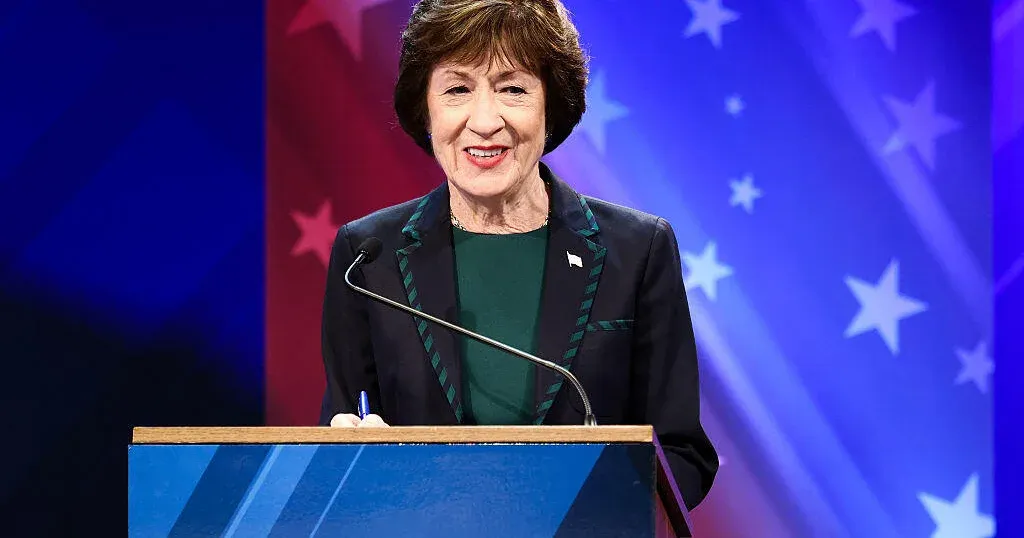 Photo: CBS News
Key points
Trump on Friday exempted plywood, packing crates, machinery and other Canadian goods from 50% tariffs starting 30 October, after Senator Susan Collins pushed for relief for Maine's farmers.
President Trump on Friday removed several Canadian products from 50% tariffs that had covered $20 billion of imports, after Senator Susan Collins of Maine asked senior administration officials for relief. The exemptions take effect on 30 October and include plywood sheets, packing crates, machinery and refrigeration equipment. Collins, a Republican seeking a sixth term, said the change protects Maine farmers who depend on Canadian supplies during harvest.
The decision matters because Maine's economy is closely tied to Canada, and Collins faces a tight re-election race against Democrat Troy Jackson that could help determine control of the Senate. The exemptions signal the White House is responding to a Republican senator's pressure in an election year dominated by cost-of-living concerns. New duties on other Canadian goods mean the overall tariff burden on Canada does not necessarily fall.
What the exemptions cover
The exempted items include corrugated boxes, crates, plastic sacks, packing machinery, refrigeration equipment and seaweed, according to a White House proclamation. Plywood sheets, paper products and certain machinery were also removed from the tariff list, the White House said. In exchange, new 50% duties were placed on shampoo, vinyl flooring, coffins, carpets and window-unit air conditioners, so the revenue from tariffs on Canada is partly preserved through other categories.
The White House said the action refines the scope of the July 20 and September 8 tariff actions to better serve the public interest and offset the burden on US commerce from Canada's discriminatory measures. The statement framed the change as part of continued efforts to defend American workers and ensure fair trade. The exemptions start on 30 October, giving importers and Maine businesses a defined date to plan around.
Collins said she repeatedly asked US trade negotiator Jamieson Greer, Commerce Secretary Howard Lutnick and other senior officials for tariff relief. She said many Maine farmers rely on specialized equipment, packaging materials and other products from Canada that are unavailable from American suppliers or cannot be replaced without significant expense. Wild blueberry producers use specialized harvesting boxes from Canada, and apple and potato farmers also depend on Canadian products during harvest.
How Collins pressed administration officials
Collins has criticised the trade war while seeking exemptions for Maine, pointing to earlier tariff exemptions for road salt and pulp. In a debate earlier this month with Troy Jackson, she said Canada is not China but the United States' neighbour, friend, closest ally and biggest trading partner. Democrats argue she has not pressed Trump hard enough to lift tariffs entirely. Jackson, a former logger, responded at an early October debate: "What about everything else? I mean, we can't eat road salt."
The 50% tariffs on certain Canadian goods began on 22 August after trade talks between the two countries collapsed. Canada responded with retaliatory tariffs ranging from 15% to 50% on $20 billion of American goods, later withdrawing tariffs on American seafood, which helped Maine's fisheries. Canadian Prime Minister Mark Carney said earlier this week that US tariffs have upended a trade bargain that existed for decades, raising costs for American families while disadvantaging Ontario workers and businesses.
Carney said auto exports to the United States have fallen 10% and US exports to Canada have fallen more than 20%. On Friday, Carney said Canada is open to a mutually beneficial trade deal but is willing to wait, saying a proper deal could come months from now or under another administration. Trump said on Friday that Canada is working very hard on a trade deal. Canada had not commented on the White House announcement as of Friday.
Canada's response and trade data
The midterms election on 3 November could be affected by the exemptions, as affordability and economic pressures rank among top issues for US voters. Collins, who has served in the Senate for nearly 30 years, is running against Jackson in a race considered a toss-up.
Michigan Republican Mike Rogers, whose trade-reliant state borders Canada, has called on Trump to end the standoff after months of supporting the policy. Canada's internal trade minister Dominic LeBlanc confirmed a delegation met members of the Canada-United States Economic Relations Advisory Committee on Thursday, the ninth meeting since April 2026, to discuss the impact of US tariffs. The exemptions take effect on 30 October, ahead of the 3 November election.
Frequently asked questions
Which Canadian products are exempt from the 50% tariffs?
Plywood sheets, packing crates and boxes, machinery, refrigeration equipment, corrugated boxes, plastic sacks and seaweed are removed from the 50% tariffs starting 30 October, according to the White House proclamation.
Why did Trump lift these tariffs?
Senator Susan Collins said she asked trade negotiator Jamieson Greer and Commerce Secretary Howard Lutnick for relief, arguing Maine farmers rely on Canadian equipment and packaging unavailable from US suppliers.
When do the tariff exemptions take effect?
The exemptions take effect on 30 October, ahead of the 3 November midterms election, the White House said.