Bose acquires Skullcandy to reach younger listeners
Bose announced on 21 October 2026 it acquired Skullcandy, keeping the brand based in Park City, Utah, as a separate label inside its premium consumer audio business.
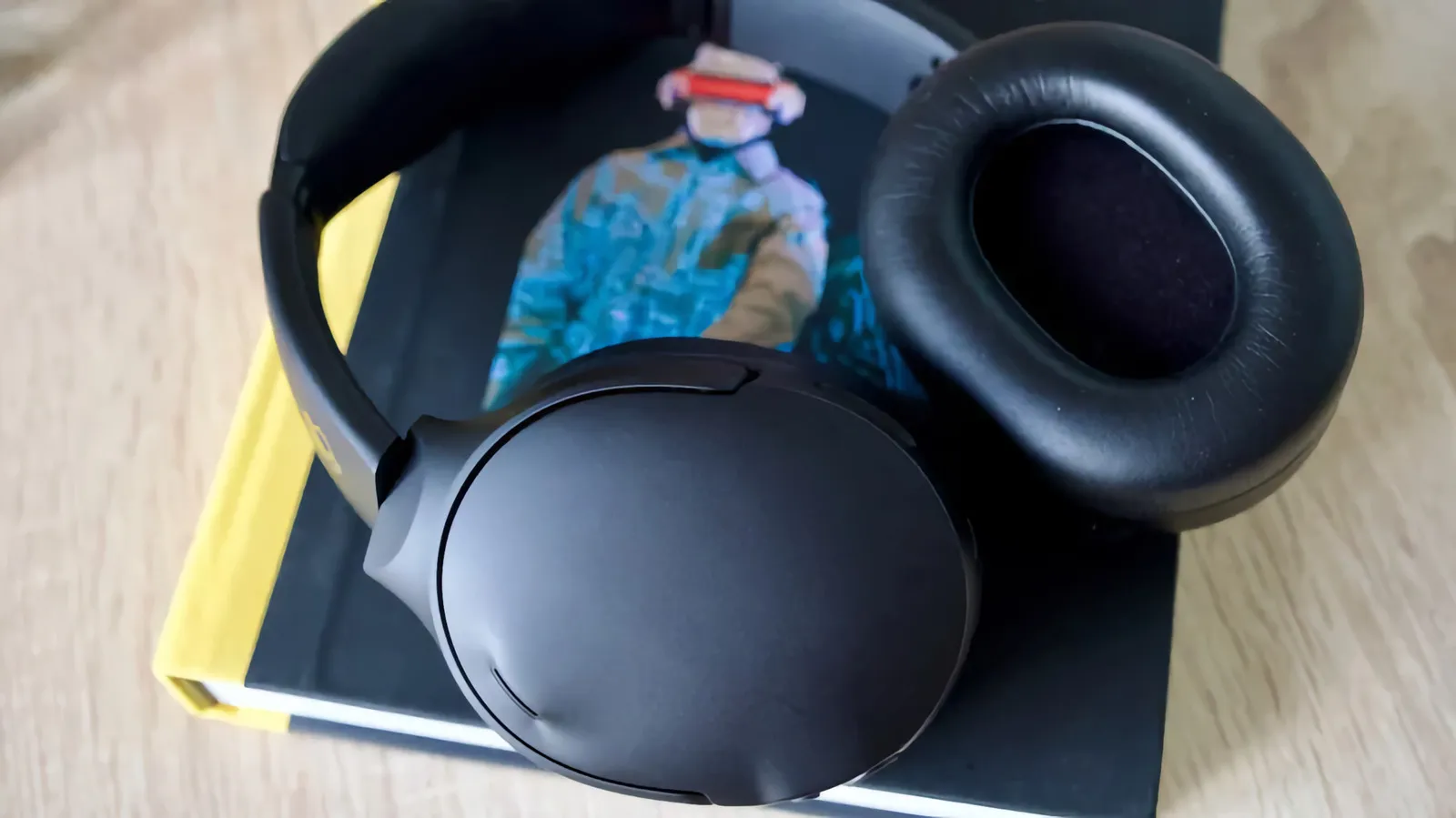 Photo: Engadget
Key points
Bose announced on 21 October 2026 it acquired audio rival Skullcandy, which will stay a separate brand based in Park City, Utah.
Bose announced on 21 October 2026 it acquired Skullcandy, the headphone and speaker maker, and will keep it as a separate brand inside its premium consumer audio business. Bose did not share how much it paid for the company in the press release announcing the acquisition. Skullcandy will continue to operate from Park City, Utah, where it was founded, according to the announcement.
The purchase matters because Bose is chasing an audience it has not reached. Bose products are a staple among people who fly and travel for work, but Skullcandy's branding, including longstanding relationships with board sports athletes, will present new ways for Bose to meaningfully connect with consumers where it has less presence today, according to the release. Skullcandy's affordable prices also let Bose compete at both ends of the market.
Why Bose wants the audience
Bose CEO Lila Snyder framed the deal as part of a wider strategy beyond Bose-branded products. "For more than 60 years, Bose has been committed to delivering incredible audio experiences however and wherever people choose to listen," Snyder said. "As we work to reach even more people, we're expanding how we do that, not only through Bose products, but through technology partnerships and a growing portfolio of brands."
Snyder said the deal is about brand meaning, not just hardware. "What does the brand stand for? Does it have meaning for consumers? Is it relevant to a group of consumers that, frankly, we otherwise aren't reaching?" she said. "Skullcandy gives us access to a customer base that we think we're largely missing with the Bose brand." She added that McIntosh, Sonus Faber and Skullcandy all fit that realm.
The acquisition follows a working relationship that ran for about a year before the deal. Bose lent its audio expertise to Skullcandy under its Sound by Bose licensing program, in which Skullcandy designs the headphones and works with Bose on the audio. The relationship began with the Skullcandy Method 360 ANC earbuds in 2025 and continued with the Crusher 1080 ANC headphones in July.
A partnership that came first
Active noise cancellation, the technology that uses microphones and speakers to cancel outside sound, is central to the partnership. Skullcandy recently brought Bose's head-tracking spatial audio and active noise cancellation to the Crusher 1080 ANC headphones and Method 360 ANC earbuds. WIRED rated the Method 360 ANC earbuds 8 out of 10, noting good sound quality and active noise cancellation for the money.
Skullcandy CEO Brian Garofalow, speaking to WIRED in July about the partnership, highlighted the 23-year-old company's ability to build community and culture around board sports, noting the first Skullcandy product was designed on a ski chairlift. He also admitted the company wasn't "the greatest at the engineering part of innovation with products." Bose's technology access is meant to address that gap while Skullcandy keeps its own designs and branding.
What the deal does not say
The deal is not Bose's first audio acquisition. In 2024 Bose acquired McIntosh Group, owners of luxury audio brands McIntosh Laboratory and Sonus Faber. This year Bose acquired StreamUnlimited Engineering and FMOD-maker Firelight Technologies. Last June Bose announced it had created an in-house content studio called Bose Studios, as well as its own record label, Bose Records.
Bose has no plans to relocate Skullcandy from Park City, Utah, which Snyder called the epicenter of board sports culture. "We want to make sure we're right at the heart of it, as they always have been," she said. Snyder described the recent earbuds and Crusher collaborations as just the tip of the iceberg: "It's the beginning of what we think we can do together."
The pairing still draws scrutiny from WIRED's headphone reviewer, who called Bose and Skullcandy an odd pairing. Bose pioneered active noise cancellation in headphones and maintains that legacy with products like the Bose QuietComfort Ultra Headphones (2nd Gen), while Skullcandy has often been viewed as the butt of the joke when it comes to audio quality, with a reputation for middling sound and bass-over-everything headphones. Recent collaborations have started to change those perceptions.
Bose says Skullcandy will benefit from greater access to Bose's technology and resources, which Bose says should enable it to continue to grow and develop. The announcement did not include a closing date, regulatory steps or financial terms for the transaction, and Bose did not disclose the price it paid for Skullcandy.
Frequently asked questions
What did Bose acquire?
Bose announced on 21 October 2026 it acquired Skullcandy, the headphone and speaker maker founded in 2003. Skullcandy stays a separate brand inside Bose's premium consumer audio business, based in Park City, Utah, where it was founded.
How much did Bose pay for Skullcandy?
Bose did not share how much it paid for Skullcandy in the press release announcing the acquisition, and specific details about the deal were not shared.
Why is Bose buying Skullcandy?
Bose wants Skullcandy's audience. Skullcandy has inroads into sports, gaming, music and fitness, plus longstanding relationships with board sports athletes, letting Bose meaningfully connect with consumers where it has less presence today.