Kenya confirms second Ebola case as WHO urges calm
Health authorities confirmed a second Ebola case in Kenya on 15 October 2026, a 39-year-old relative of the first patient, as the World Health Organisation urged the public to stay vigilant.
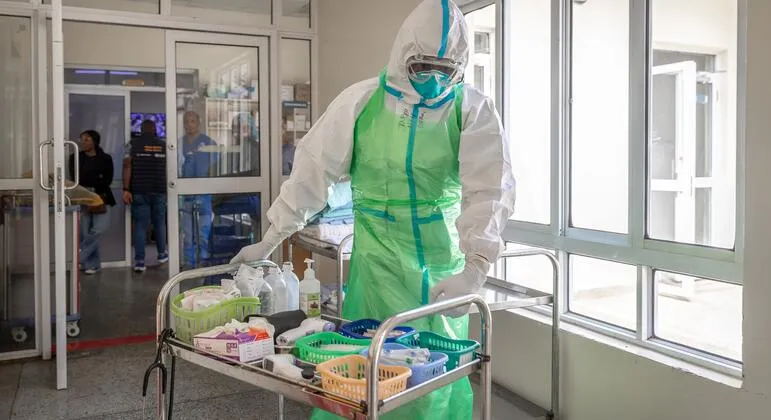 Photo: Mirage News
Key points
Kenya confirmed a second Ebola case on 15 October 2026, a 39-year-old relative of the first patient, prompting intensified contact tracing and screening.
Kenyan health authorities confirmed a second case of Ebola on 15 October 2026. The patient is a 39-year-old man who is a relative of the first confirmed case. He developed symptoms on 13 October after being placed in quarantine as a contact of the initial patient. The Ministry of Health announced the finding after laboratory testing confirmed the infection with the Bundibugyo virus.
The World Health Organisation representative in Kenya praised the government for listing and quarantining contacts quickly. Dr. Neema Rusibamayila Kimambo told UN News in Nairobi that the government took an important step to trace those who had come into contact with the first patient. She emphasised that defeating the disease requires effort from everyone not just the government or partners.
Contact tracing and quarantine
Health officials have identified more than 40 people who may have been exposed to the virus. This group includes airline passengers and crew, airplane cleaners, airport workers, baggage handlers, and immigration officials. Some health personnel and family members are also included in the list. Most of these contacts are in quarantine while a few low-risk individuals have self-quarantined and are being monitored.
Officials are working to locate six passengers who have been difficult to find because they have foreign phone numbers. Tracing these individuals is critical to prevent any potential spread within the community. The first patient was a local man who had been living in the Democratic Republic of the Congo where a record outbreak continues to spread in the east.
He arrived in Nairobi via Uganda on 3 October and died in hospital two days later on 5 October. His death triggered the initial contact tracing efforts that led to the identification of the second case. The World Health Organisation has been supporting Kenya's preparedness efforts since the outbreak was declared in the Democratic Republic of the Congo in May.
Airport screening measures
Airports have strengthened their screening facilities to detect Ebola cases early among arriving travellers. Public Health PS Mary Muthoni stated that the facilities at JKIA are fully equipped to support early detection and protect public health. This includes checking travellers for symptoms such as fever, vomiting, and diarrhoea which can mimic other diseases like malaria.
The World Health Organisation has donated $70,000 worth of supplies to Kenya since the first case was identified. These supplies include infection prevention and control items as well as laboratory equipment to support testing efforts. The agency has also brought in a senior incident manager who participated in the Ebola response in Uganda earlier this year.
More than 4,000 health workers have been trained to identify Ebola symptoms and screen passengers at ports of entry. This training ensures that medical staff can quickly recognise potential cases and initiate isolation procedures. Dr. Kimambo noted that case management and infection prevention and control are critical at this time in the quarantine centres.
Public health guidance
World Health Organisation officials have stated that there is no need to impose travel restrictions or close national borders. Dr. Kimambo underlined the importance of appropriate screening to identify travellers who may pose a health risk. She advised the public to practise regular handwashing, use hand sanitizer, and avoid shaking hands to reduce transmission risks.
The patient is urged to seek medical care quickly if they experience symptoms such as fever, vomiting, or diarrhoea. Dr. Kimambo stressed that Kenyans should not over panic or be very fearful because there is no community spread. She encouraged people to ensure that anyone who is sick goes to a health facility to get proper care.
Frequently asked questions
Who is the second Ebola patient confirmed in Kenya?
The second patient is a 39-year-old man who is a relative of the first case. He developed symptoms on 13 October after being placed in quarantine.
Why is the World Health Organisation urging vigilance?
WHO officials want the public to remain calm but responsible and to practise hygiene measures to prevent spread while contact tracing continues.
Are there travel restrictions in place for Kenya?
No travel restrictions or border closures have been imposed. Officials say screening at ports of entry is sufficient to manage health risks.