King Charles faces reparations pressure in Caribbean
The British monarch visits Guyana and Antigua as leaders demand compensation for centuries of slavery.
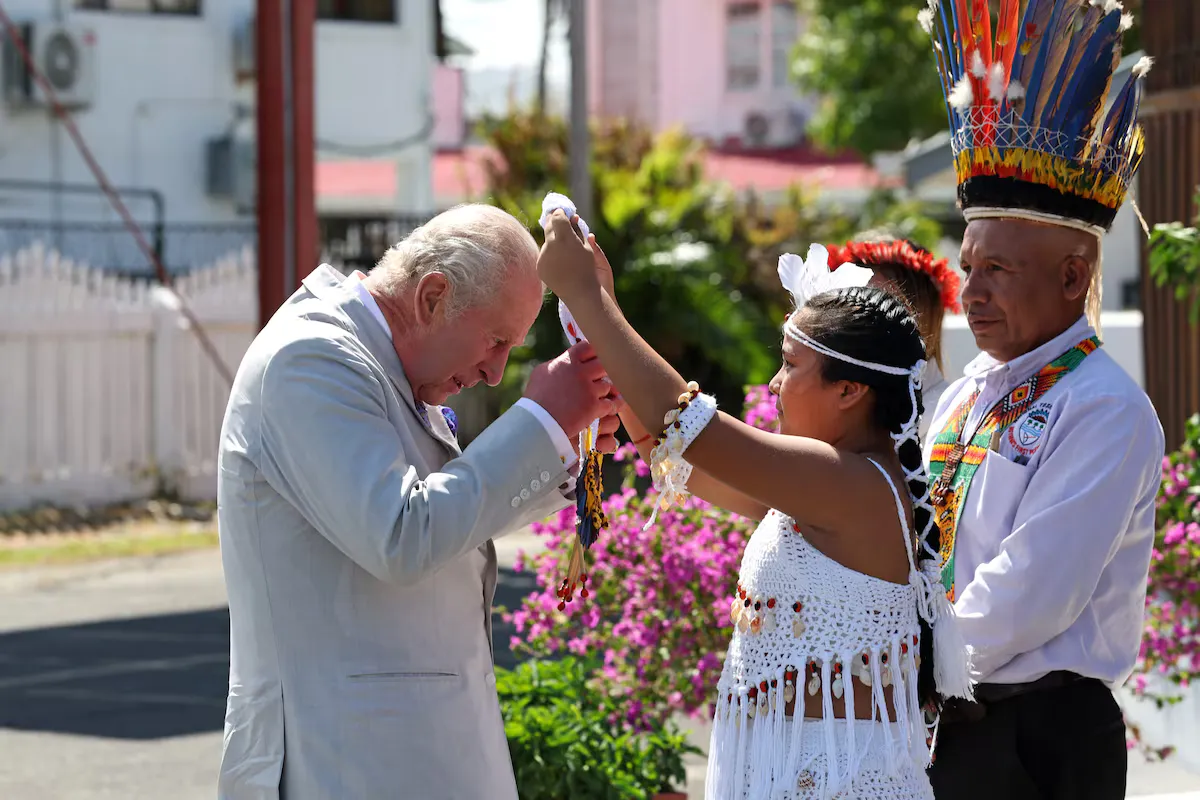 Photo: The Globe and Mail
Key points
King Charles III visits the Caribbean while facing demands for slavery reparations from local leaders and activists.
King Charles III visits the Caribbean as demands grow for Britain to pay reparations for the slave trade. His tour includes stops in the Bahamas and Guyana before the Commonwealth Heads of Government Meeting in Antigua on Sunday. Local leaders and activists want the summit to address compensation for centuries of slavery. The King has acknowledged the harm caused but has not offered a formal apology. Government policy remains opposed to paying reparations for historical slave trade activities.
Reparations debate intensifies
Reparations advocates say the meeting should focus on justice and historical accountability. Shirley Ayorkor Botchwey, Secretary-General of the Commonwealth, said the form of reparations will emerge eventually. She stressed that the issue cannot be ignored. Caribbean representatives want the gathering to become a reparations meeting. The pressure highlights tensions between former colonies and the British monarchy over historical wrongs and their lasting economic impacts on the region.
The King visited Independence Park in Guyana to reflect on the Demerera Slave Rebellion of 1823. Hundreds of enslaved people were killed during the uprising and many survivors were executed at the site. A sign above the King noted the ground was used as a public execution site. He listened as officials described how colonial leaders violently resisted the rebellion. The visit shows awareness of colonial history without committing to policy changes.
King acknowledges historical harm
Protesters gathered during the King's tour to demand immediate action on reparations. In Guyana, demonstrators held placards calling for justice and compensation. One protester said the United Kingdom benefited tremendously from slavery. Terrence Campbell, a Guyanan politician, argued that wealth was built on the backs of enslaved people. Small groups protested at several stops but did not disrupt the King's programme. Their presence shows ongoing public pressure on the monarchy.
British Prime Minister Andy Burnham maintains the government will not apologise or pay reparations for slavery. This stance follows long-standing policy positions. Jonathan Sumption, a former Supreme Court Justice, argued that international laws banning slavery came after Britain abolished the trade. He said decisions on reparations would be political rather than legal. Legal experts doubt Jamaican claims will succeed in British courts based on laws at the time of the acts.
Legal challenges continue
Jamaica has sought a hearing on reparations at Britain's Privy Council this September. The petition asks judges to consider whether the slave trade violated international obligations. It also requests a remedy for the Jamaican people. A hearing is set for March. Jamaican officials believe a favourable ruling could set the stage for negotiations. The case tests whether historical slave trade actions can be challenged under current legal frameworks.
Experts estimate the economic damage from slavery at hundreds of trillions of dollars. A 2023 study by the Brattle Group calculated total damage between 100 and 130 trillion dollars. Patrick Robinson, a Jamaican jurist who assisted with the study, estimated Britain's share at around 24 trillion dollars. These figures fuel arguments for compensation but lack legal mechanisms for enforcement. Critics note that many countries benefited from the trade not just Britain.
The King acknowledged the suffering caused by slavery during events in the Bahamas. He said it is right to recognise the great suffering of the past. However he stopped short of saying sorry personally. The palace says a formal apology must come from the British government. Officials want the Caribbean trip to focus on climate change and future cooperation. Environmental projects receive support from the King's Foundation in the region.
Guyana has kept a large percentage of its forests despite economic pressures. The King praised this achievement at the Global Biodiversity Alliance Conference in Georgetown. He spoke alongside Indigenous communities and researchers about conservation efforts. The visit highlights present and future issues alongside historical debates. Climate change remains a priority for the monarch during the nine-day tour across three Caribbean countries.
The Commonwealth summit begins Sunday in Antigua with discussions on slavery reparations. Leaders from 56 Commonwealth countries will attend. The Caribbean Community Reparations Commission includes 15 countries with the King as head of state. Discussions will address economic impacts and historical accountability. The outcome could influence future relations between the UK and former colonies. Activists hope the meeting produces concrete steps toward justice.
Protesters in Guyana said the King must take responsibility for historical harms. They argued that the United Kingdom benefited from slavery. The King's tour includes cultural exchanges and meetings with veterans. He spoke to World War Two veterans who served in the British Guiana Volunteer Force. These engagements show attempts to build bridges while avoiding policy commitments on reparations.
Activists say reparations should address underdevelopment and ongoing economic disparities. The Jamaican government filed its petition in September seeking legal review. British officials maintain that laws at the time did not prohibit slavery. The debate continues as the Commonwealth summit approaches. Regional leaders remain united in seeking recognition and compensation for historical wrongs.
Frequently asked questions
How much did a study estimate slavery damage at?
A 2023 study by the Brattle Group calculated total damage between 100 and 130 trillion dollars.