Democrat Kreiss-Tomkins wins Alaska governor's race, first since 1998
Jonathan Kreiss-Tomkins defeated three Republicans to become Alaska's first Democratic governor since 1998, giving Democrats 30 governorships nationwide.
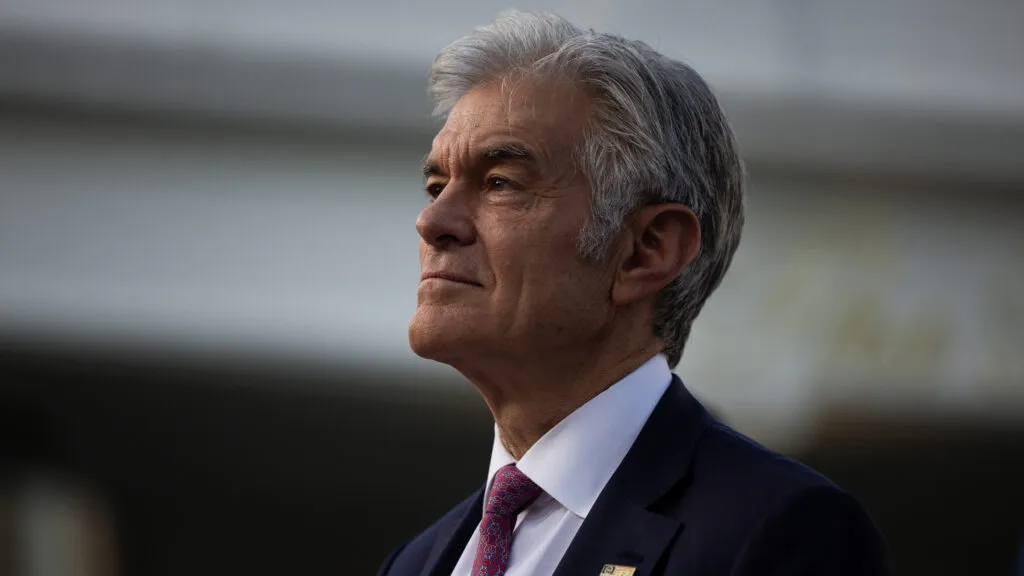
 Photo: The Guardian
Key points
Democrat Jonathan Kreiss-Tomkins won Alaska's governorship, the first for his party since 1998, after defeating three Republicans.
Jonathan Kreiss-Tomkins, a former Alaska state legislator, defeated three Republican opponents to become the first Democrat elected governor of Alaska since 1998. Kreiss-Tomkins, 37 and often called JKT, beat Bernadette Wilson, Dave Bronson and Treg Taylor.
His victory gives Democrats control of the governor's office in 30 states, including flips in Iowa, Georgia, Ohio and Texas. The party now holds a majority of governorships for the first time since 2010. The win is part of a national midterm wave that also saw Democrats flip eight Senate seats and gain more than two dozen House seats.
What the win means
Kreiss-Tomkins completed a political comeback three years after leaving the state House. He travelled extensively across Alaska, focusing on affordability, full funding for public schools, and requiring all oil and gas producers to pay corporate income tax. He also proposed a moratorium on new data centers until state lawmakers pass regulations for their construction.
He criticised outgoing Republican Governor Mike Dunleavy, saying Alaska had become "broken" during eight years of his leadership. He cited the state ferry system, which he said had been left in disarray with routes to many communities cut drastically. The ferry is a critical link for southeast Alaska communities without road connections, some with limited air service.
Kreiss-Tomkins emphasised working across party lines and pledged a Cabinet including Democrats, Republicans and independents. "If they're competent, if they're service-minded, if they're entrepreneurial, if they're problem-solvers, you're on the team. Game on," he said at a candidate forum last month. "Let's go, and let's get Alaska back on track."
How he won
Alaska uses ranked-choice voting, which allows multiple candidates from the same party to run. Kreiss-Tomkins avoided additional counting rounds by winning more than 50% of first-choice votes, securing an outright victory. He finished first in August's open primary, followed by Democrat Tom Begich, who withdrew to unite Democratic voters behind one candidate.
Republican Senator Lisa Murkowski, often at odds with her party and Trump, endorsed Kreiss-Tomkins a week before the election. Three former governors also endorsed him: Democrat Tony Knowles, independent Bill Walker and Republican Frank Murkowski, the senator's father. Kreiss-Tomkins said compromise "is a virtue, not a dirty word." Trump had endorsed Wilson, a business owner, and criticised the other Republican candidates for staying in the race. Bronson, a former Anchorage mayor, congratulated Kreiss-Tomkins on social media. Many Republicans saw ranked-choice voting as their best chance to retain the seat, a message that conflicted with Trump's complaints about the method.
Frequently asked questions
Who won the Alaska governor's race in 2026?
Democrat Jonathan Kreiss-Tomkins won, defeating three Republicans. He becomes the first Democrat elected governor of Alaska since 1998.
How did Kreiss-Tomkins win without a ranked-choice runoff?
Alaska uses ranked-choice voting, but Kreiss-Tomkins won more than 50% of first-choice votes, so no additional counting rounds were needed.