Lithuania calls Starlink base station arson Russia-linked sabotage
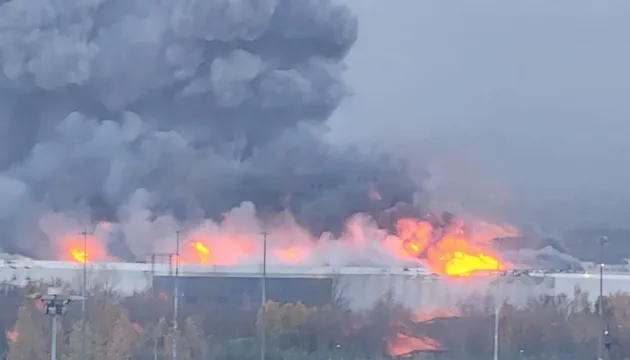
Lithuania is treating an attempted arson at a Starlink base station near Vilnius, struck at about 2 a.m. on Sunday, as Russia-linked sabotage aimed at undermining Ukraine's military capacity.
 Photo: The Straits Times
Key points
Lithuania is treating an attempted arson attack at a Starlink base station near Vilnius as Russia-linked sabotage aimed at undermining Ukraine's military capacity.
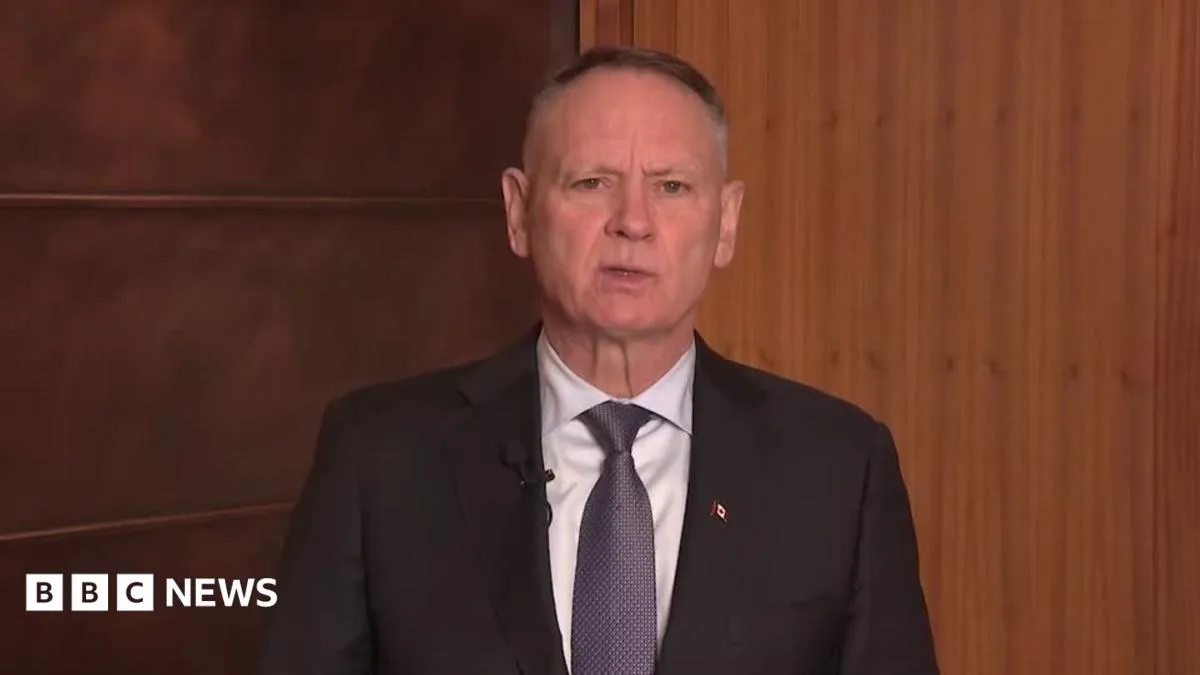
Lithuania is treating an attempted arson attack at a SpaceX Starlink base station on the outskirts of the capital Vilnius as a Russia-linked act of sabotage aimed at undermining Ukraine's military capacity, the head of the government's National Crisis Management Centre, Vilmantas Vitkauskas, said. Authorities are searching for suspects who tried to set fire to the station at about 2 a.m. (2300 GMT on Saturday).
The blaze was quickly extinguished, causing only minor property damage and no disruption to operations, Vitkauskas said. He told reporters in Vilnius that the incident was not a routine arson attack but an act of sabotage. The distinction matters because it moves the case from a local fire investigation into a national security matter, with suspects still being sought by Lithuanian authorities.
What the official said
Vitkauskas said the incident was linked to earlier arson attacks against Starlink stations in Bulgaria and Poland. "They are part of Russian attempts to disrupt Starlink and influence the success of Ukrainian operations," he said. "Ukraine is the target." The statement places the Vilnius fire within a pattern of attacks on Starlink infrastructure across Europe rather than an isolated incident.
Ukraine uses Starlink terminals extensively for battlefield communications and installs Starlink receivers in many of its drones as part of their guidance systems. The terminals are used to conduct strikes on Russian targets inside Ukraine and help interceptor drones defend against Russian drone attacks. Disrupting Starlink, in that chain, would degrade both Ukraine's ability to strike and its ability to defend.
Bulgarian authorities said fire was set to several Starlink antennas in the country on October 10, according to local media reports. On 14 October, reports emerged in Bulgaria that 11 of the 17 antennas used to connect to the Starlink satellite network in the Sofia area may have been set on fire. The scale of the Bulgarian damage, if confirmed, would affect most Starlink connections in the Sofia area.
Earlier fires in Bulgaria and Poland
A fire at a Starlink facility in Poland in September damaged its power system and backup generator. On 23 September, a fire occurred at a Starlink ground satellite communication station located in the Polish village of Wola Krobowska, and the prosecutor's office launched an investigation into an act of sabotage and a terrorist-related crime in the interests of foreign intelligence. Poland said at the time it believed the fire was an act of sabotage aimed at disrupting internet services, including for Ukraine's military, and blamed Russia. Four suspects were detained.
Moscow says such accusations are baseless and the result of anti-Russian hysteria. The denial leaves the three incidents — in Lithuania, Bulgaria and Poland — without a shared, agreed explanation, even as Lithuanian, Polish and Bulgarian authorities each treat their own case as deliberate. Vitkauskas's framing ties them together as one Russian campaign against Starlink, while Russia rejects the premise entirely.
Why Starlink matters to Ukraine
On 18 October, Lithuanian Prime Minister Mindaugas Sinkevičius reported an unsuccessful attempt to set fire to a Lithuanian company that stores equipment for Starlink communications. The prime minister's account and Vitkauskas's statement describe the same failed attempt, with no disruption to Starlink operations and no injuries reported. Lithuanian authorities continue to search for suspects in the case.
The same Sunday brought a separate security incident in Lithuania. A suspected drone crashed in northern Lithuania, damaging a moving civilian vehicle without injuring anyone, and residents in central and northern regions were told to seek shelter. Lithuanian Defence Minister Robertas Kaunas said the drone probably entered from neighbouring Poland and proposed a joint investigation with Warsaw, while weather conditions prevented visual identification.
Ukraine apologised for the drone incident. Heorhii Tykhyi, a spokesperson for the Ukrainian Ministry of Foreign Affairs, wrote on X that the incident may have resulted from Russian electronic warfare diverting drones during an operation against legitimate military targets in Russia. Ukrainian President Volodymyr Zelenskyy's government offered to share information with Lithuanian partners to establish the full circumstances.
Two Italian Eurofighter jets operating under NATO command were deployed in response to the drone incident, a NATO spokesperson said. Lithuanian President Gitanas Nauseda described the incident as another example of the war spilling onto NATO's eastern flank. The arson attempt and the drone crash, both on the same Sunday, put two distinct security questions on Lithuania's agenda at once.
Lithuanian authorities continue to search for suspects in the Starlink arson attempt, while the prosecutor-level track in Poland and the Bulgarian antenna fires remain open questions in the wider pattern. The next step named by officials is the joint Lithuanian-Polish investigation into the drone crash proposed by Defence Minister Robertas Kaunas, alongside the continuing search for those who set the Vilnius fire.
Frequently asked questions
What did Lithuania say about the Starlink arson attempt?
Vilmantas Vitkauskas, head of Lithuania's National Crisis Management Centre, said the attempted arson at a Starlink base station near Vilnius was an act of sabotage linked to Russia and aimed at undermining Ukraine's military capacity. He said authorities are searching for suspects.
Where else have Starlink stations been attacked?
Vitkauskas linked the Vilnius incident to earlier fires in Bulgaria and Poland. Bulgarian authorities said fire was set to several Starlink antennas on October 10, and a fire in Poland in September damaged a Starlink facility's power system and backup generator, with four suspects detained.
Why does Starlink matter to Ukraine's military?
Ukraine uses Starlink terminals extensively for battlefield communications and installs Starlink receivers in many of its drones as part of their guidance systems. The terminals conduct strikes on Russian targets and help interceptor drones defend against Russian drone attacks.