Macron to address France as protests leave one dead and 2,000 arrested
Emmanuel Macron will speak at 8pm on 18 October after nationwide protests over prices and public services killed one demonstrator, injured more than 600 officers and led to over 2,000 arrests across France.
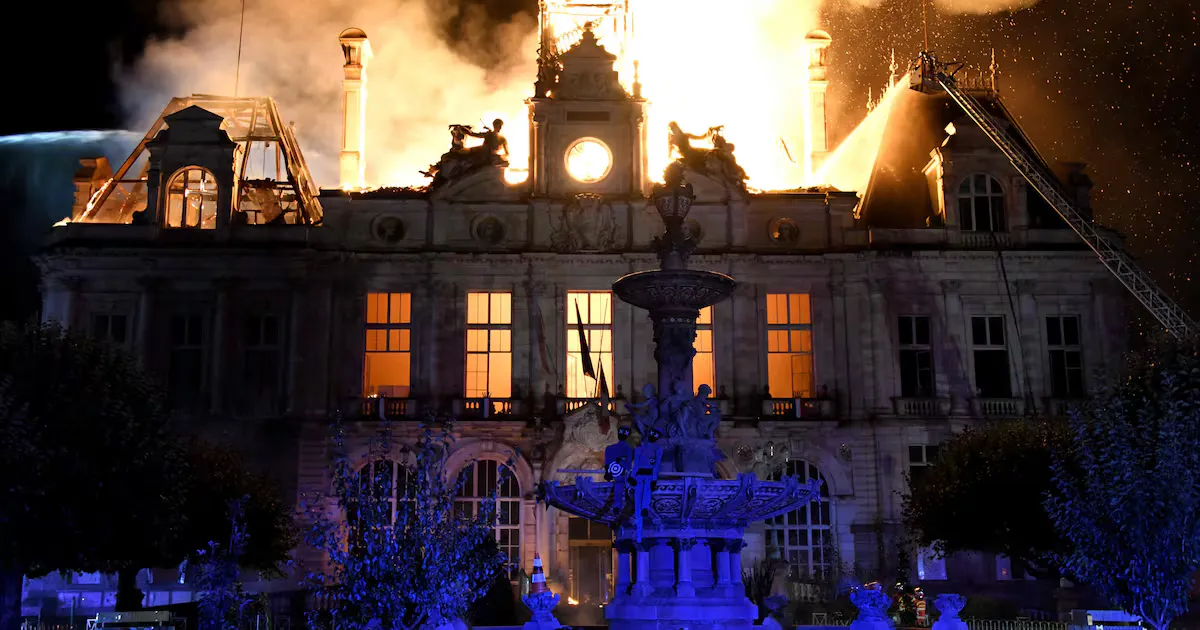 Photo: The National
Key points
Emmanuel Macron will address the French nation at 8pm on 18 October after protests over prices and public services left one demonstrator dead and more than 2,000 people arrested.
Emmanuel Macron will address the French nation at 8pm local time on 18 October, his office said, after protests over high prices and public services left one demonstrator dead, more than 600 officers injured and over 2,000 people arrested across France. The unrest, which began with peaceful marches on 17 October, escalated into riots that torched a historic town hall and ransacked shops in cities from Lille to Marseille.
The address matters because the violence has intensified pressure on Macron before a presidential election due next year, and because it follows a month-long student movement that broadened into a nationwide protest over rising living costs and declining public services. Prime Minister Sébastien Lecornu blamed the unrest on the "ultra-left" and criminals, while politicians on both left and right called for the resignation of Interior Minister Laurent Nuñez after the government appeared caught by surprise.
What the address will cover
Before speaking, Macron will meet Lecornu and the ministers handling the crisis. He had earlier reacted only through a terse statement on X, saying those who attacked prefectures, stores and city halls would be brought to justice. The address follows a day when nationwide demonstrations erupted into riots, with a town hall torched, shops ransacked and buildings covered in graffiti as violent groups clashed with police across the country.
Interior Minister Laurent Nuñez said more than 2,000 people had been taken into custody and more than 600 police officers, gendarmes and firefighters injured. Paris police recorded a record 855 arrests in the capital. One demonstrator died after suffering a cardiac arrest during demonstrations in Paris. The figures came as fresh clashes broke out in Paris on 18 October, with police firing tear gas at Place de la République.
Where the numbers came from
The marches themselves were largely peaceful: about 550,000 people participated nationwide, the interior minister said, while the CGT union said it estimated 800,000. Tens of thousands joined calm processions supporting schoolchildren's demands for more teachers and school repairs, attended by parents, teachers and grandparents. Separately, moving gatherings, sporadic burning and street barricades caught police off guard in Paris, Bordeaux, Nice and Marseille, before masked looters exploited the disorder.
In Limoges, a 143-year-old town hall was set on fire and largely destroyed. Mayor Guillaume Guérin said municipal police ran out of ammunition around 3.30pm, calling it "a colossal failure of the state". He said those who stormed the building told a caretaker he would be killed. In Marseille, masked groups stormed the city hall and a police station; Mayor Benoît Payan told BFMTV he had never expected to live through such events.
Traders' unions said more than 1,500 shops and businesses had been ransacked, with costs running into tens of millions of euros. Carrefour chief executive Alexandre Bompard told BFMTV that 50 of the company's shops were damaged, including 20 looted. Bordeaux mayor Thomas Cazenave reported up to 100 stores looted, while Paris mayor Emmanuel Grégoire announced an emergency unit for businesses, calling the damage "considerable and unprecedented".
The unrest drew international comment. U.S. President Donald Trump wrote on Truth Social that "France is burning!" and blamed migration, while Vice President JD Vance accused European leaders of ignoring questions of assimilation. On the French left, far-left leader Jean-Luc Mélenchon accused Lecornu of "playing with fire", insisting those who shared his cause had no business looting. Far-right leader Marine Le Pen said rioters had spoiled the 17 October demonstrations.
What happens next
Investigations are under way to identify perpetrators so they can be held accountable before the courts, Nuñez said. Economy Minister Roland Lescure pledged support for affected business owners, and Marseille announced emergency financial aid. The government hopes the student movement will fade with a two-week school holiday that began on 16 October, though Macron's address at 8pm on 18 October will set the political tone ahead of next year's election.
Frequently asked questions
When will Emmanuel Macron address the French nation?
Emmanuel Macron will address the French nation at 8pm local time on 18 October, his office said, after meeting Prime Minister Sébastien Lecornu and the ministers handling the crisis.
How many people were arrested during the France protests?
More than 2,000 people were taken into custody nationwide, Interior Minister Laurent Nuñez said, including a record 855 arrests in Paris. One demonstrator died of a cardiac arrest in the capital.
Why did the protests turn violent in France?
Peaceful marches over school conditions and the cost of living were joined by separate groups who clashed with police, while masked looters exploited the disorder to smash shopfronts and steal goods, police said.