Trump waives Russia sanctions as Republicans and Democrats object
President Trump issued an executive order late on 16 October suspending sanctions under the Lindsey Graham Act two days before they were to take effect, drawing criticism from both parties.
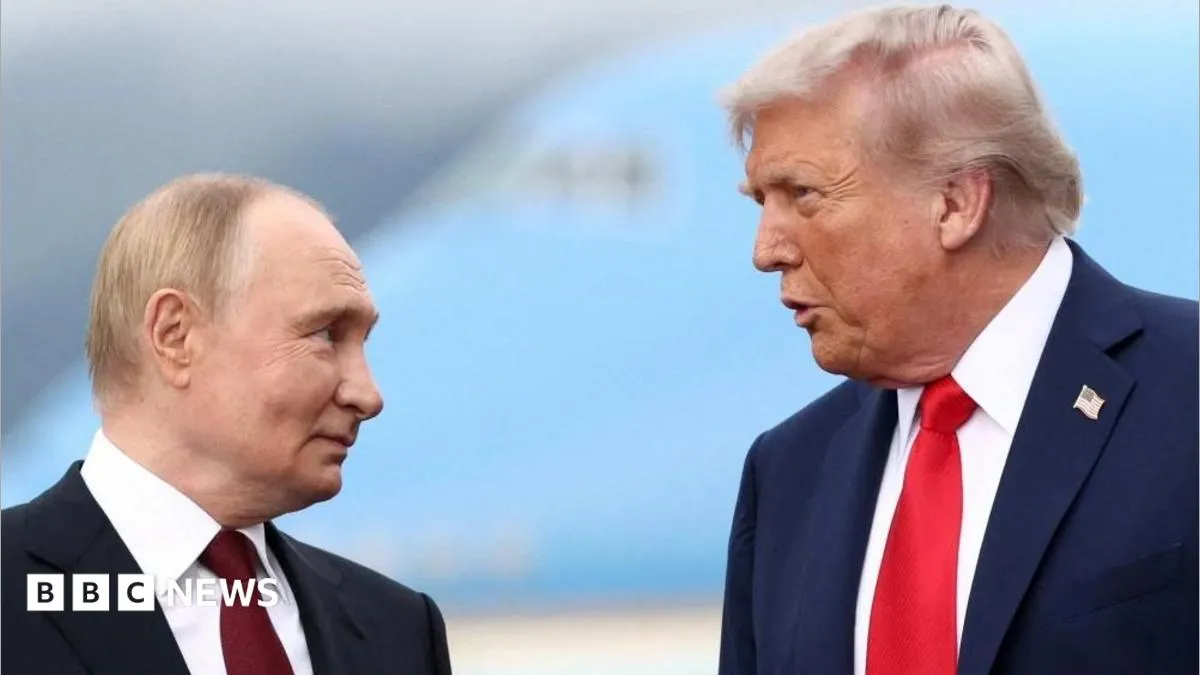 Photo: BBC News
Key points
Trump suspended Russia sanctions two days before they were due to take effect, drawing criticism from lawmakers in both parties.
President Donald Trump issued an executive order late on 16 October waiving sanctions on Russia under the Lindsey Graham Act, two days before they were due to take effect. The law had been passed by the US Congress in September and signed by Trump himself. The order suspending the measures came as a row with Ukrainian President Volodymyr Zelensky deepened.
The waiver matters because the Lindsey Graham Act gave Trump broad powers to levy tariffs of up to 100% on imports from the top five purchasers of Russian oil and gas, most significantly China and India. It also sanctioned senior Russian figures including Vladimir Putin, Russian financial institutions, and Moscow's so-called shadow fleet of vessels used to circumvent existing embargoes. Suspending it removes pressure on Russia's economy at a moment when Ukraine says it needs it most.
What the executive order suspends
Secretary of State Marco Rubio said on Saturday that the suspension would consist of a 60-day pause intended to analyse the impact on the global economy. Rubio said Trump wanted to use the 60 days to analyse what imposing both sanctions and tariffs will mean to the global economy and even to the US economy. The law had taken aim at Russia's economy by giving Trump those broad tariff powers.
Trump defended the decision. "It's a very good decision. And it's going to be a decision that's good for the country and I think good for the world," he told reporters on 17 October. The waiver came shortly after Trump cut a deal with Russia on diesel exports aimed at lowering high fuel prices ahead of the US midterm elections on 3 November, in which the cost of living is voters' dominant concern.
Republican lawmakers broke with their president. Senator Ted Cruz of Texas, a Trump ally, called waiving the sanctions a mistake, saying on Fox News: "I wish the president hadn't done it." He added there were other ways to address diesel prices and that the current path benefits Putin. Senator Thom Tillis of North Carolina called it beyond irresponsible, noting the legislation passed the Senate 86-11 with a large bipartisan majority.
Republican senators break ranks
At least eight Republican senators, along with several House counterparts, have spoken out against the diesel deal or the waiver. A bipartisan group of 12 senators sent Trump a letter earlier in the week urging him to rescind the deal and enforce the Graham law. Republican signatories included Tillis, Mitch McConnell, John Cornyn, Susan Collins, Alan Armstrong and Lisa Murkowski. They wrote that allowing Russian-origin diesel into global markets will offer limited to no relief to Americans.
Democrats also objected. Congressman Don Beyer of Virginia accused Trump of capitulating to Moscow, writing on X that the waiver betrays Ukrainian partners and defies clear congressional intent of legislation designed to punish Russia for its illegal war of aggression. Senator Jeanne Shaheen, the ranking Democrat on the Senate Foreign Relations Committee, joined six other senators on a letter opposing the decision, saying Congress explicitly banned Russian energy imports in 2022.
Zelensky said the sanctions could have helped enormously and that the law was supposed to impose truly effective pressure on Russia to bring the war to an end. He said it was unfortunate the US decided to completely disregard the Lindsey Graham Act. He pointed to Russian attacks on 15 Ukrainian energy facilities that caused power cuts in several regions, saying Russia is trying to cause a blackout in Ukraine right before winter.
Ukraine responds to the waiver
Russia welcomed the order. Russian envoy Kirill Dmitriev called it an important and truly historic moment, posting on X that the sanctions would have inflicted serious damage primarily on the US and global market. Zelensky told reporters he believed the Trump administration would lift more sanctions against Russia, and said negotiators from Ukraine spoke to their US counterparts on Friday, with both teams possibly meeting next week.
Congress is out of session through the midterm elections, so there is little prospect of immediate action to block the diesel deal. A group of Democrats and one Republican introduced legislation on 16 October to block Russian diesel imports, though passage would be difficult in the Republican-controlled Congress and could require overcoming a Trump veto. Representative Don Bacon, a retiring Nebraska Republican, co-sponsored the bill.
The dispute sits alongside other tensions. Ukraine has accused the Trump administration of withdrawing key military support, and Zelensky said Ukraine still cannot use its interceptor systems against Russian drone attacks because of speed restrictions imposed on Starlink. On Friday, Trump said he did not believe either the US government or Elon Musk was to blame for deliberately restricting Ukraine's Starlink access.
A trilateral meeting between Ukraine, the United States and Russia could take place during the G20 summit in Miami later this year, Zelensky said, adding there has been no confirmation yet from either Russia or the United States. The G20 summit is due to take place in December. Trump is also expected to visit South Carolina next week, where Darline Graham said she plans to speak with him.
Frequently asked questions
What did Trump waive?
Trump issued an executive order late on 16 October waiving sanctions under the Lindsey Graham Act two days before they were to take effect. Secretary of State Marco Rubio said the suspension is a 60-day pause to analyse the impact on the global economy.
Why are lawmakers from both parties objecting?
Republicans and Democrats say the waiver tramples on Congress's intent. The Lindsey Graham Act passed the Senate 86-11. Senator Ted Cruz called it a mistake, and Congressman Don Beyer said it betrays Ukrainian partners.
When could Congress act on the waiver?
Congress is out of session through the midterm elections on 3 November, so there is little prospect of immediate action. A group of lawmakers introduced legislation on 16 October to block Russian diesel imports, though passage would be difficult.