Macron vows full transparency after 2,400 arrested in French riots
French President Emmanuel Macron promised full transparency over the police response on 18 October, after about 2,400 arrests and roughly 1,000 officer injuries during nationwide protests and rioting.
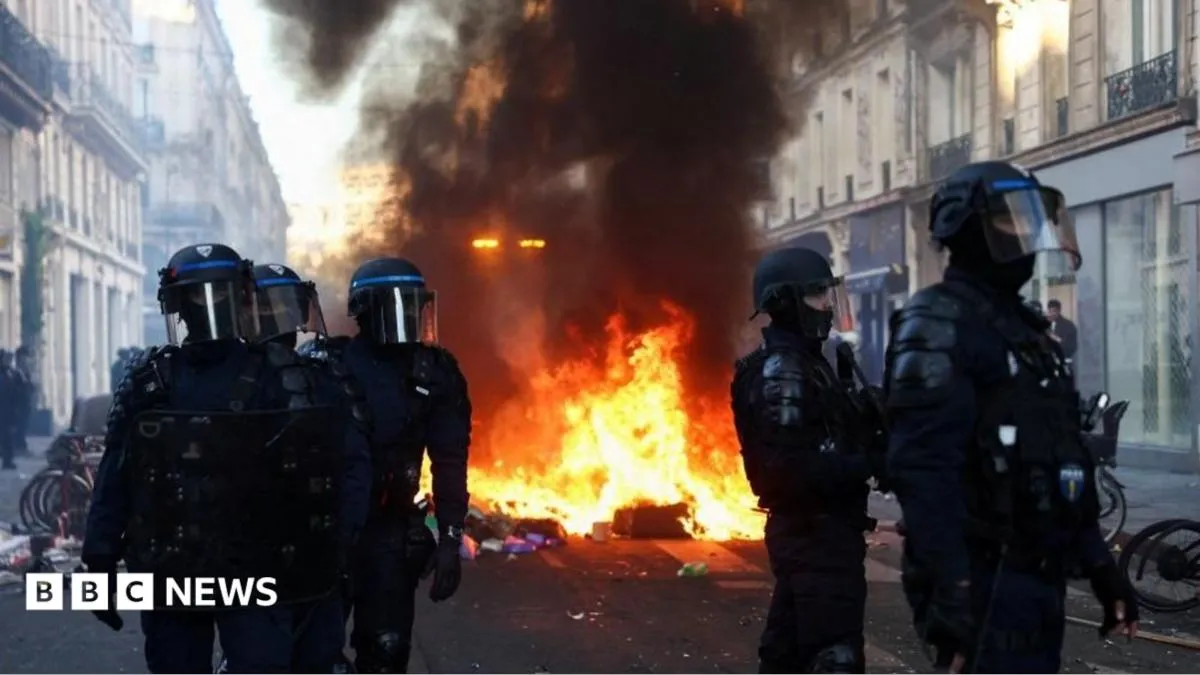 Photo: BBC News
Key points
Macron vowed full transparency over the police response after about 2,400 people were arrested and about 1,000 officers injured during nationwide French protests that turned to rioting.
French President Emmanuel Macron called for "calm and order" in a televised address from the Élysée Palace on 18 October, after a major day of protests turned to rioting and looting on Saturday and disorder continued in Paris on Sunday. Police have arrested about 2,400 people, according to France's interior ministry, and about 550,000 demonstrators took to the streets for largely peaceful protests against rising fuel prices, the cost of living and deteriorating public services including schools.
Macron's address matters because he promised "full transparency" over the police response to the demonstrations, a commitment made after tear gas and water cannon were turned on crowds over the weekend and riot police were seen hitting people with batons in several places. He drew a distinction between the "legitimate demands" of protesters and "those who destroyed, smashed and looted", and said local prefects and mayors would draft measures to protect shops and civic buildings.
What the address promised
Macron said "nothing justifies" the "unbridled" violence seen and said those involved would face justice. He said: "Those who looted will have to pay back for the damage, and those who sought to bring down the Republic will be held accountable." He also voiced public "anger and shame", adding: "We all feel anger and shame." He warned participants not to "escalate", and said "lessons will be learned" after the destructive violence erupted.
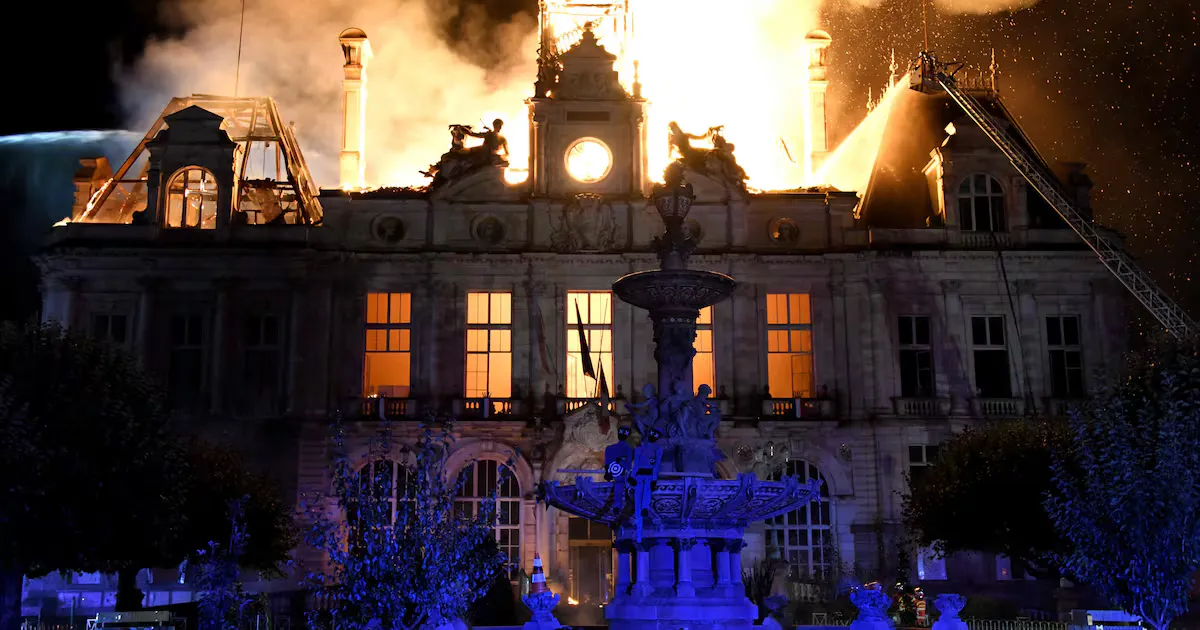
Groups of rioters, some dressed in black and wearing masks and balaclavas, came out in Paris, Marseille and other towns and cities, with some setting fire to cars and buildings. In Limoges, the ornate 19th-century city hall was gutted by a fire started by rioters on Saturday, its clock tower and roof collapsing. Local officials said the building was "largely lost". Widespread looting took place across Paris, Marseille and Lille, as well as other areas.
Authorities estimated Saturday's marches had a turnout of about 550,000, while organisers put it at 800,000. The arrest tally reported Sunday approached the nearly 2,000 recorded nationwide during a single day of yellow vest protests in December 2018. France's interior ministry said about 1,000 police officers were injured on Saturday, seven of them seriously. Paris police said 855 people were arrested in the capital region, and prosecutors said 557 remained in police custody.
Where the numbers came from
The mechanism the government describes is political as well as physical: student protests which began last month escalated significantly on Saturday after they were joined by trade union members and other anti-government groups. Interior Minister Laurent Nuñez said demonstrating was a fundamental right, but that "outrages" were committed by "several thousand far-left individuals" targeting public buildings, later joined by "delinquents who looted and ransacked numerous businesses". Macron accused "troublemakers from far-left splinter groups, joined by numerous delinquents" of engaging in "unbridled violence".
Paris police said one person died of a heart attack, without providing details, and the Paris prosecutor's office said it was investigating. On Sunday, looting and clashes with police continued on a smaller scale in parts of the capital and Lyon, with tear gas and stun grenades fired at hundreds of people in Paris, according to the AFP news agency. Shopkeepers were seen early on Sunday morning picking up large shards of glass as rubbish trucks cleared debris.
Political leaders traded accusations ahead of the presidential election. Prime Minister Sébastien Lecornu accused the "ultra-left" of fomenting violence, alleging France Unbowed and its candidate Jean-Luc Mélenchon played an "important role" in a far-left network. Mélenchon called the government "solely responsible" and said Macron was "letting the situation deteriorate". Marine Le Pen condemned the "exploitation" of anger by political forces encouraging violence, while far-right hopeful Jordan Bardella called Macron's speech "lamentable" and "cowardly".
Blame traded ahead of election
The government has been accused of mismanaging and underestimating the protests, with calls for Interior Minister Laurent Nuñez to resign emerging both on the left and the far right. Macron said he was awaiting "clear answers" on why the protests turned violent, and pledged a "crisis unit" to provide urgent aid. He said he had instructed prefects to work with mayors to protect public buildings and businesses in the coming weeks, including by banning protests when necessary.
The response pointed to France's deep political divisions as the country prepares for an election in April which could see the hard-right pitted against the hard-left. With six months to go before next year's presidential election, the events of Saturday quickly took on a political dimension. Macron said local prefects and mayors would draft measures to protect shops and civic buildings, and promised "full transparency" over the police response to the demonstrations.
Frequently asked questions
How many people were arrested in the French riots?
France's interior ministry reported about 2,400 arrests nationwide. Paris police said 855 people were arrested in the capital region, with 557 remaining in police custody.
What did Macron promise in his address?
Macron promised "full transparency" over the police response, said those who looted would pay for the damage, and pledged a crisis unit to provide urgent aid to those affected.
Why did the protests turn violent?
Interior Minister Laurent Nuñez blamed "several thousand far-left individuals" targeting public buildings, later joined by "delinquents" who looted businesses. Macron awaited "clear answers" on why protests turned violent.